Commercial Roofing in Elgin-Victor Industrial Park, Elgin, IL
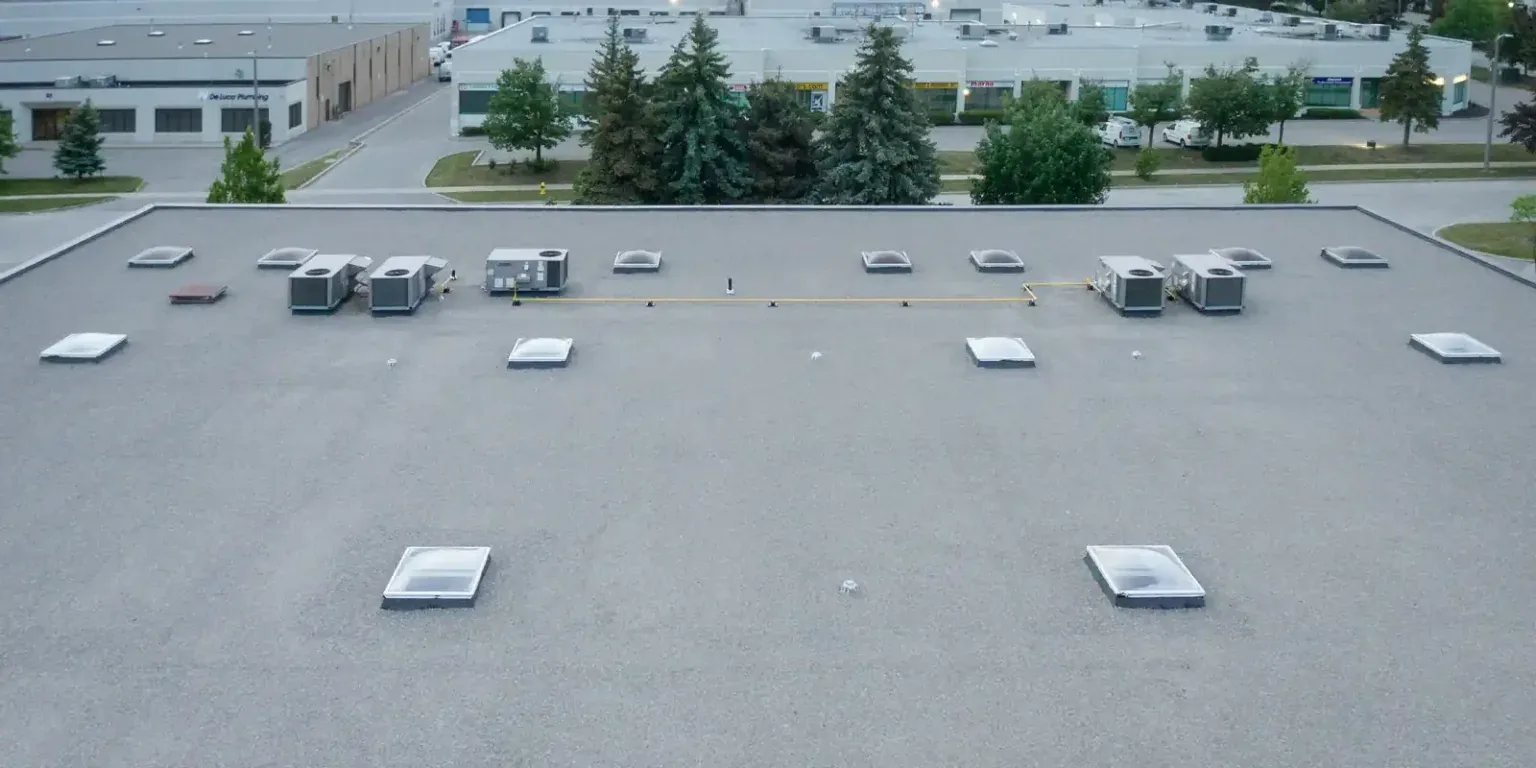
Request a roof visit in Elgin-Victor Industrial Park
Share the property, reported area, roof access contact, and operating schedule. We will confirm the first inspection window and approval point.
Elgin-Victor Industrial Park
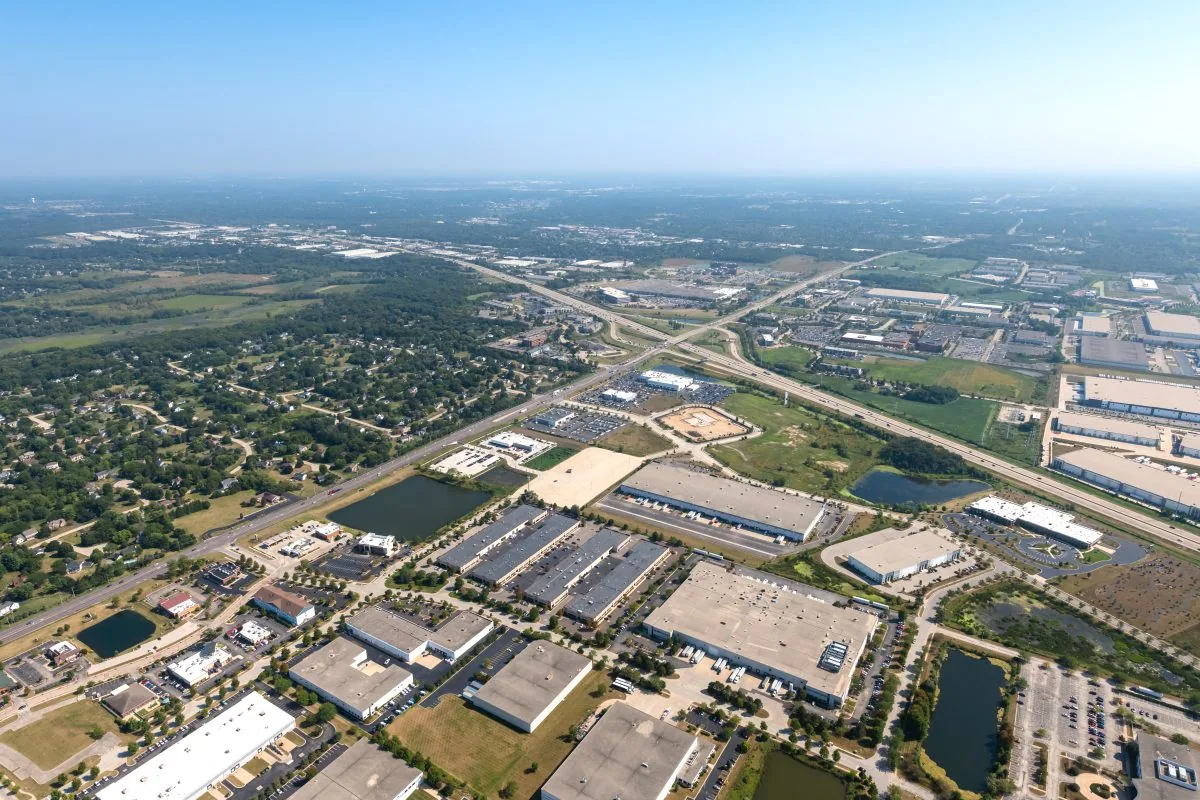
A roof concern at Elgin-Victor Industrial Park begins with the specific building and the person responsible for access. This 97-acre Elgin business area carries GI/PGI categories for office, research, industrial, and planned-business uses. That land-use designation does not tell us the occupant, roof type, or condition. We identify the reported area, operating impact, and inspection route, then give the owner a field-based next step.
Elgin winters make safe entry a dispatch decision. Elgin-Victor Industrial Park dispatch checks current roof access; the city averages 29 inches of snowfall and 137.9 days below freezing. A thaw can expose drainage problems or test a seam; snow and ice can prevent a complete roof walk. The crew records accessible zones and defers unsafe areas. The next update explains when a return can answer the remaining inspection question.
If the property has multiple work orders, we identify which concern is active and which can be scheduled. An open leak, a loose edge, a maintenance note, and a replacement review each call for a different response. We keep those actions separate in the inspection record so the owner can set priority and authorization clearly.
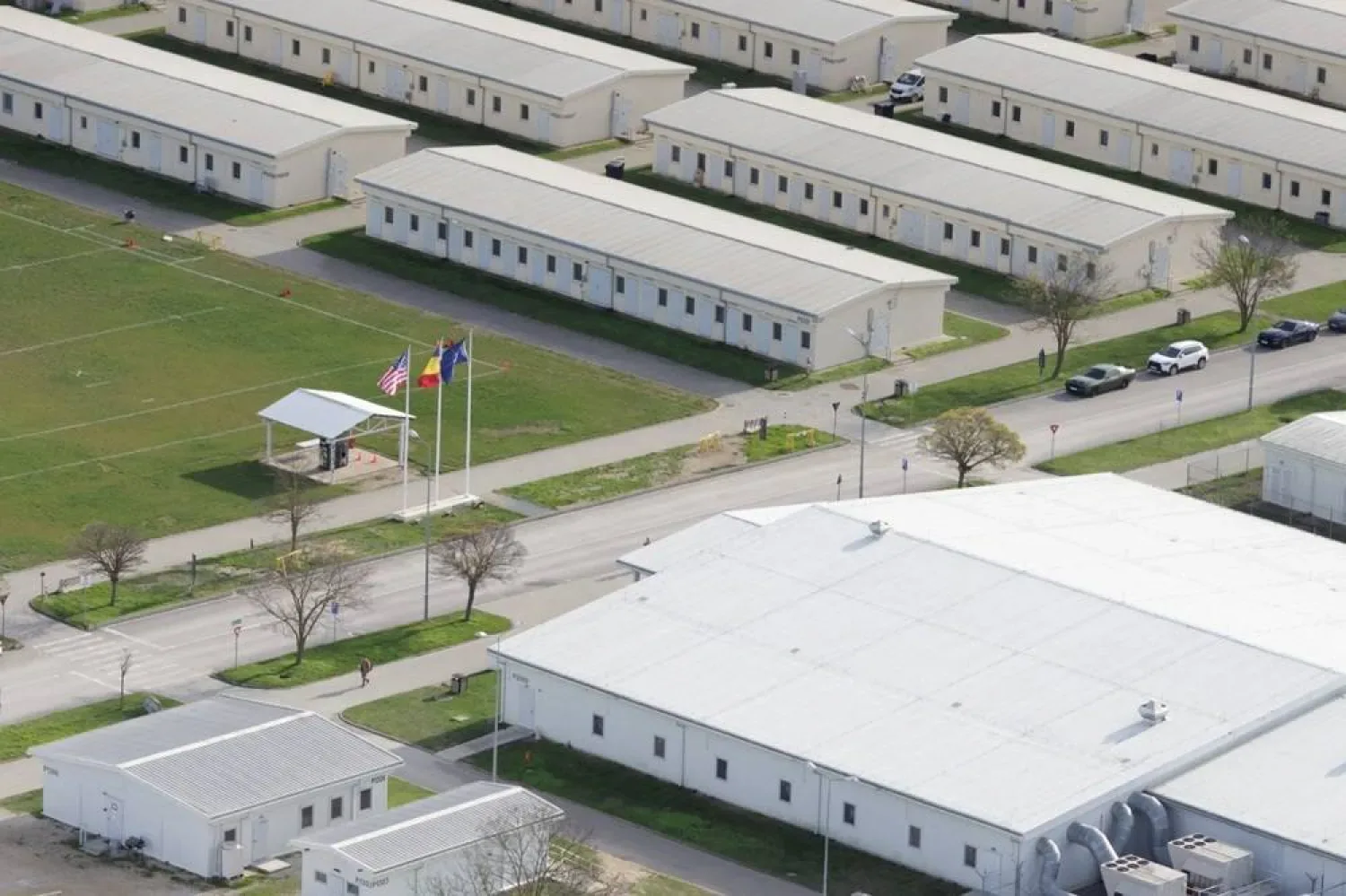
Triage: identify what cannot wait
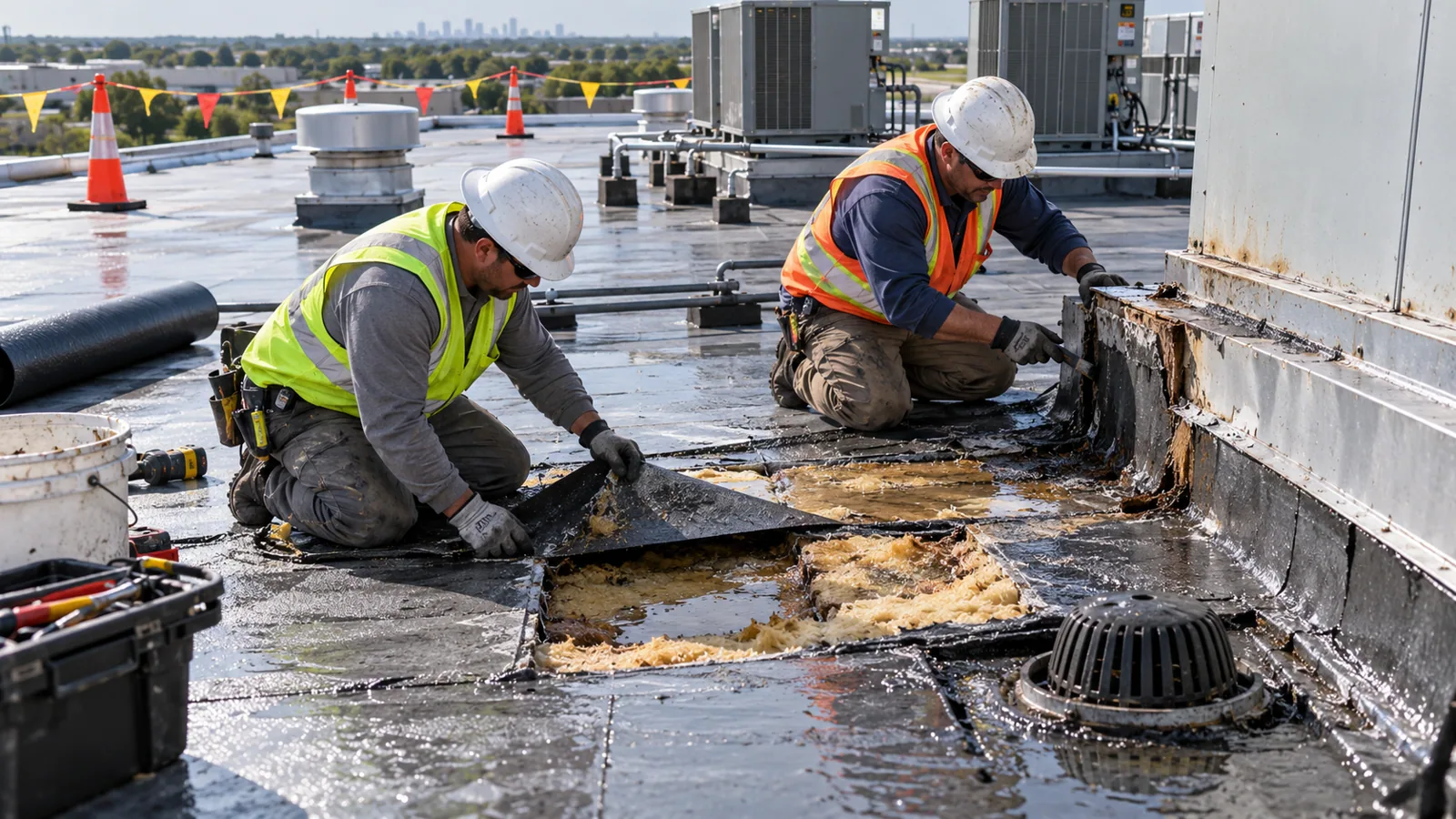
For active water, the dispatcher asks what room is affected, whether contents or equipment are exposed, and who can open the roof. The site contact may need to protect the interior before a permanent repair starts. The crew then checks the roof area above and around the report. Water does not always appear below the point where it entered, so we trace seams, curbs, penetrations, wall transitions, and drainage routes.
We inspect what can be reached safely. The inspection note records the surface or membrane where visible, joint condition, flashing, drains, edge metal, roof equipment, and prior repairs. Photos include a useful orientation view and a close detail. If an obstruction, unsafe surface, or weather condition prevents access, it is listed as a limit. We do not mark the entire roof clear based on a partial path.
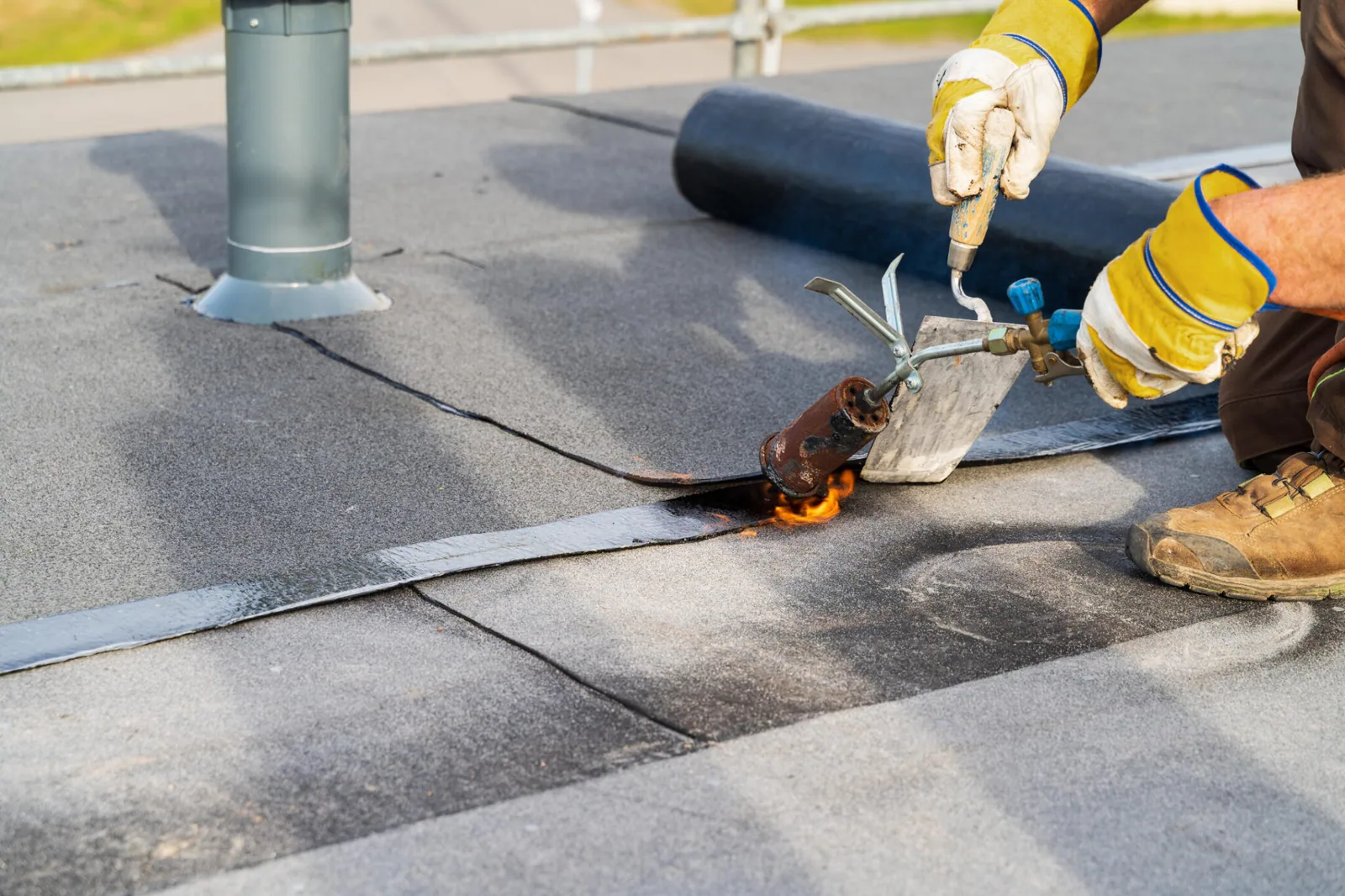
A leak repair should identify the probable source, preparation, compatible material, and repair perimeter. If the surface is wet or unstable, a lasting patch may need to wait for a test or broader investigation. The owner receives the reason and the proposed next action. Temporary protection is labeled with a return date or follow-up requirement, not presented as a completed repair.
When an owner is not responding to active water but planning next season's work, the visit can focus on system condition and cost drivers. We inspect seams, edge details, penetrations, drainage, insulation clues, and prior failures. The report distinguishes maintenance from repair and replacement considerations. A leak investigation handles a reported interior path; a broader inspection maps conditions beyond one active symptom.
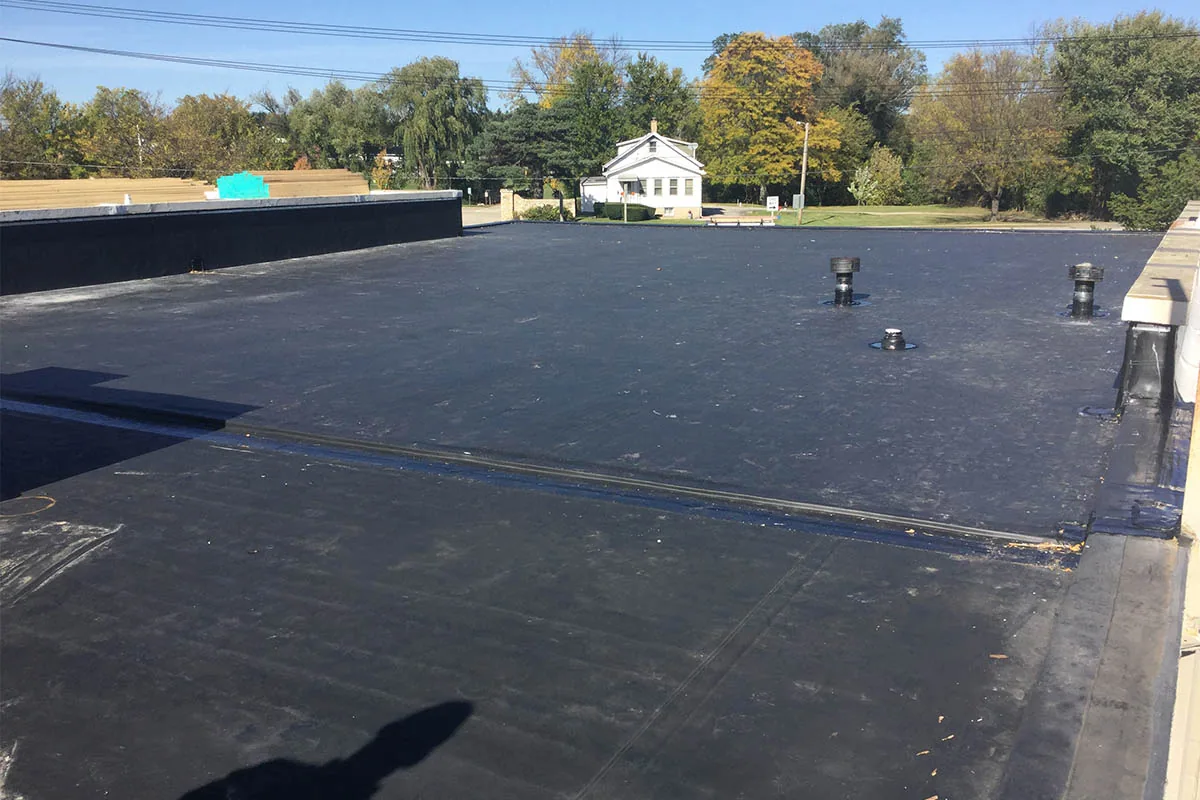
Access coordination: match the visit to the operation
Before a crew arrives, the site contact confirms entry procedures, escort rules, roof keys, delivery route, staging, lift needs, and hours when work can proceed. We ask whether a production or research activity limits access to any room or roof zone. These details can change how the inspection is sequenced. If an area remains unavailable, the report identifies it for a follow-up rather than assuming access will resolve itself.
Where a repair requires opening the roof, the supervisor plans how the area will be secured before leaving. The work sequence can include surface preparation, material installation, flashing tie-in, and a closeout check. If the weather window closes, temporary dry-in and interior protection may take priority. The daily update states work completed, open conditions, and when the crew expects to return.
July 2023 brought an EF1 tornado through Elgin, with roof damage on its route. Any Elgin-Victor review still examines the present building, not a weather date. We check for displaced metal, loose edges, torn flashings, punctures, open seams, and equipment movement. The written record identifies evidence and limits. It does not assign cause or insurance outcome solely from the event.
Summer conditions need planning too. Elgin normals include days above 90 degrees. The superintendent checks actual surface temperatures and manufacturer instructions for membrane, coating, and adhesive work. A hot roof or a sudden storm can change material handling and safe work periods. The site contact receives an update if that affects the planned sequence.
System decision: confirm before recommending
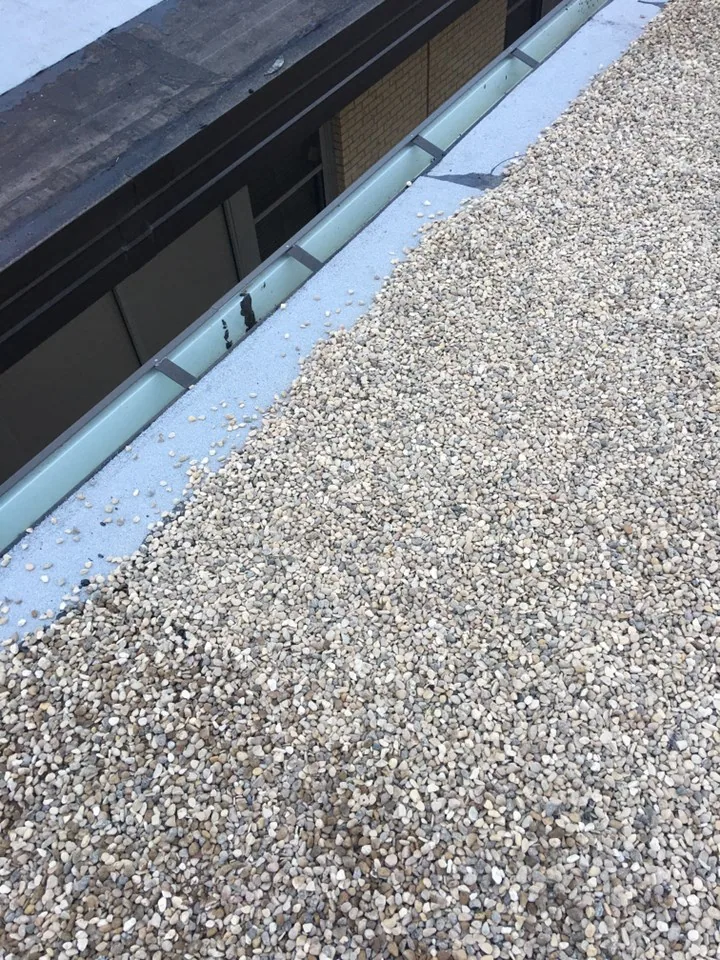
Commercial roof repairs depend on the actual assembly. TPO, PVC, EPDM, KEE, modified bitumen, built-up, metal, and coating systems each have different seams and restoration limits. We identify the visible material and look for prior overlays, patches, and transitions. If the layers are concealed, we note that uncertainty. A test opening may confirm what a proposal needs to address before selecting a lasting repair for that roof zone as needed.
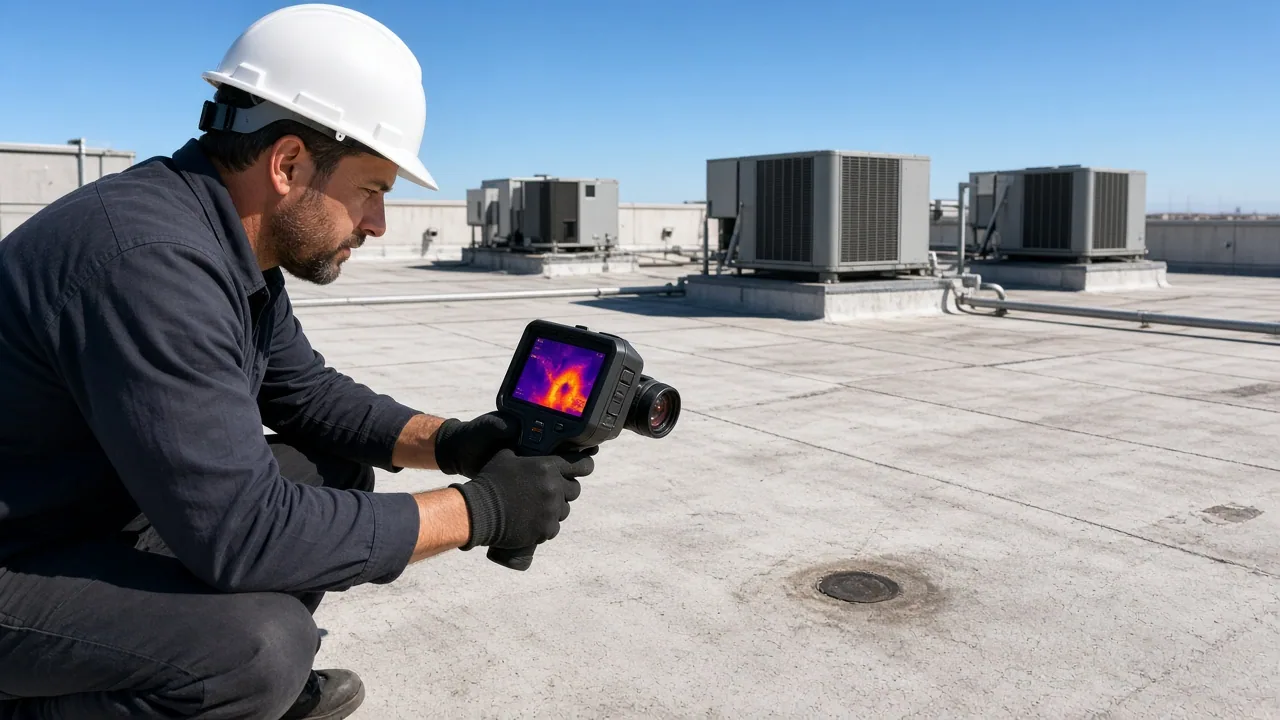
Moisture beneath a membrane can affect both repair and recover options. A survey may identify areas for closer review, but the inspection should explain how the result affects the decision. If wet insulation extends beyond the first suspected zone, the repair boundary may need owner approval to expand. If a deck or attachment concern is visible, a separate evaluation may be warranted.
Owners need to know which roof areas fit the current work window and which belong in a larger project. We map repair limits, note adjacent conditions, and state whether temporary protection remains after the crew leaves. If the same area has prior patches, the inspection record helps determine whether the new call reflects another failure or a broader assembly concern.
The design review pairs Elgin’s locally amended 2021 IBC with Illinois’s current commercial energy rules. Which provisions apply depends on the building and permit scope. A PVC roof and modified bitumen need different repair materials and tie-ins. For a replacement, a metal retrofit also requires review of attachment, edge transitions, and existing roof layers.
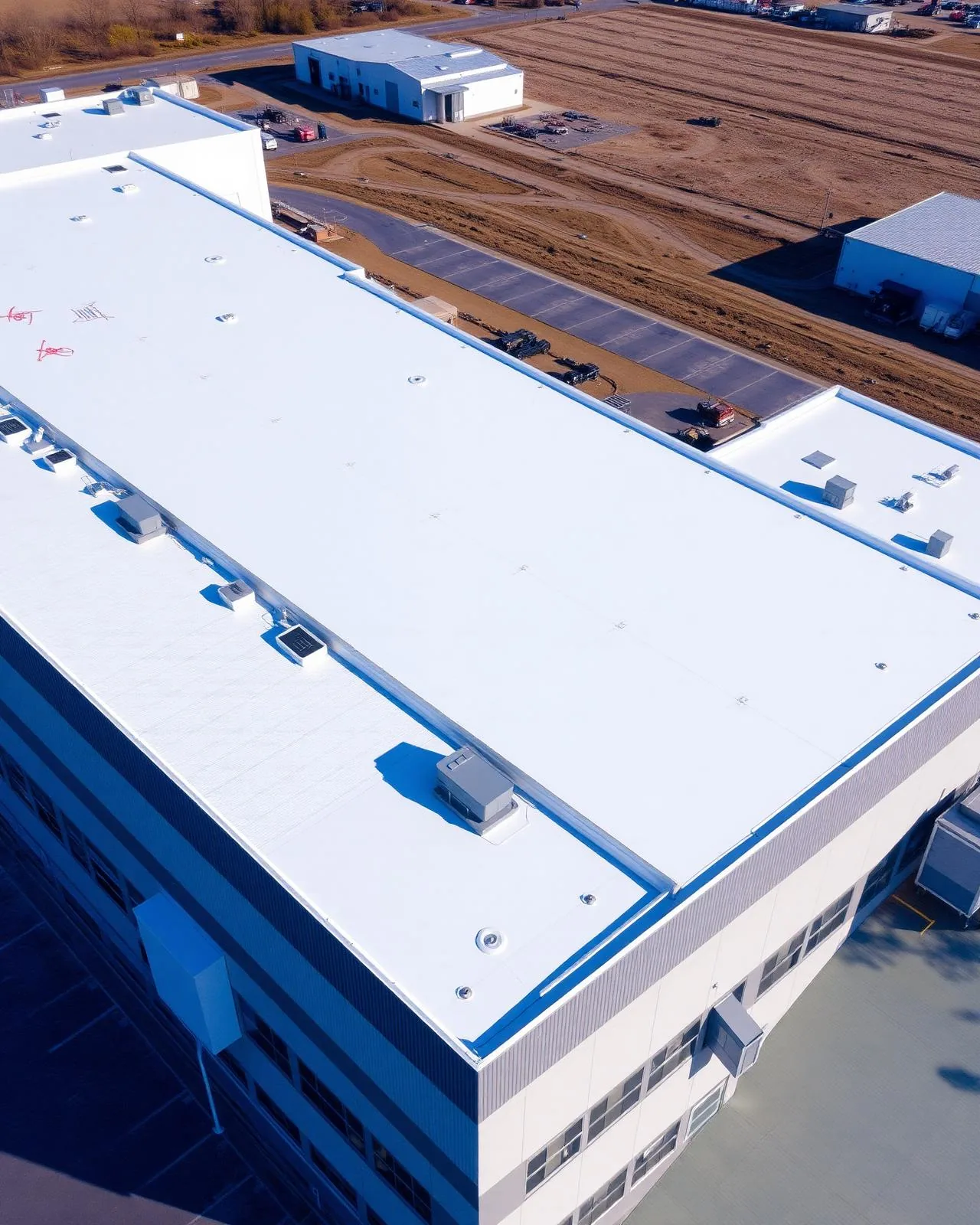
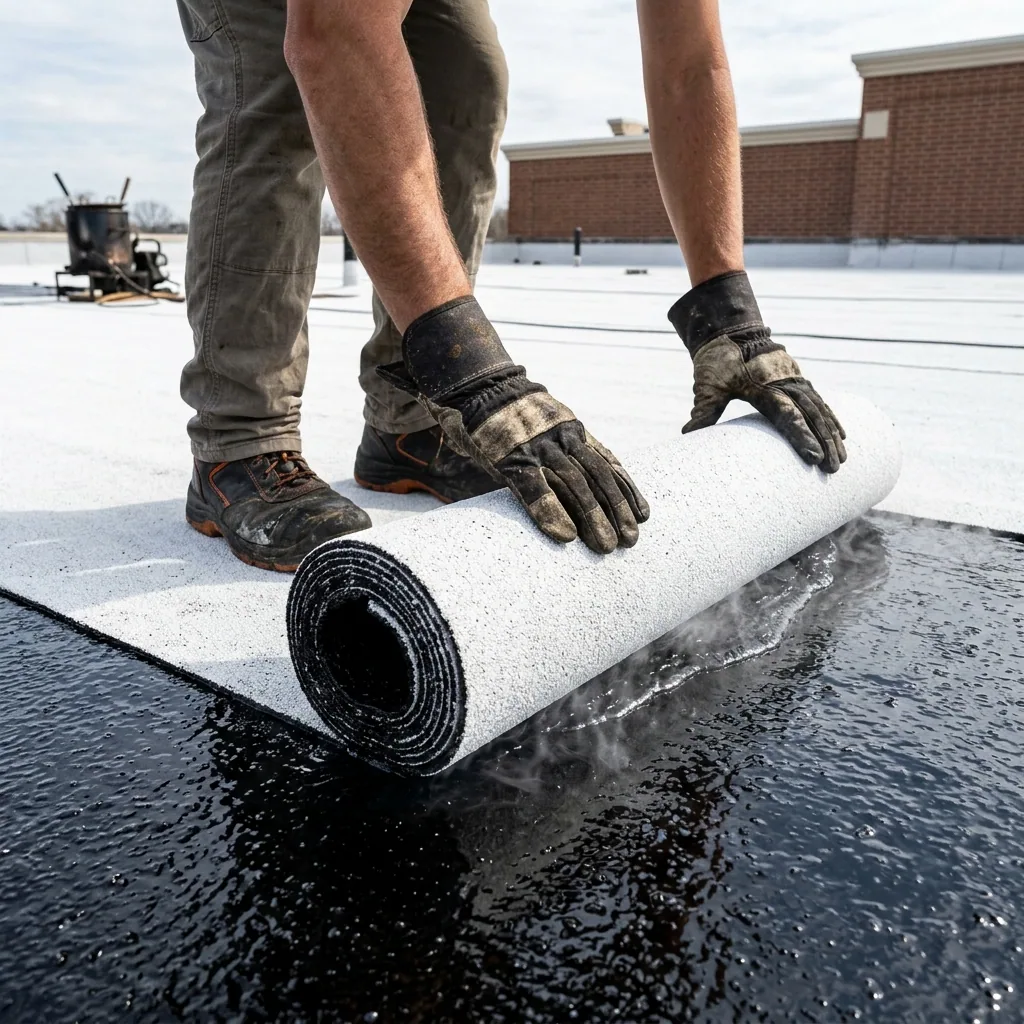
A complete replacement scope lists tear-off, disposal, deck work, insulation, cover board, membrane, curbs, flashing, edge metal, drains, access equipment, and occupied-area protection. It separates verified items from allowances. If concealed layers alter cost or timing, the estimate identifies the trigger and the owner’s written authorization step. Phasing identifies open-roof limits and daily dry-in requirements.
Maintenance: preserve evidence between visits
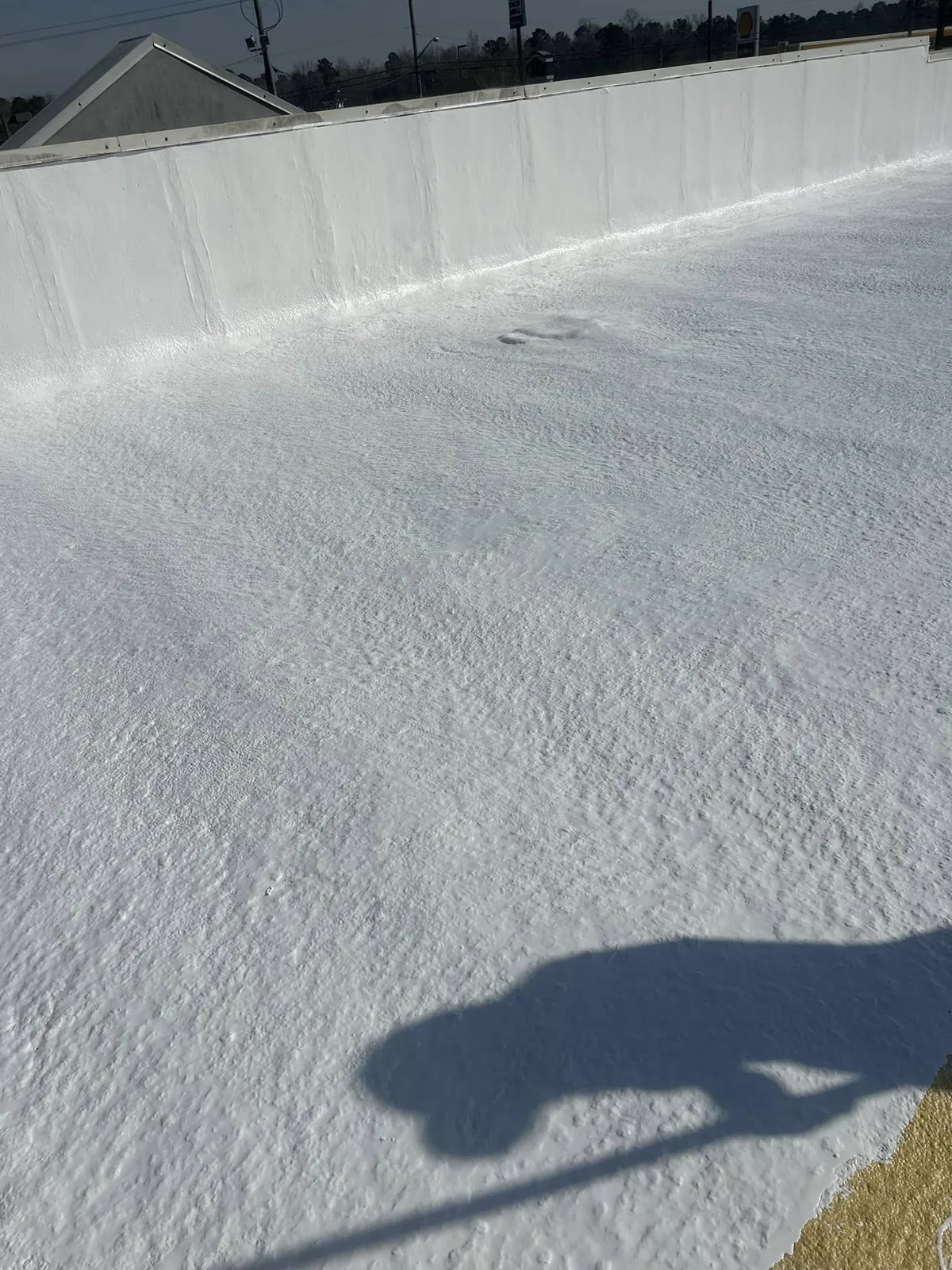
Closeout should identify the date, roof zone, condition, repair material, and completed limits. The owner should also know whether a follow-up is routine, tied to an open repair, or awaiting a test result. Photos show the original detail and finished work. Any temporary protection or remaining test is listed separately. This gives the property manager an accurate starting point for the next call and avoids a repeated dispatch for a corrected area. A clear repair record can also help distinguish a recurring issue from a new failure nearby.
Maintenance visits can inspect drains, scuppers, seams, penetrations, flashing, curbs, edges, and prior repairs. We record accessible areas and new observations. A preventive service schedule can keep routine checks on calendar. A condition report can group findings by priority, while a capital plan can stage replacement discussions around verified need.
North Elgin Industrial Park and Tollgate Industrial Center are separate Elgin business areas. Scheduling may combine visits when access and operations allow. The records stay distinct because roofs, construction, and current conditions must be verified independently.
Call with the building, report, access contact, and operating limits. For an active leak, identify the interior area and what it affects. We will confirm roof entry, the dispatch window, and the next action the owner needs to approve.
Questions About Elgin-Victor Industrial Park
What does the park's 97 acres tell you about my roof?
It describes the business area, not a particular building. We verify the property, roof assembly, and issue before recommending work.
What happens if the roof is not safe to enter?
The crew records the limitation, protects exposed work, and recommends a return when access conditions improve.
Can you separate urgent repair from planned replacement?
Yes. The report identifies active water, defined defects, testing needs, and broader system concerns as separate decisions.
Will a weather report prove tornado damage?
No. We inspect current conditions at the building and document what is visible, accessible, and still uncertain.
How should an owner compare two repair proposals?
Check that both identify the same roof zone, material, preparation, perimeter, access, closeout, and concealed-condition process.