Commercial Roofing in Fox Bluff Corporate Center, Elgin, IL
Request a Fox Bluff roof review
Provide the building, reported roof zone, access contact, and operating limits. We will confirm a dispatch window and document the next approval point.
Fox Bluff Corporate Center
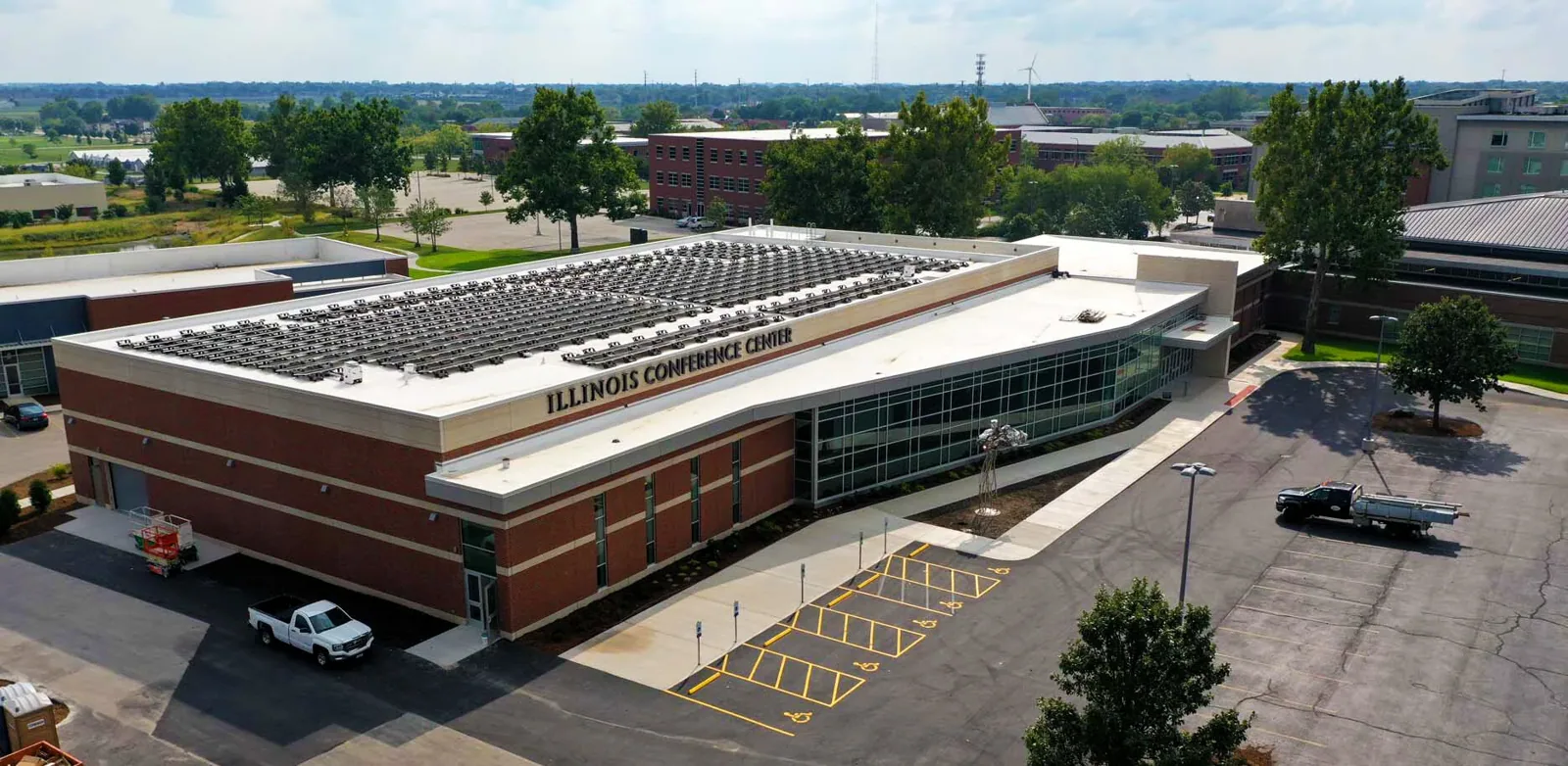
Fox Bluff Corporate Center needs a roof decision tied to the individual building and its operating schedule. The Elgin business area covers 155 acres and carries GI/ORI zoning categories. The designation does not establish a building’s current use or roof assembly. We confirm the roof contact, reported condition, access route, and priority before setting the inspection sequence.
Elgin's winter climate includes snowfall and many freezing days. A freeze followed by a thaw can change a drainage observation or expose a weak transition. Snow cover may hide drains and penetrations. Ice can prevent a safe walk. We record the conditions that limit access and schedule a return for any roof area that could not be checked.
For corporate property teams, each photo and recommendation needs a roof zone and next decision. We distinguish active water, maintenance, testing, and capital work. That gives an asset manager a clear path from inspection note to approval without treating every finding as an emergency.
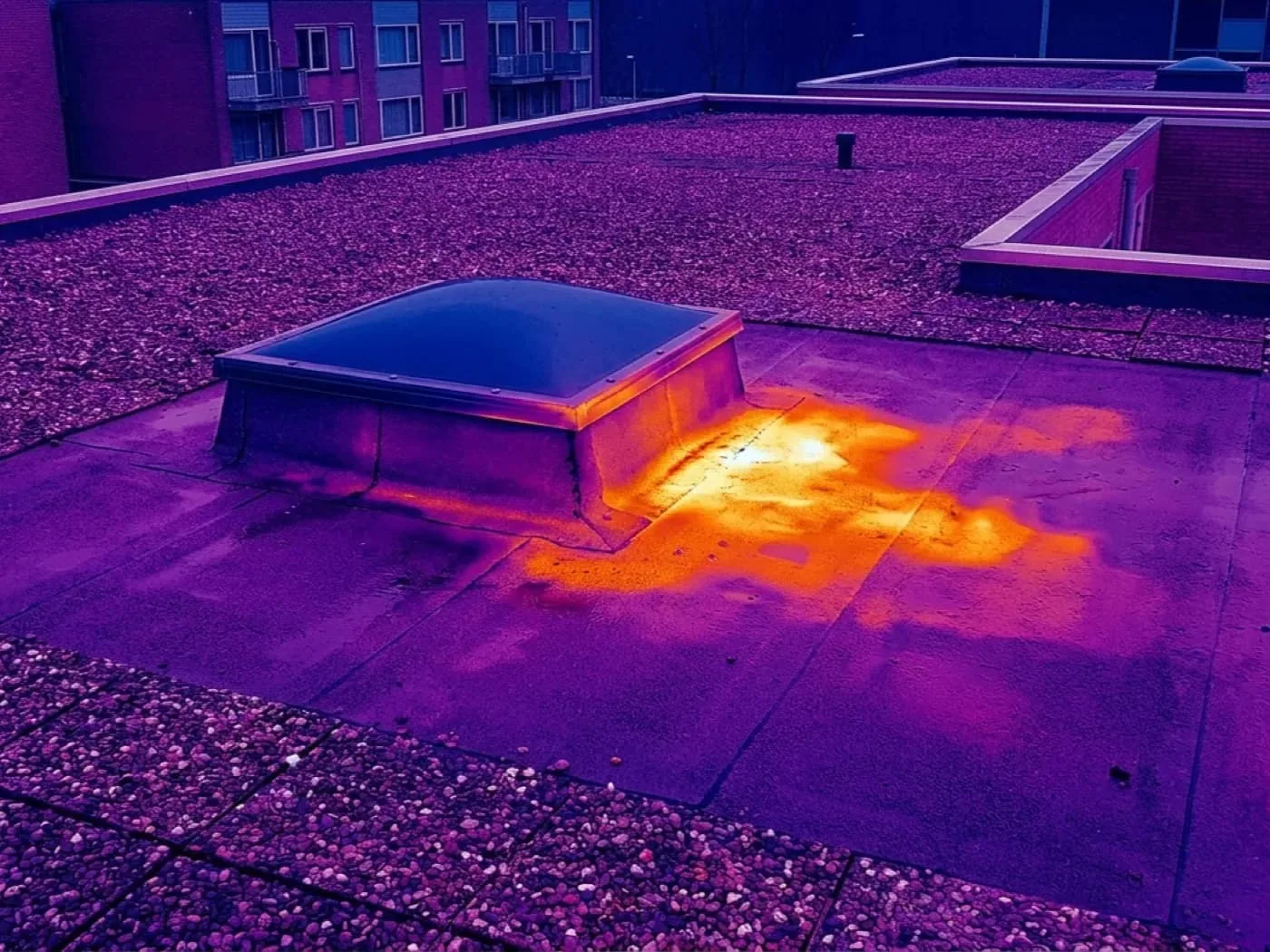
Portfolio review: sort findings by action
The site contact describes what prompted the visit: active leak, repeated call, annual review, planned tenant change, or a capital budget question. We identify which rooms or operations may be affected and confirm who can authorize roof access. If the building has a maintenance log, plans, or prior repair documents, they can help identify areas to compare. The crew still verifies current conditions in the field.
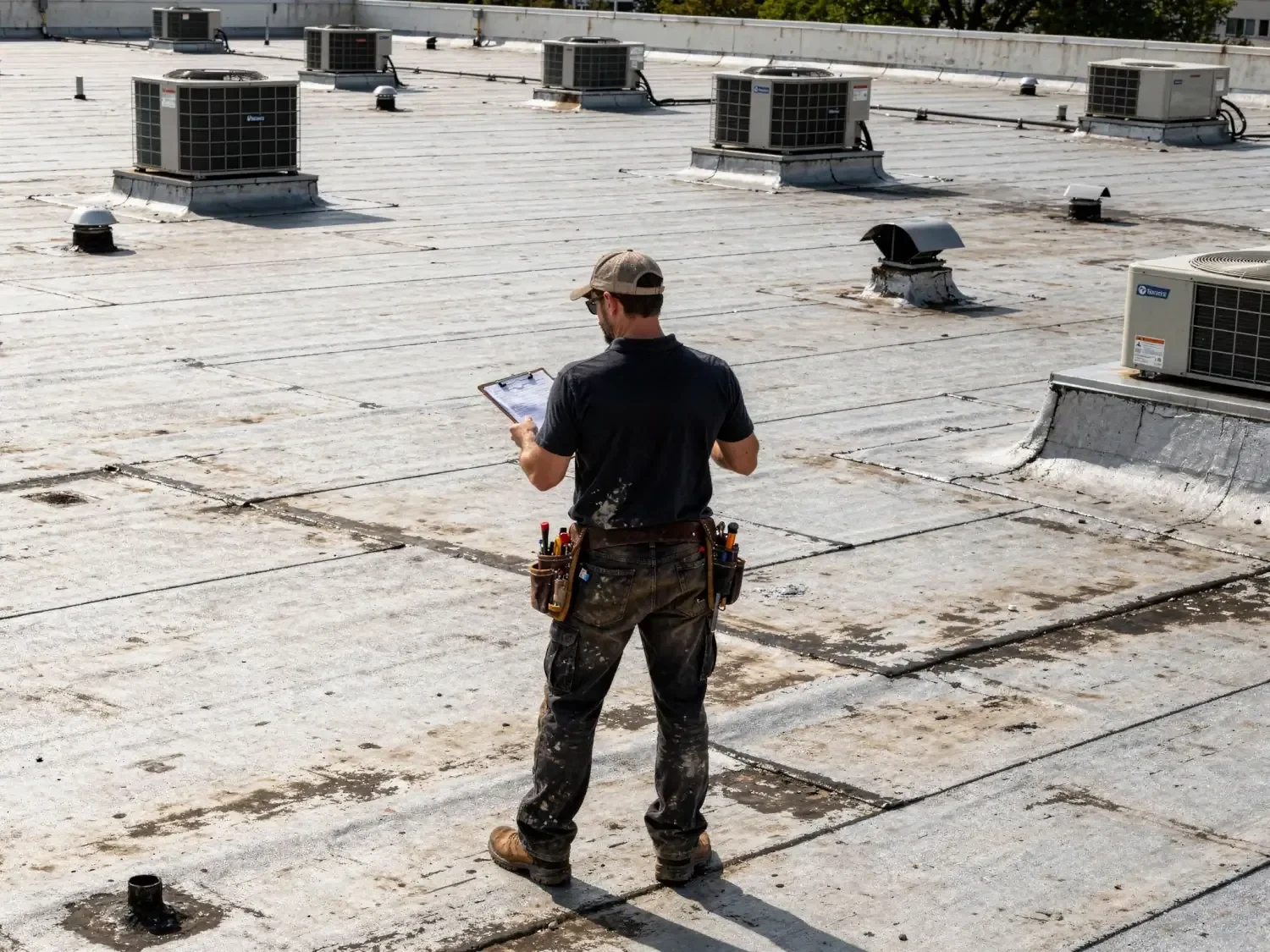
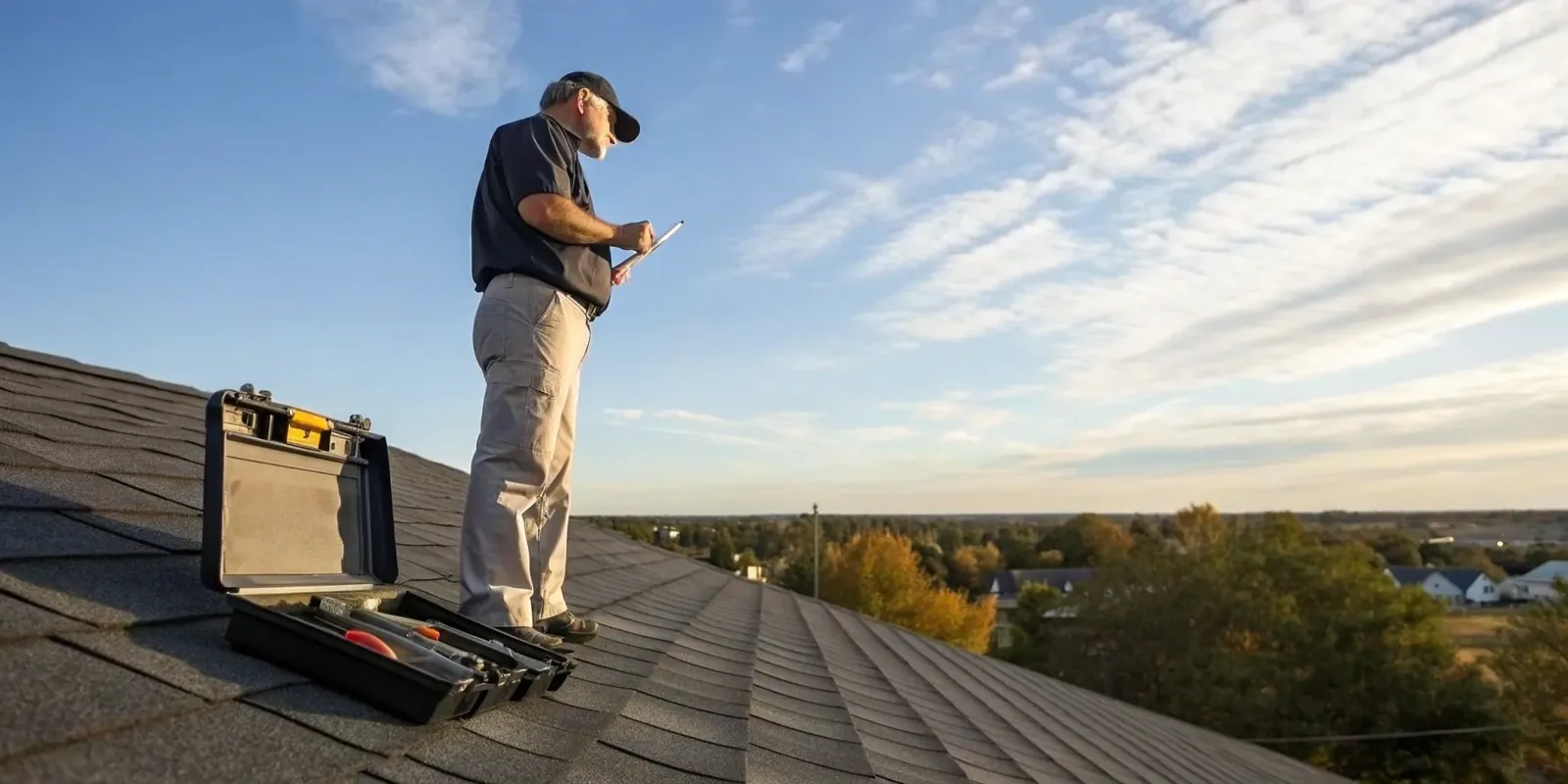
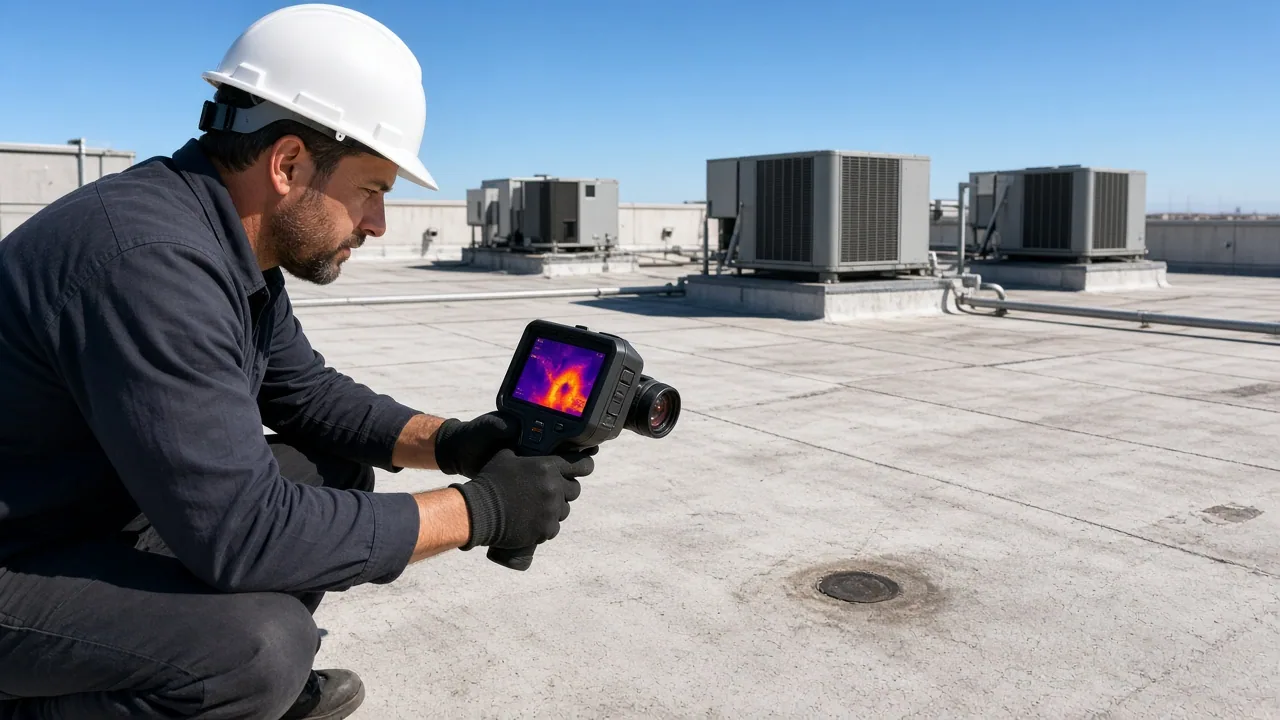
A systematic walk checks the surface, seams, laps, wall transitions, edges, drains, curbs, penetrations, and patch history. Photos show the detail and surrounding field. We mark zones that were accessible and note any area blocked by equipment or weather. If a roof assembly cannot be identified, we state what evidence is missing rather than assigning a system by appearance alone.
One recommendation may be to correct a loose flashing. Another may be to monitor a surface change, clean a drain, or test for concealed moisture. We assign each item a priority and explain the reason. If widespread wet insulation or repeated failures appear, the owner may compare repair cost and replacement planning. The report names the evidence that supports that shift.
A roof asset record can track date, location, condition, repair history, and next action. A capital plan can arrange confirmed work by urgency and budget window. If the center has multiple buildings under the same ownership, multi-site planning can coordinate visit dates without mixing roof conditions.
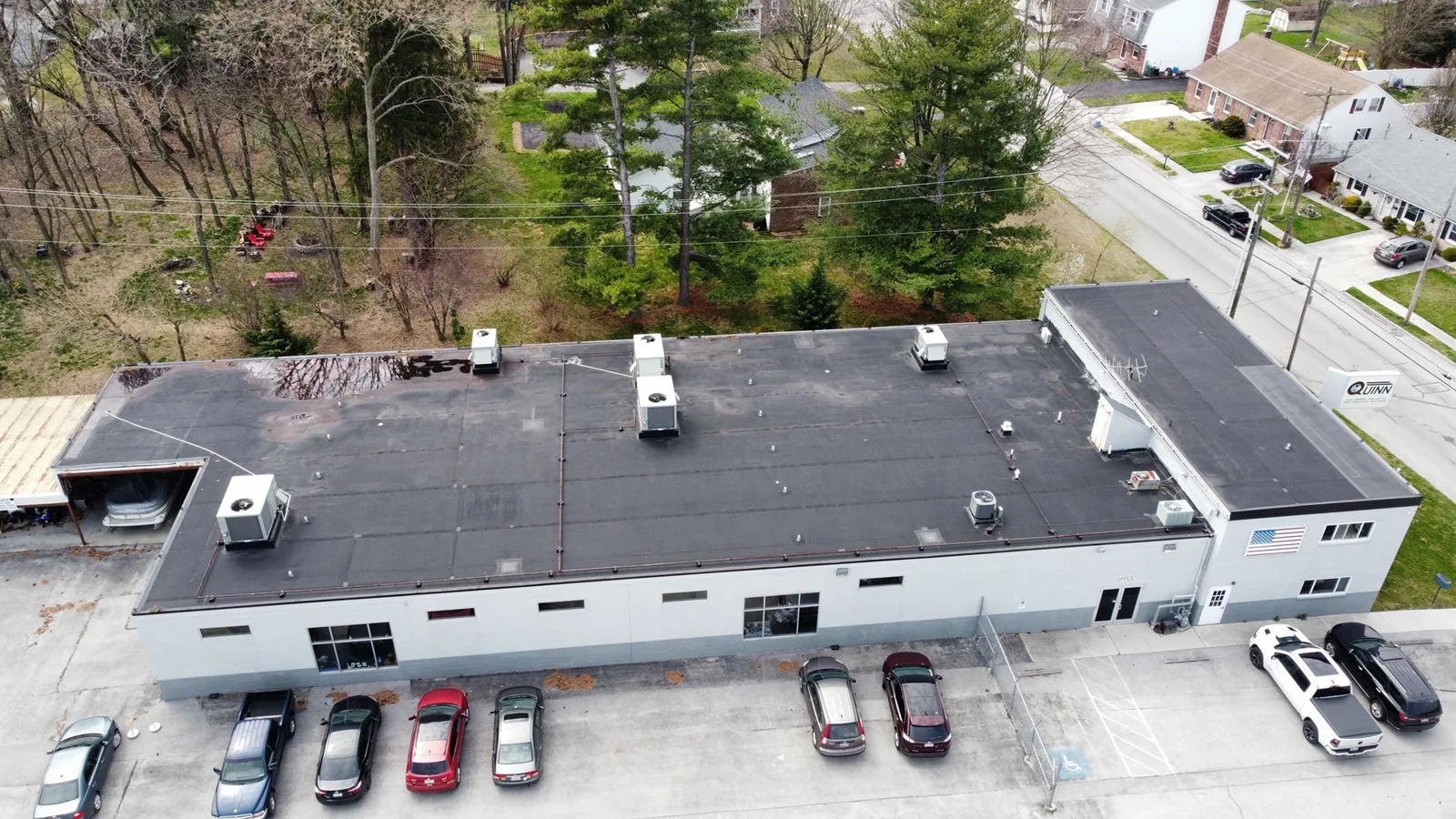
Weather watch: schedule a safe inspection
After a thaw, we look for water marks, blocked outlets, standing water, loose seam edges, and changes around penetrations. The observation is tied to the date and location. A single puddle does not establish a structural issue or a failed slope. If the owner is evaluating drainage design, plans and measurements may be needed. We separate cleaning or repair work from an engineering question.
An EF1 tornado tracked through Elgin in July 2023; roof damage occurred along the route. A Fox Bluff inspection checks the specific building's current details. If an owner requests a review at Fox Bluff after severe weather, we inspect the building for current evidence. We check metal edges, flashing, seams, punctures, impact marks, and rooftop equipment supports. The report records what is present now and what still needs confirmation. A regional event is context, not proof of a property loss.
Warm conditions affect installation as well. Elgin records days above 90 degrees. The supervisor checks the roof surface, air conditions, and material instructions before staging an adhesive, coating, or membrane. The work window can shift to protect installation quality. The property contact receives the revised sequence and any schedule impact.
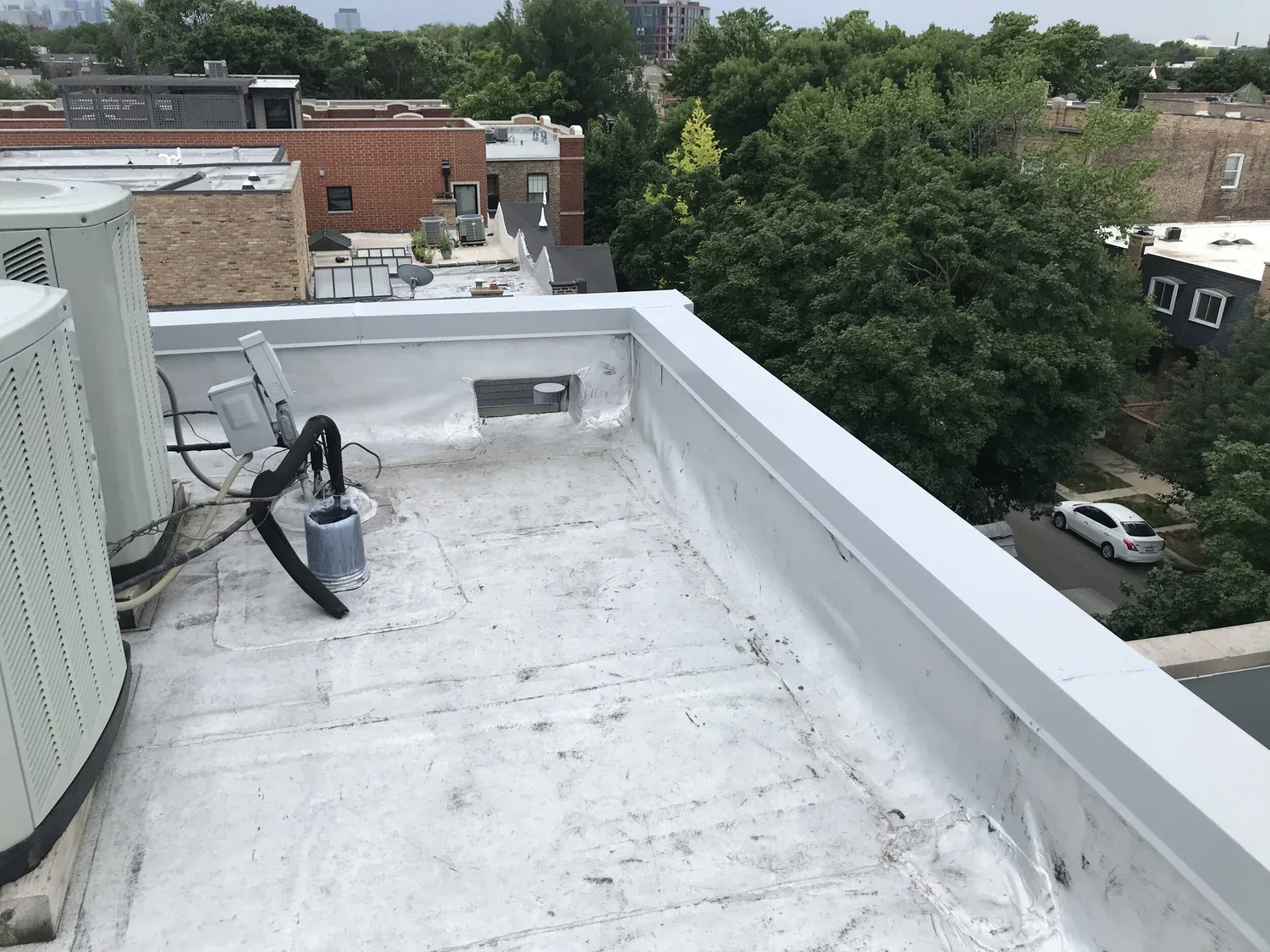
Repair control: close the defect, track the open item
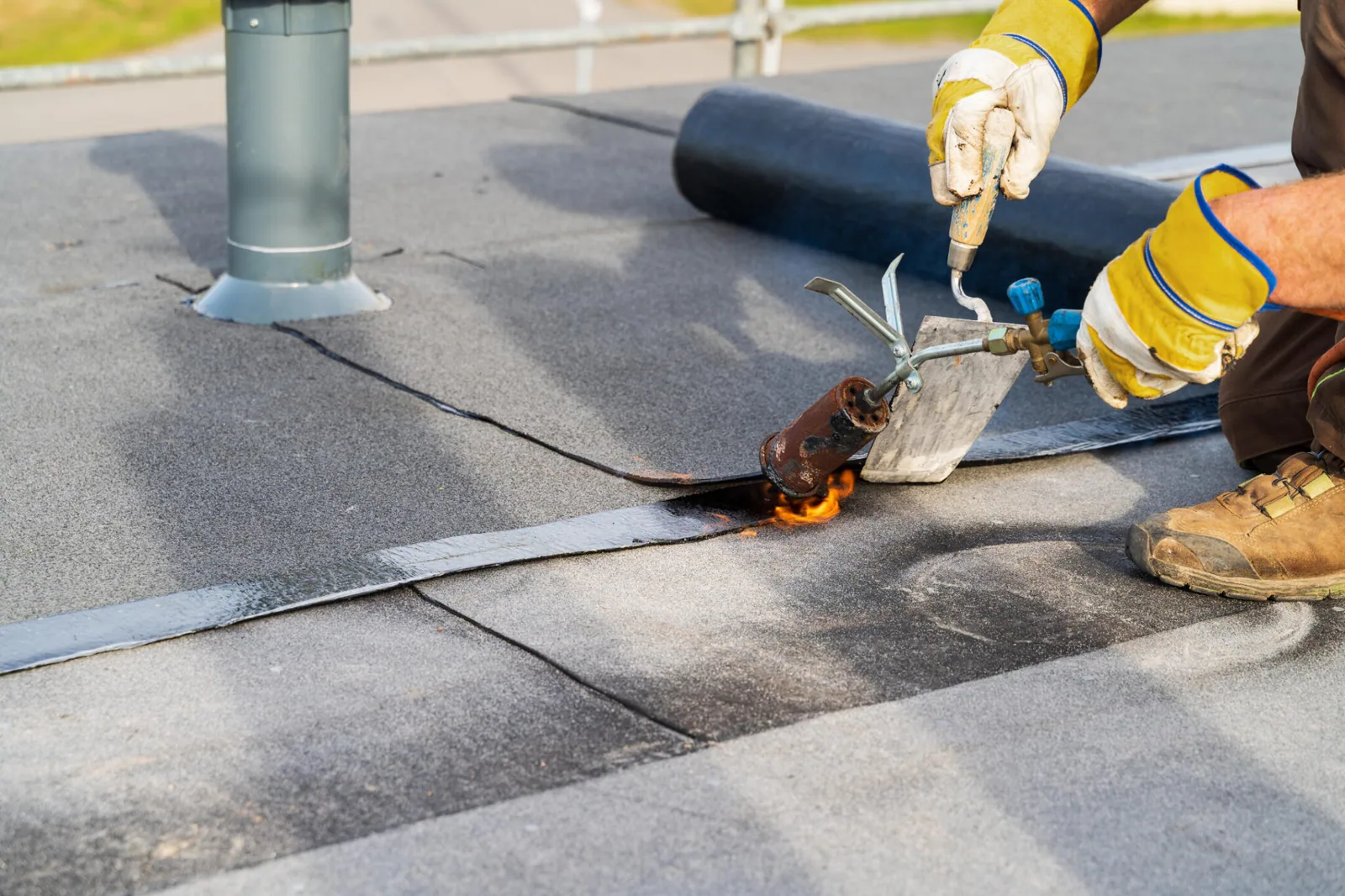
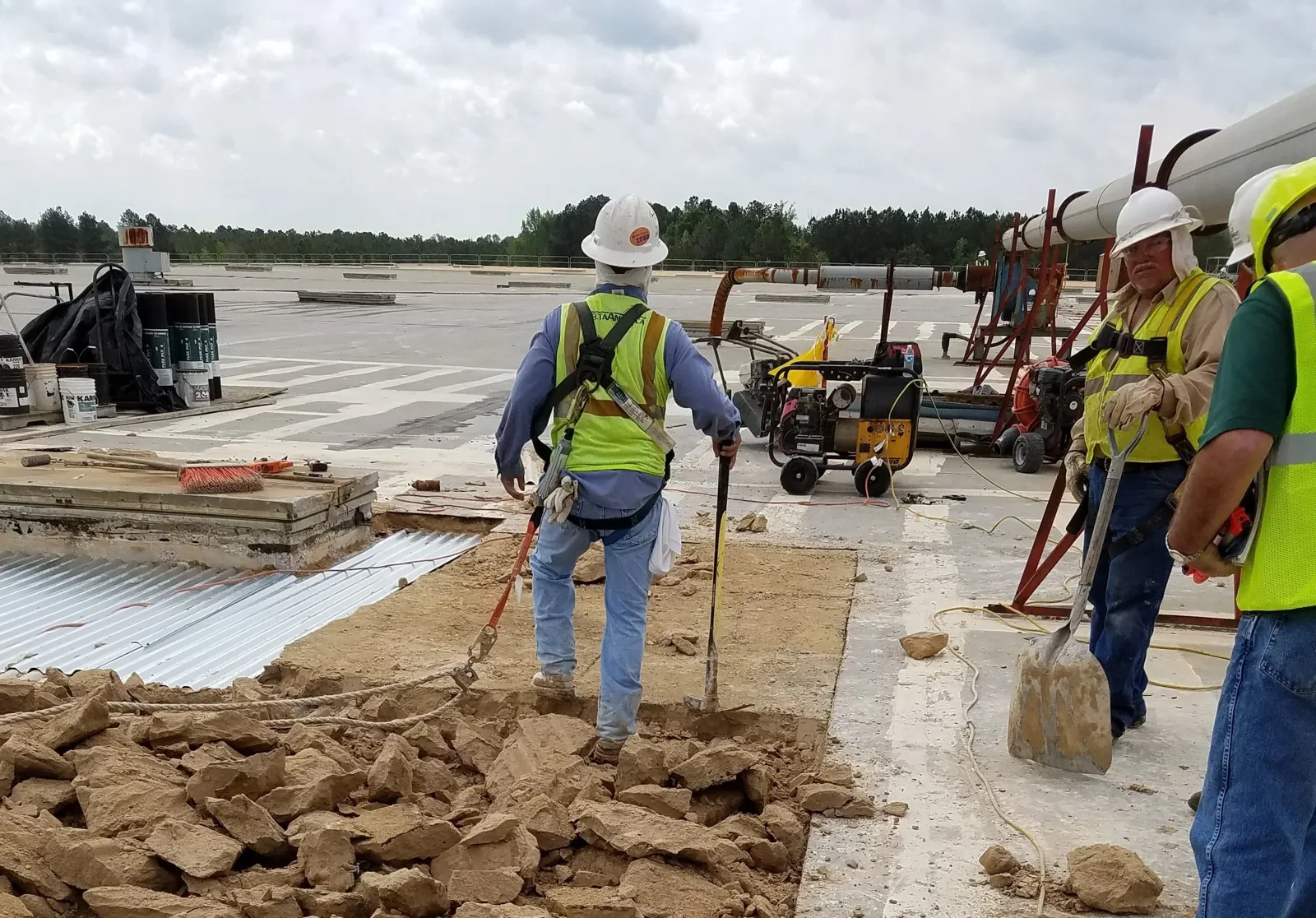
For an isolated failure, the work order states the roof zone, observed defect, preparation, material, tie-in, and repair perimeter. If a seam is open, the crew checks the length and nearby transitions. If flashing has separated at a curb, the repair description identifies how the detail will be rebuilt. We avoid broad labels that do not tell the property team what work was completed.
When water is active, temporary protection may precede permanent work. The closeout marks the temporary measure and the conditions required for the return. If a repair exposes wet insulation or a failed substrate, the crew measures and photographs the area. The owner receives the added scope and schedule effect for approval before the work expands. That keeps a new discovery visible rather than burying it under the original line item.
Repair material follows the existing system. TPO, PVC, EPDM, modified bitumen, built-up roofs, and metal panels use different preparation and details. Coatings also depend on substrate condition and compatibility. We verify the system where possible and identify uncertainty when layers are hidden. A moisture survey or test opening may help the owner decide between a limited repair and broader work.
For water entry, leak investigation centers on the reported room and plausible roof path. A repair scope documents the defect and boundary. If an inspection finds many issues, a condition survey can give the ownership team a full route and priority record.
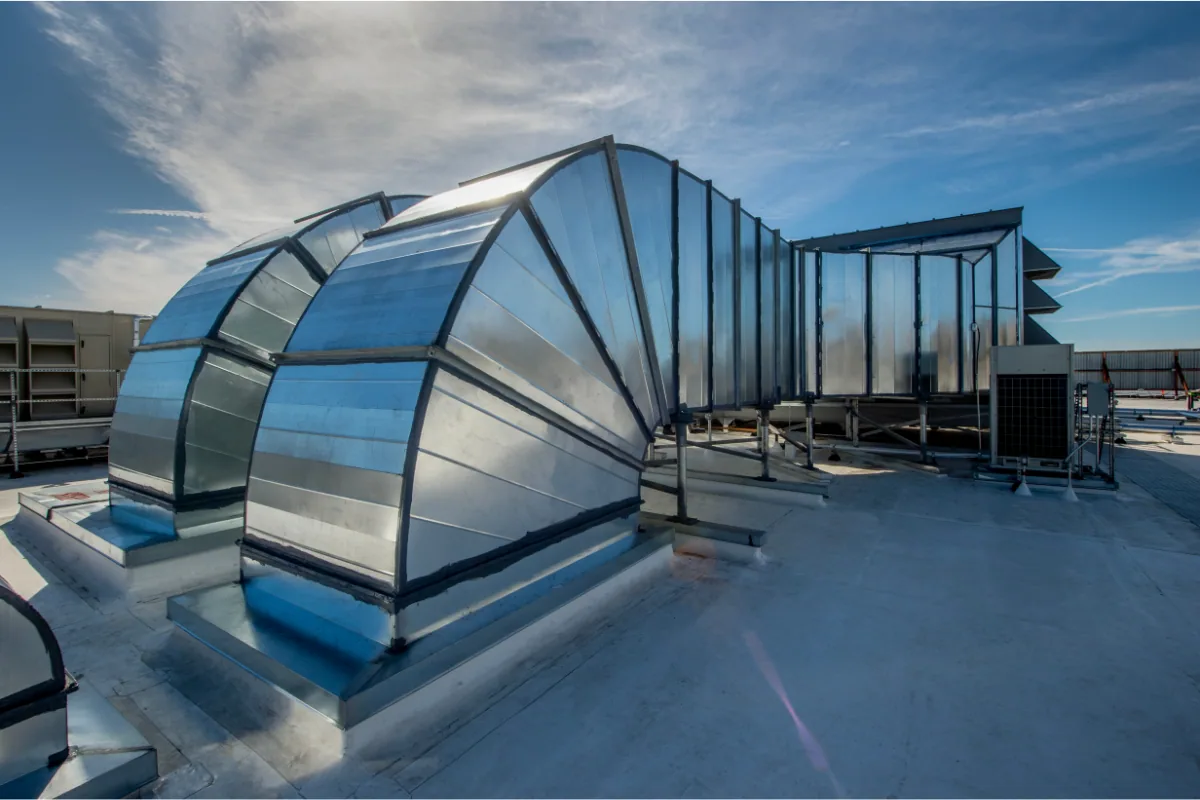
Replacement review: compare complete assemblies
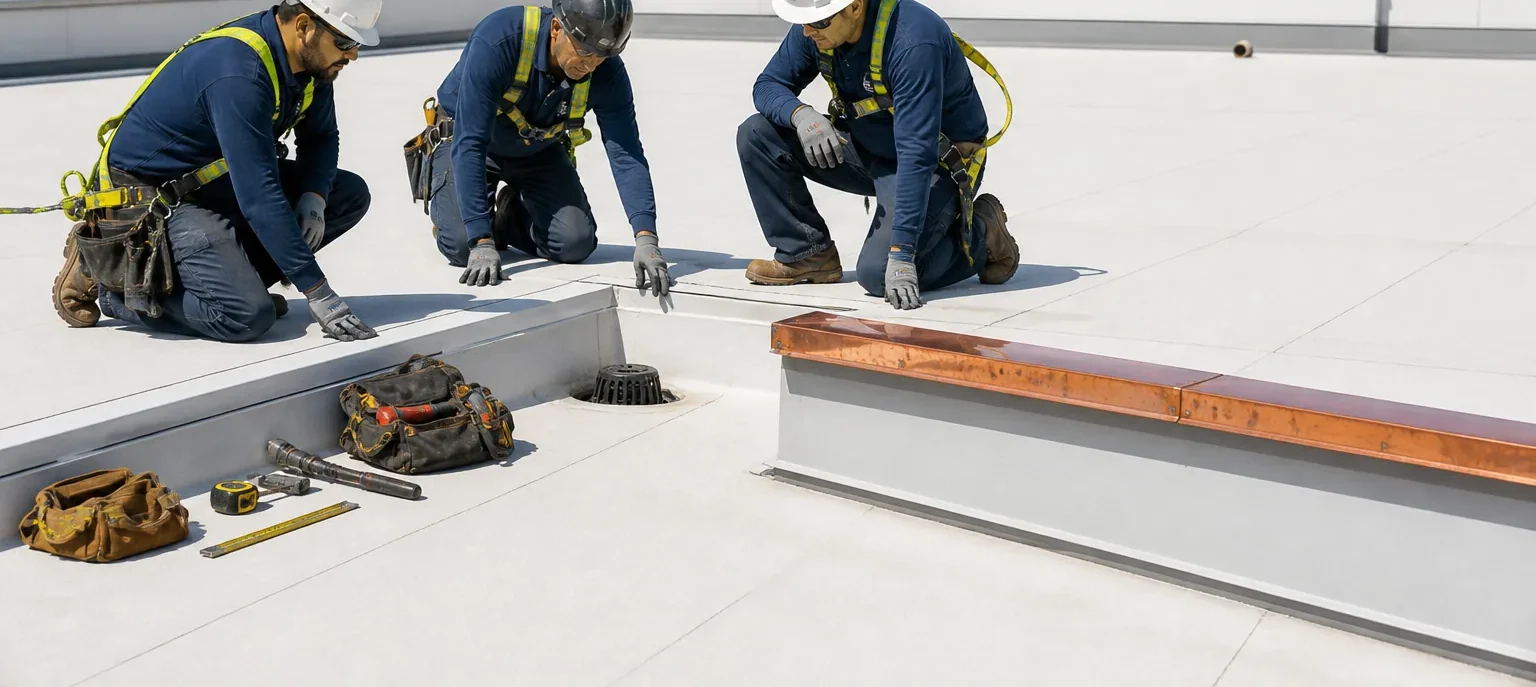
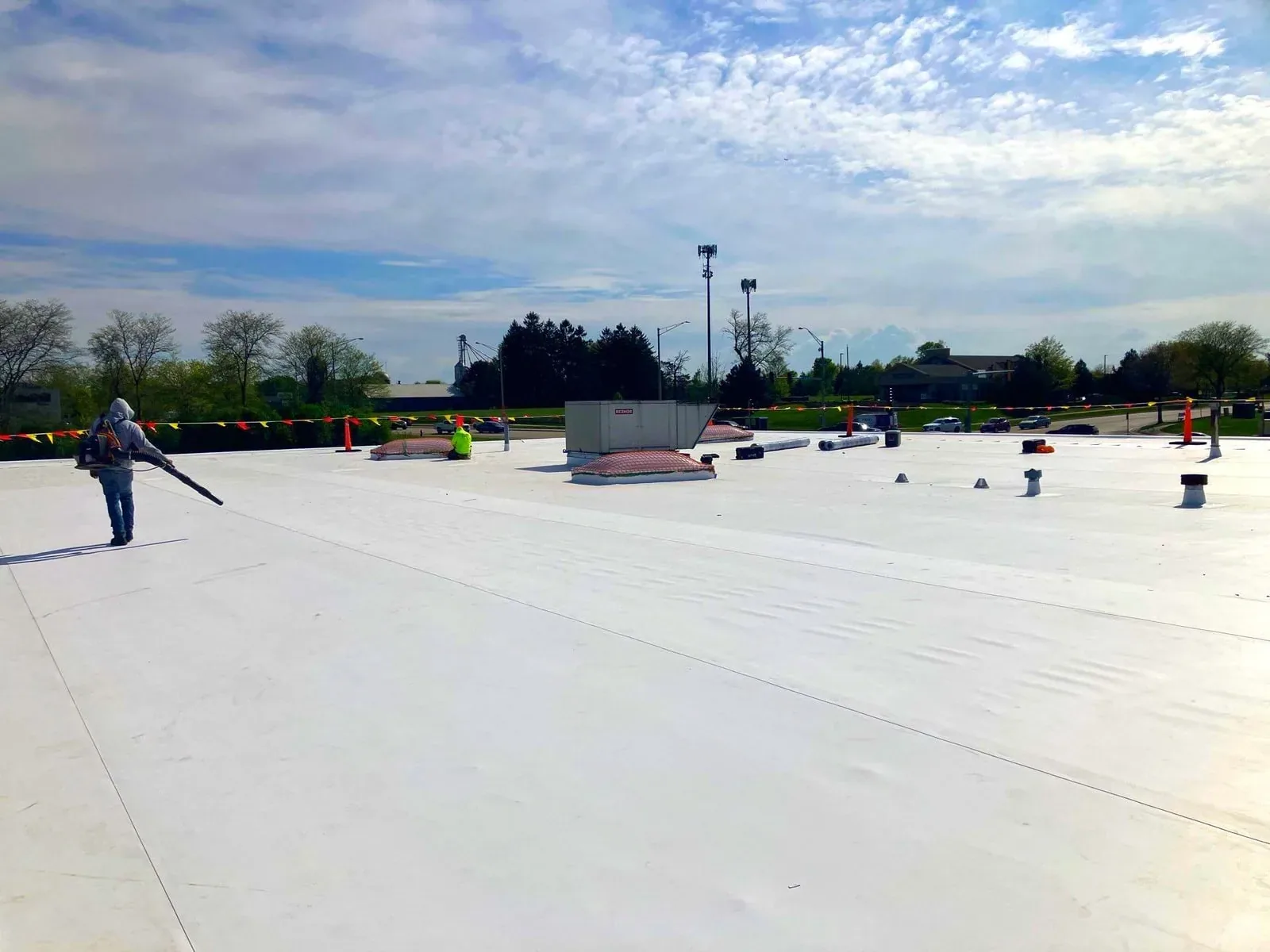
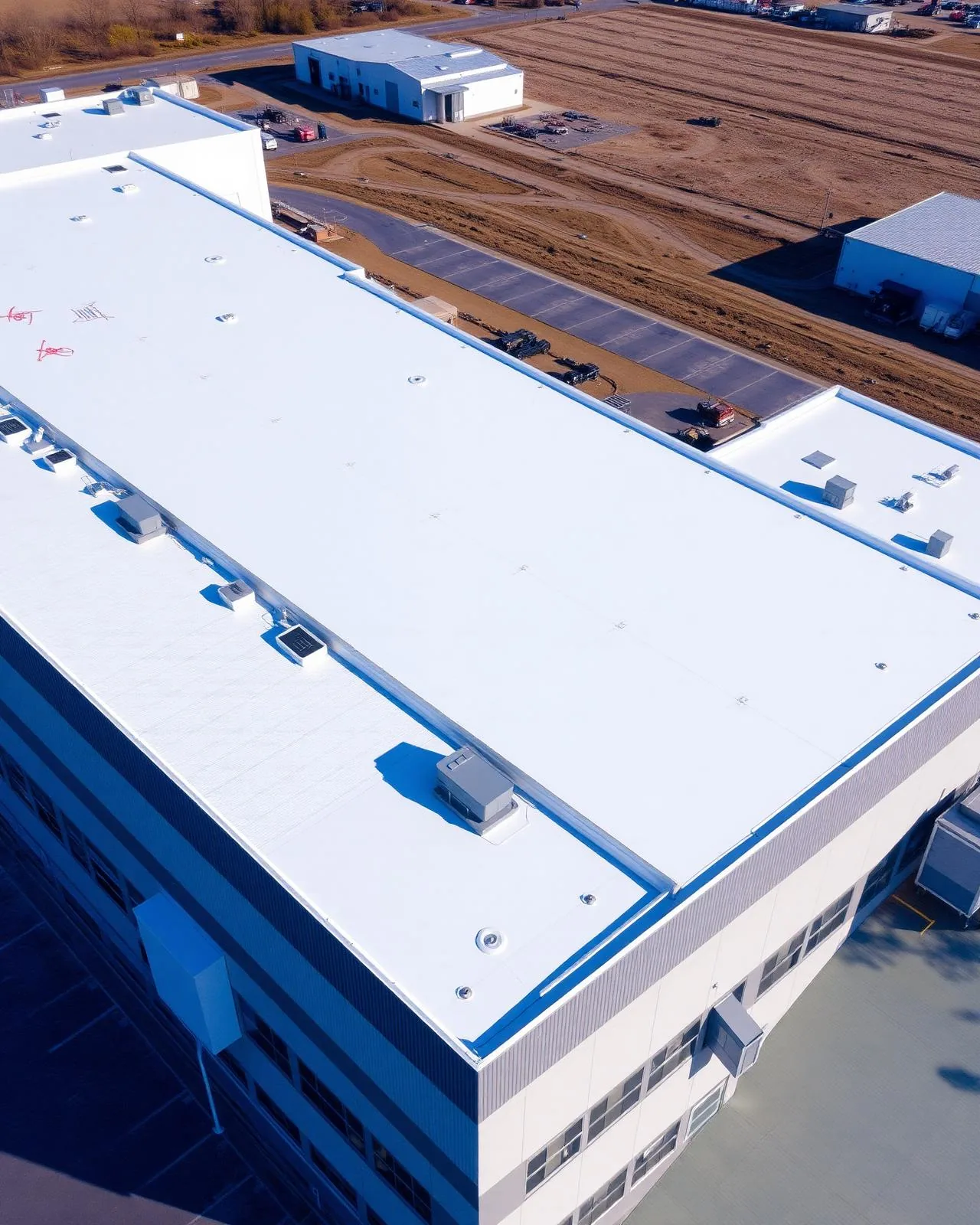
When a roof approaches replacement, we review the existing layers, visible deck, insulation, attachment, perimeter height, drains, penetrations, and equipment. Recover depends on moisture, deck capacity, code, attachment compatibility, and selected assembly. A test opening can help resolve concealed layer questions before the owner compares bids. A proposal should not treat unknown conditions as confirmed.
Scope should address tear-off, disposal, deck repair, insulation, cover board, membrane, flashings, edge metal, drains, curbs, access, and occupied-building protection. We show quantities and assumptions separately. Any concealed-condition allowance identifies what could trigger added work and the person who can approve it. Phasing states how the roof remains secure at the end of each shift.
Elgin applies the 2021 International Building Code with amendments and the current Illinois energy requirements for commercial work. The project team verifies relevant provisions before selecting a system. A TPO assembly and standing-seam metal require different attachment, flashing, and expansion details. The correct proposal reflects the roof actually present and the design requirements for that property.
For planned upkeep, preventive maintenance can identify drains, seams, edge details, and prior repairs before a larger project is scheduled. A coating review can determine whether restoration is suitable for the current surface. Neither path removes the need to document wet layers or correct failing details first.
Closeout: make the next approval obvious
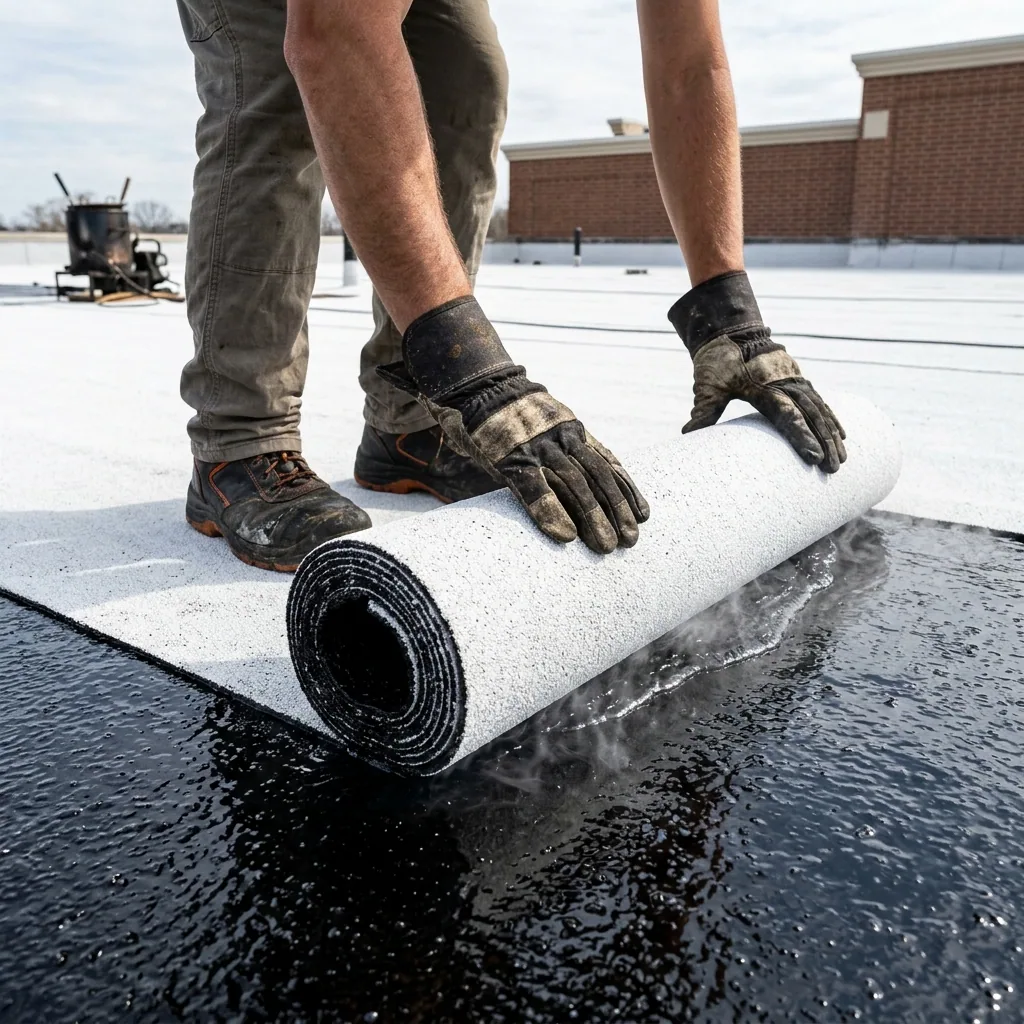
The owner should receive a record that can be acted on. It lists the roof zones inspected, conditions found, photos, repairs completed, materials used, temporary protection, and remaining questions. If testing is needed, the report states what it could confirm. If access was limited, the deferred area remains visible on the next action list.
Where schedules cross several buildings, keep a distinct site identifier for each report. Elgin-O’Hare Business Center and Burnidge Bros. Industrial Park are other named Elgin areas. Each visit keeps its own building record.
Call with the building, issue, roof access contact, and any tenant or operating restrictions. For active water, identify the room and whether contents or equipment need protection. We will confirm the dispatch window, safe entry, and next owner decision.
Questions About Fox Bluff Corporate Center
What does the corporate-center zoning tell you about its roofs?
It identifies allowed use categories, not a roof system. We confirm each property's assembly and condition on site.
How are inspection findings prioritized?
Active water, safety exposure, repair urgency, testing needs, and capital timing determine the order.
Can the crew inspect during snow or ice?
Not when conditions make access unsafe. We log deferred zones and schedule the return inspection.
What information should a replacement proposal show?
It should define layers, tear-off, insulation, flashing, drainage, equipment details, access, phasing, and concealed-condition approvals.
Can roof work be coordinated across multiple buildings?
Dates and reporting can be coordinated, but each building gets independent inspection findings and authorization.