Commercial Roofing in Burnidge Bros. Industrial Park, Elgin, IL
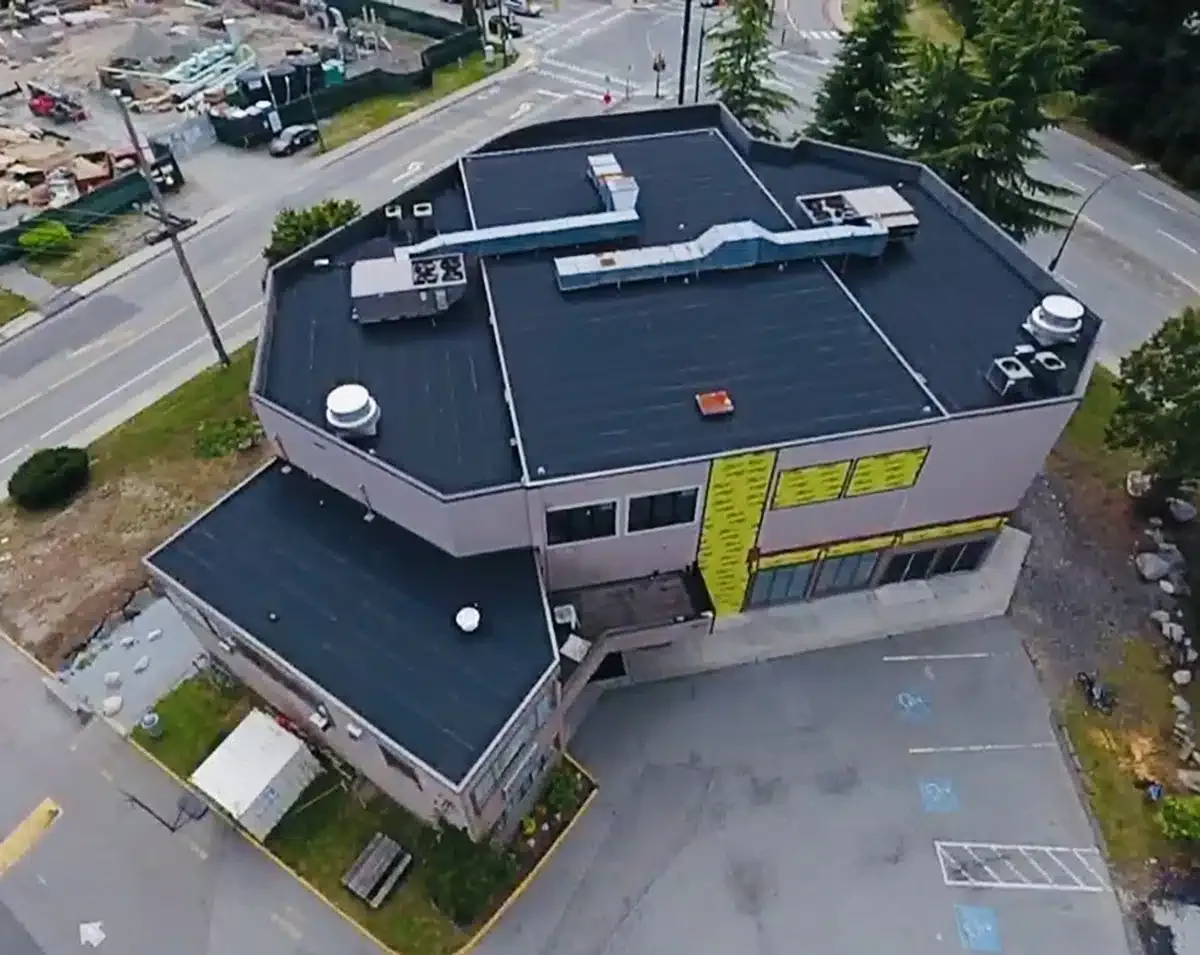
Plan roof work across Burnidge Bros. Industrial Park
Identify each building, access contact, reported condition, and operating window. We will set a survey sequence and clear approval points.
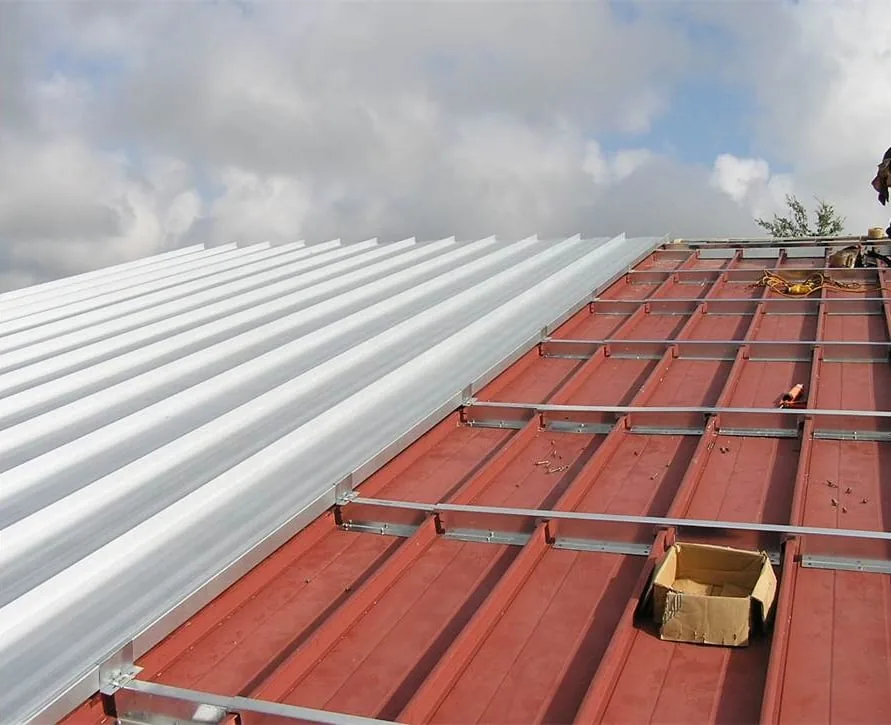
Burnidge Bros. Industrial Park
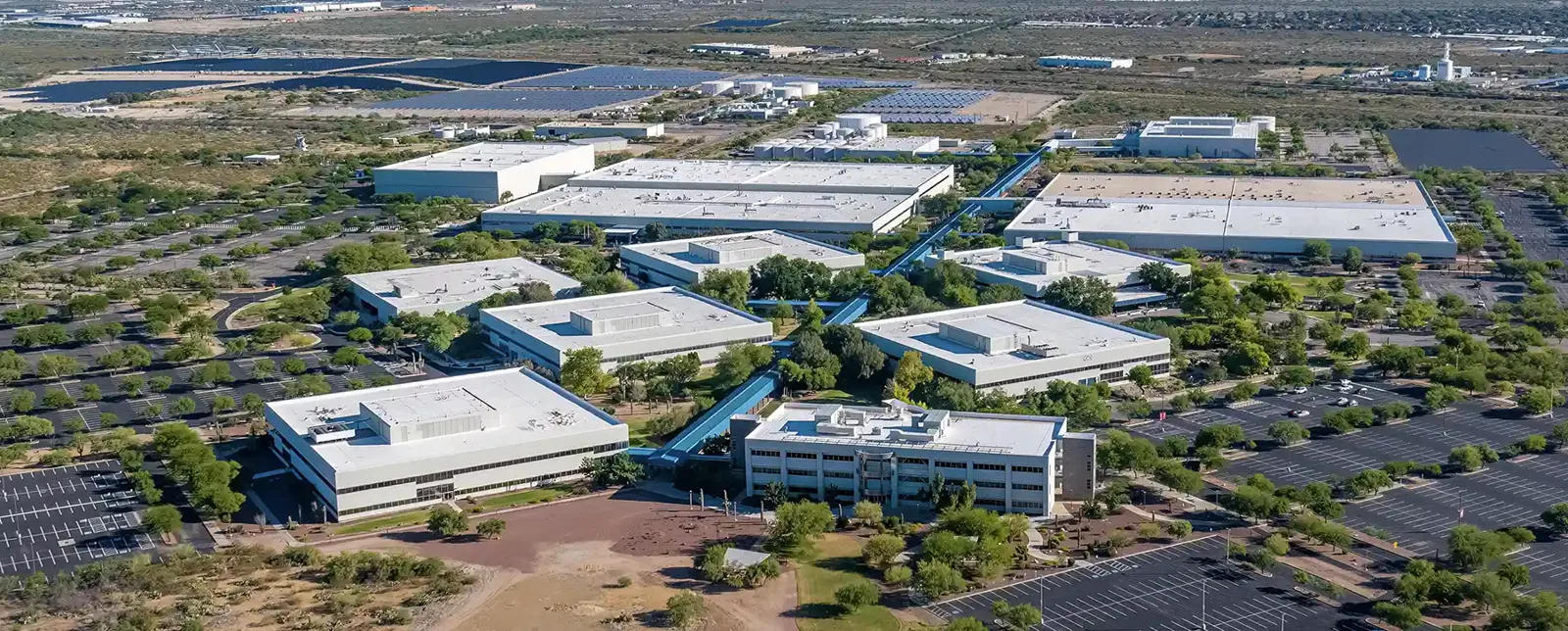
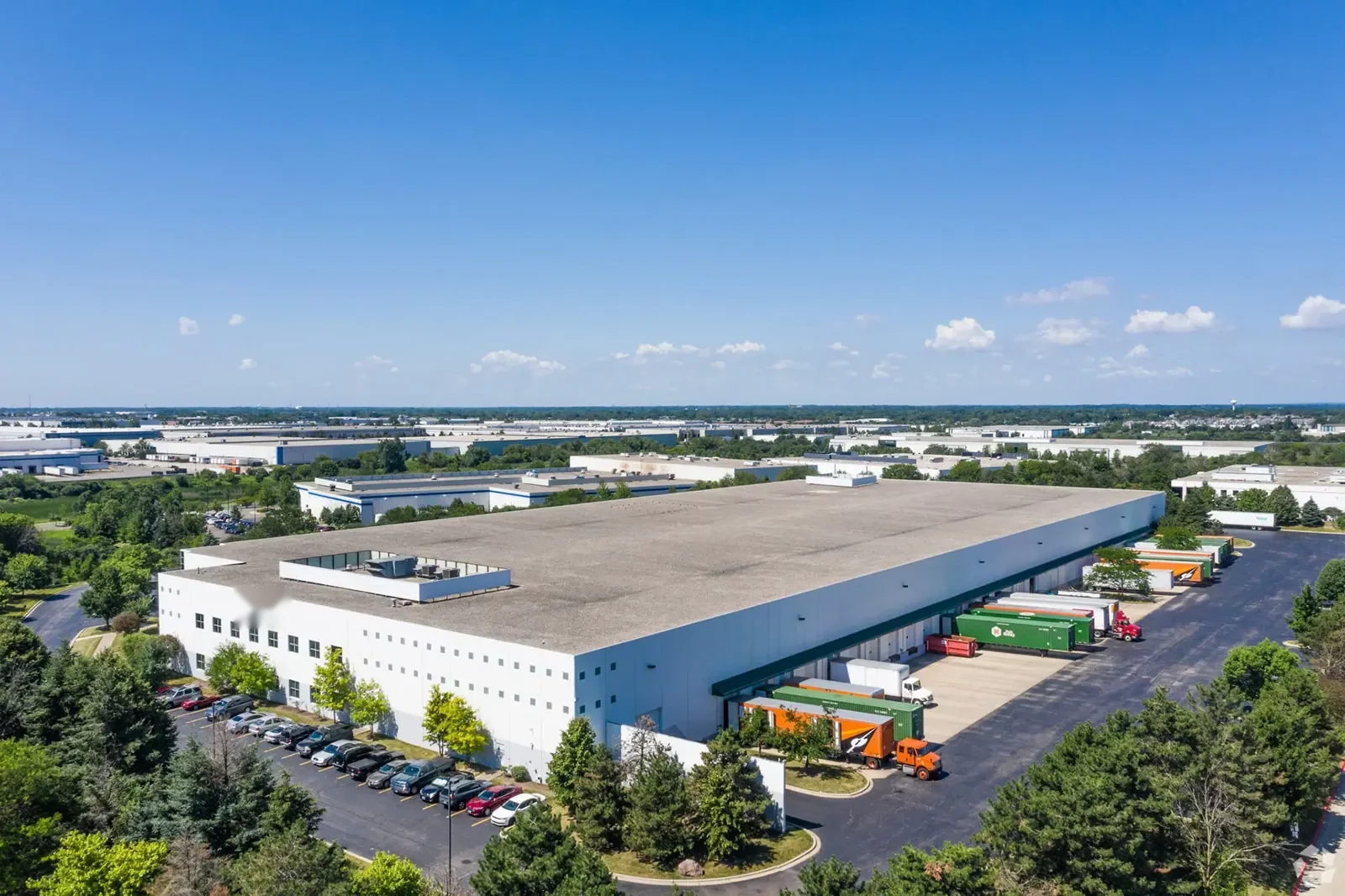
Burnidge Bros. Industrial Park covers 220 acres and includes GI/PGI zoning categories for office, research, industrial, and planned-business uses. A large business area can involve different property contacts and roof decisions. We start with the building at issue, its reported condition, and the person authorized to arrange access. The first inspection verifies the roof system and work zone instead of assuming that neighboring properties share construction. A current building contact helps keep dispatch practical and safe.
Elgin's winter weather can change both drainage observations and roof access. The city's normals include snowfall and frequent freezing days. Snow can conceal a drain or transition; thaw water can test a seam after a cold period. Ice can make the roof unsafe to enter. We record the areas reached and the ones held for a return, then tell the owner what remains to be checked.
For portfolio work, clear property identifiers matter. Each building gets its own photos, repair boundary, priority, and open approval. Dates can be coordinated, but the findings stay separate. That lets an asset manager review the park as a schedule without treating it as a single roof. Work orders should identify the precise building and roof area, especially when separate contacts manage different operations.
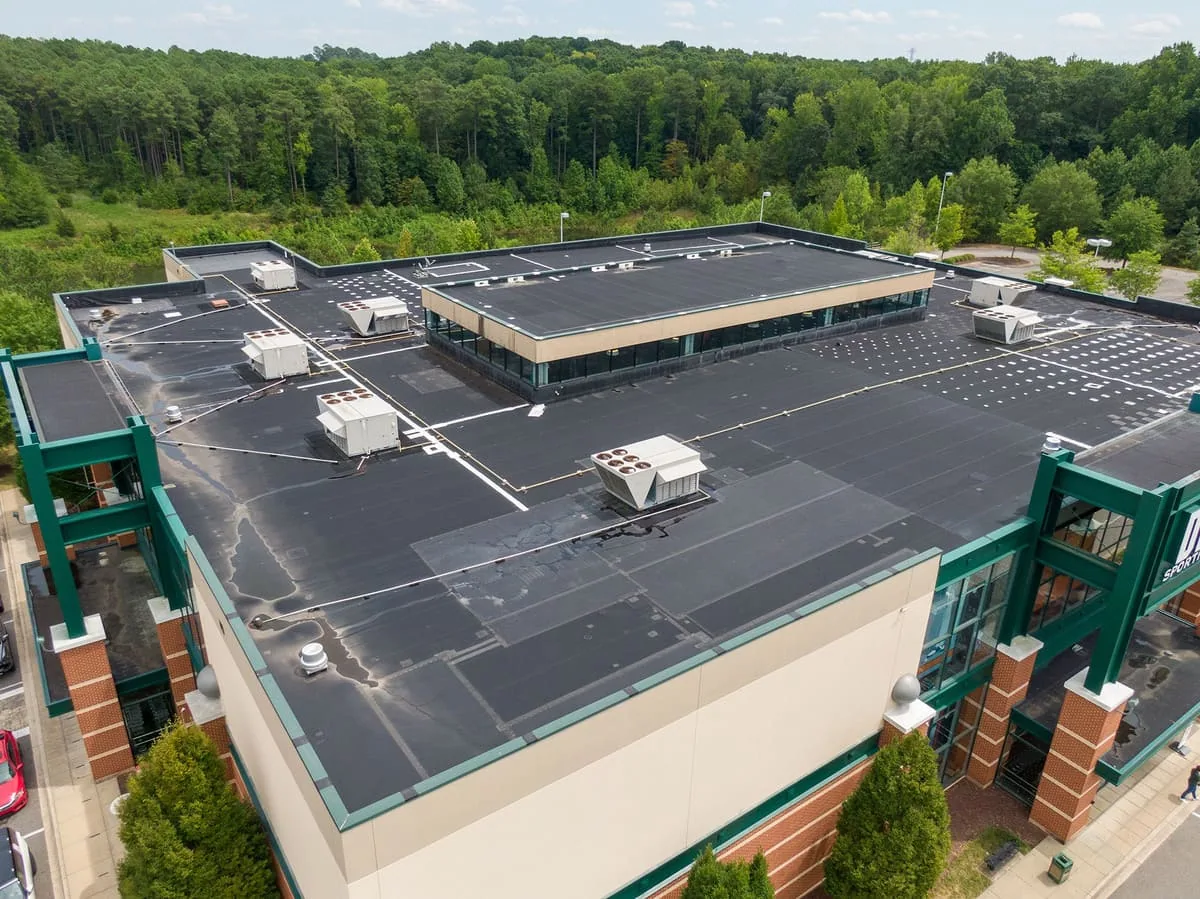
Portfolio route: separate buildings, group decisions
A coordinated visit starts with a site list and access contact for each building. The property team confirms roof entry, escort needs, operating windows, delivery constraints, and any area requiring protection below. The crew can then sequence nearby work while keeping inspection findings assigned to the correct asset. If a contact or key is missing, the report records that limitation instead of marking the roof checked.
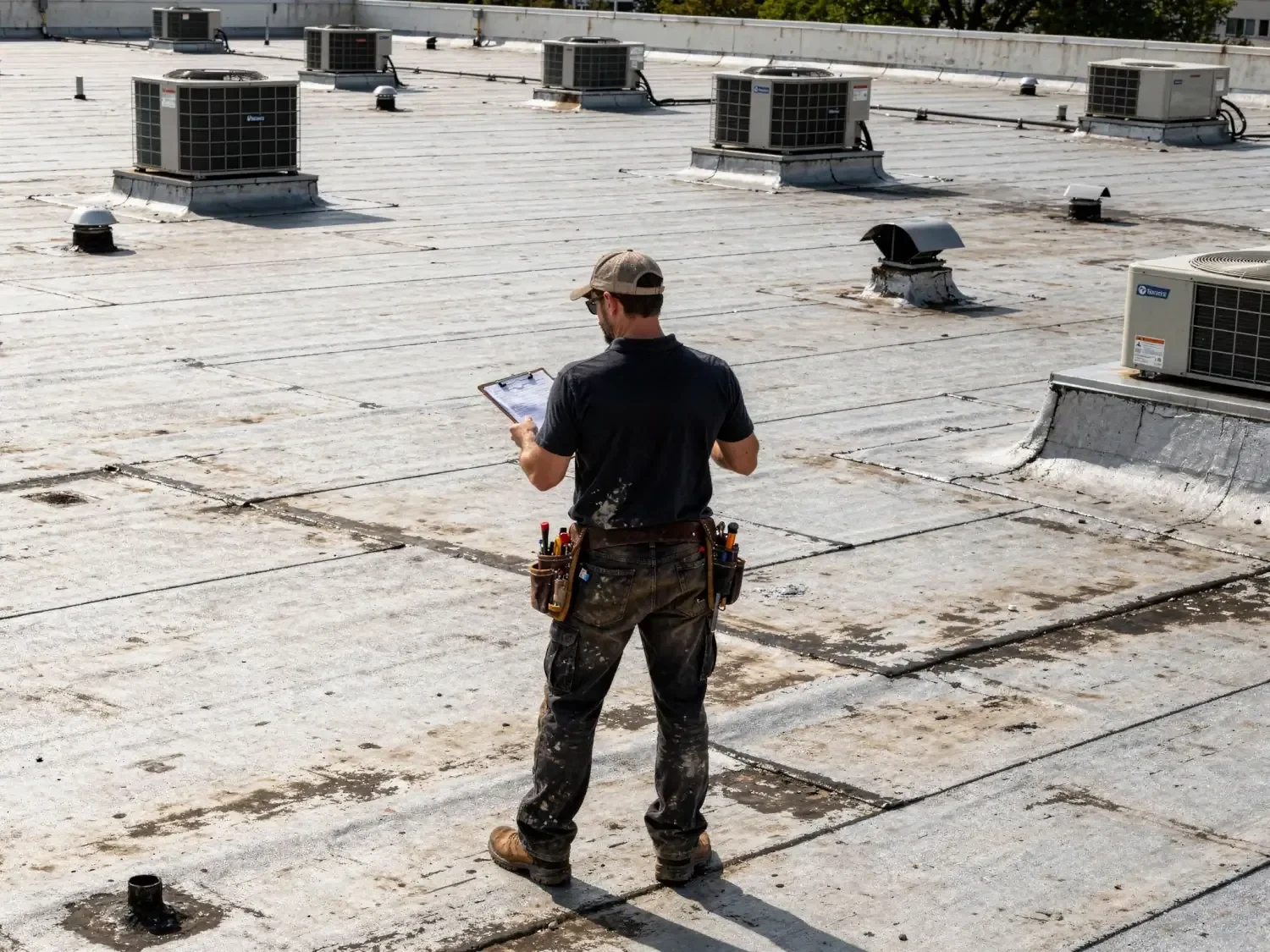
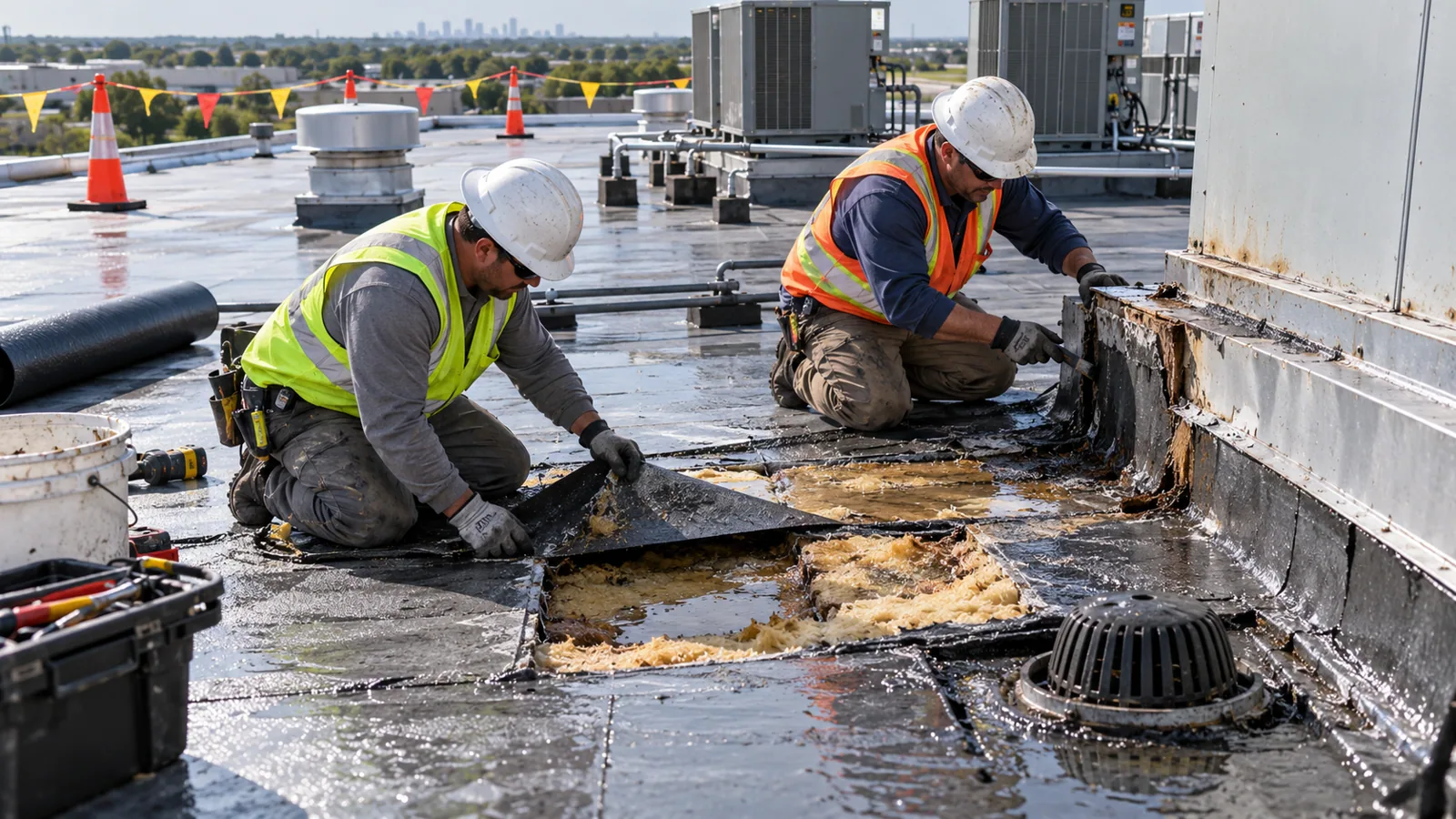
On each roof, we log membrane or covering, seams and laps, penetrations, curbs, wall details, edge conditions, drains, and visible repairs. Photos identify the zone and the condition. Where an interior report exists, we compare it with roof evidence. The path can cross a deck or insulation layer, so a ceiling mark does not locate the entry point by itself.
Condition notes should lead to a decision. An active leak may call for water control and an urgent repair. A loose flashing detail may fit a planned work order. A broad wet area can require a moisture survey or test opening before pricing. A roof near its capital cycle may need a system review. We label those differences so a manager can assign scope and funding accurately.
A useful portfolio review separates immediate exposure from expected renewal work. We can group findings by action: stop active water, repair a defined defect, test a concealed area, or carry a project into capital planning. The record identifies the evidence behind each category. If the asset manager needs a sequence, we can show which work depends on a test or owner decision first. This keeps a low-priority observation from obscuring the roof condition that needs attention today.
For multi-building portfolios, a coordinated roof program can group survey dates and track open items. A roof asset record can maintain condition history, repairs, and future decisions. Neither replaces building-level inspection. The crew verifies access, assembly, and defects at each address before recommending work.
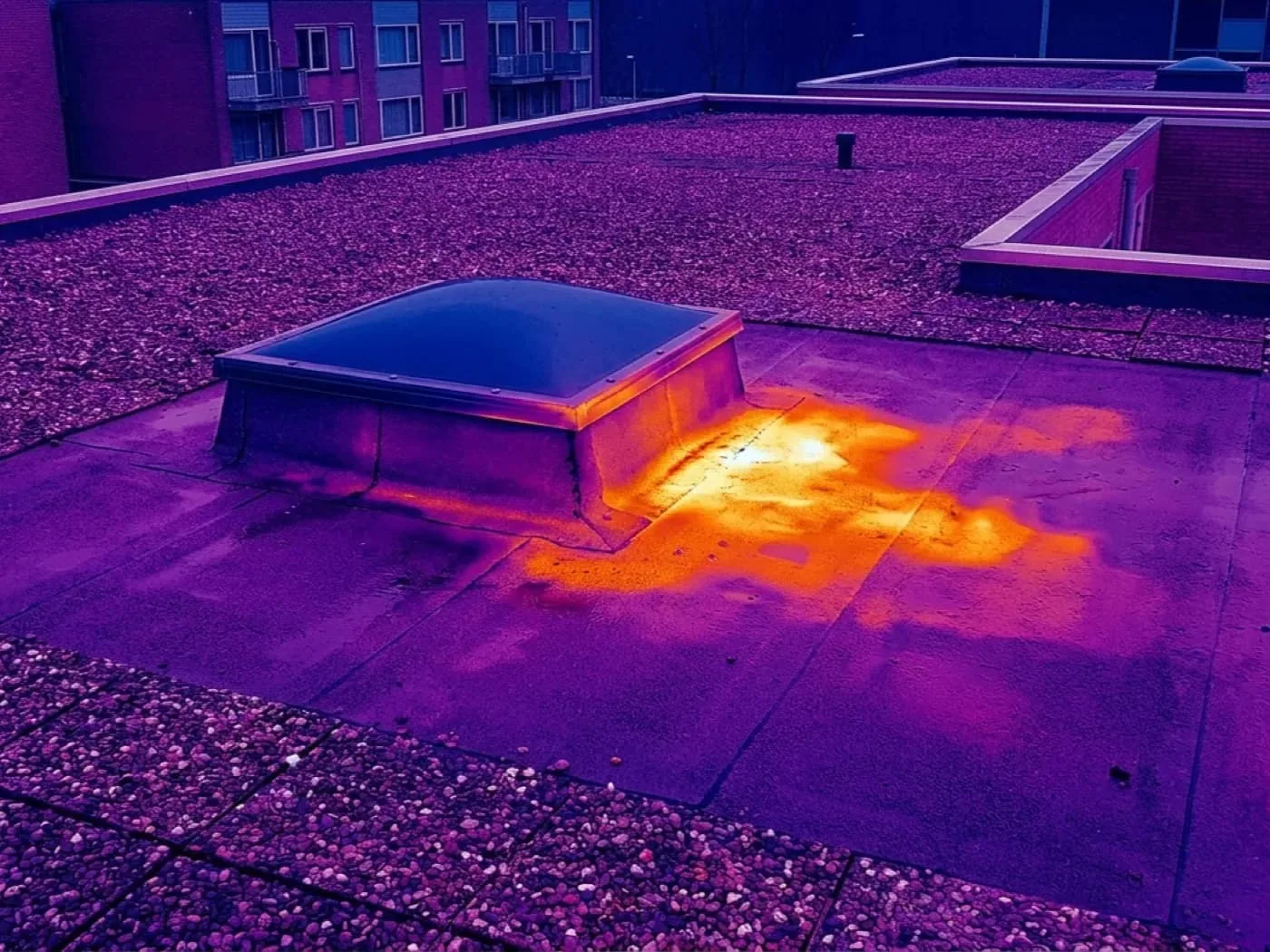
Incident response: control the area before the repair
When water is active, the first check is its effect indoors. We ask which room is affected, whether equipment or inventory is exposed, and who can approve access. The site team may need to move contents or isolate a portion of the operation. The roof visit starts with safe entry, then follows the likely water path through seams, drains, equipment curbs, wall transitions, and prior repairs.
If permanent work cannot begin during the first visit, temporary protection is documented with its limit and follow-up date. A patch is not described as permanent unless the surface and substrate support that detail. If an opening reveals wet insulation or damaged deck, the crew records its extent and sends the owner the added cost and schedule effect. Expansion waits for approval.
A July 2023 EF1 tornado crossed Elgin and caused roof damage along its path. A property in Burnidge Bros. Industrial Park needs its own inspection after a weather call. We look for current signs such as displaced metal, torn flashing, punctures, separated seams, or equipment movement. The crew documents what it can see and whether more investigation is needed. Elgin averages 12.7 days above 90°F each year. Surface heat can affect sealants, adhesives, coatings, and membrane handling. The supervisor checks actual conditions against product requirements and sets a work window accordingly. In winter, snow and ice can hold a walk until safe access returns. The site contact receives the reason for a weather change and the next action.
System decision: repair, restore, or replace
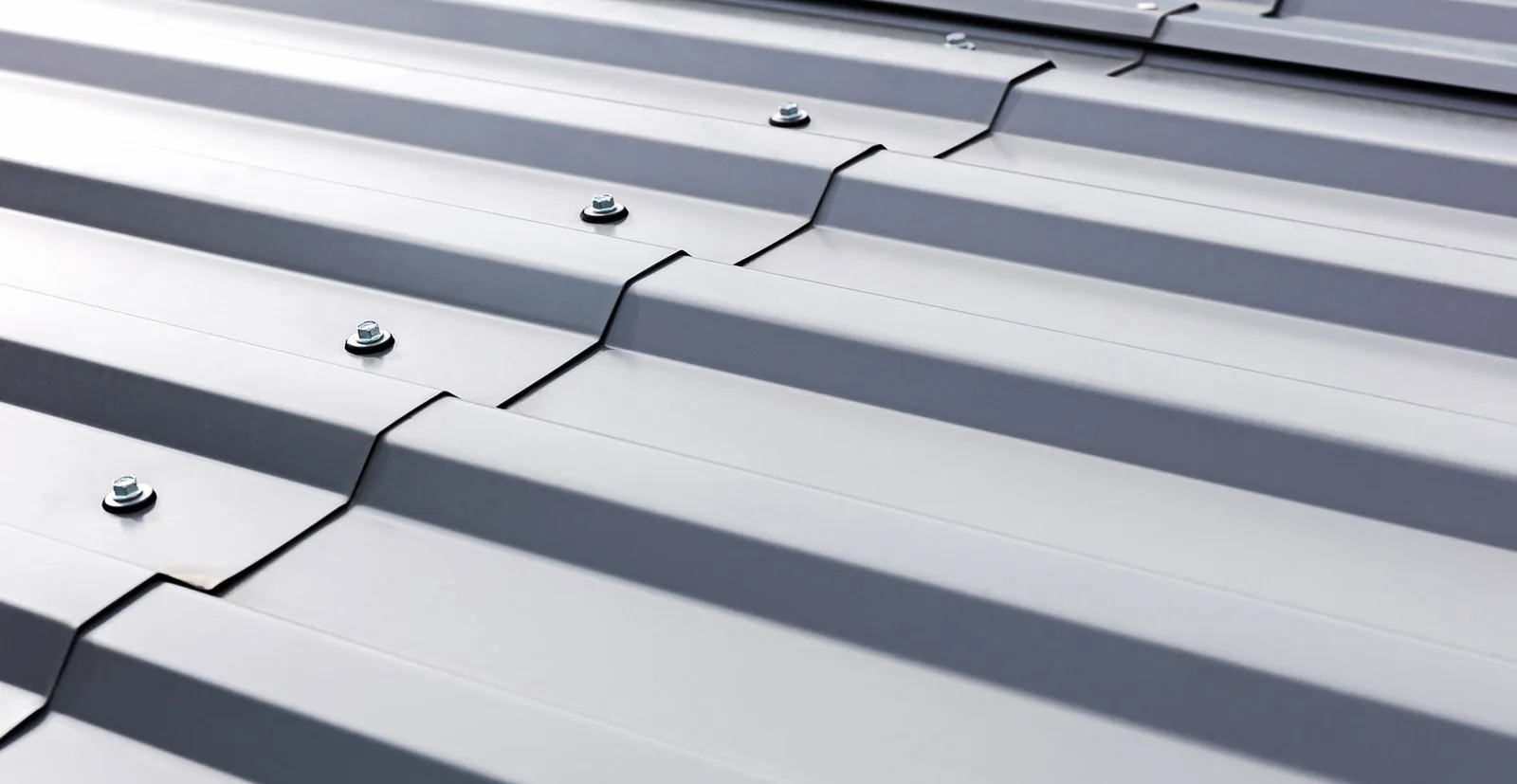
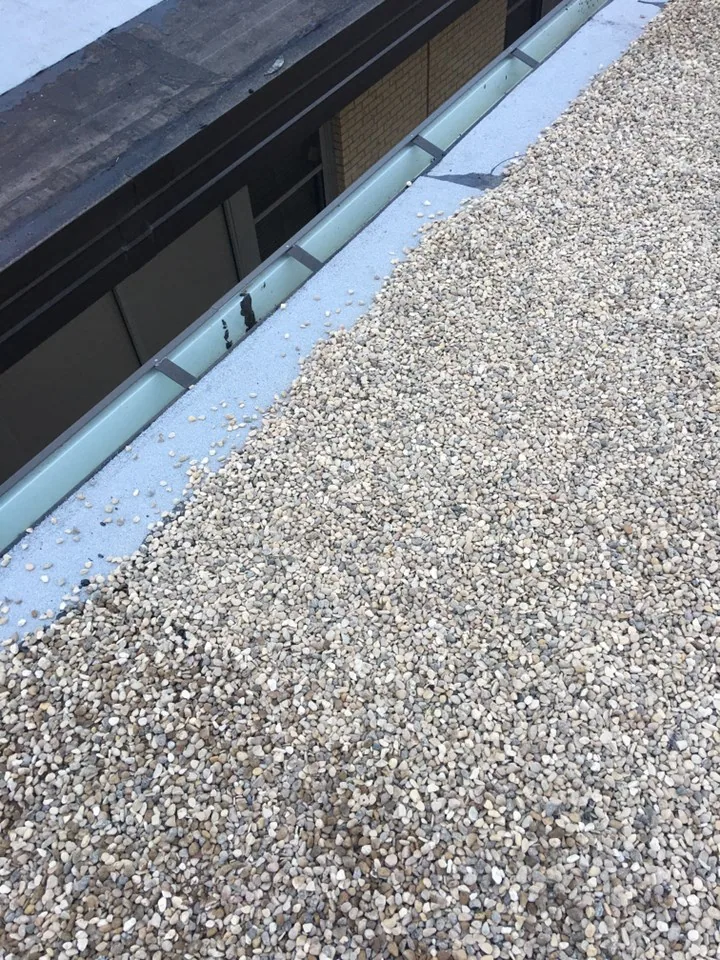
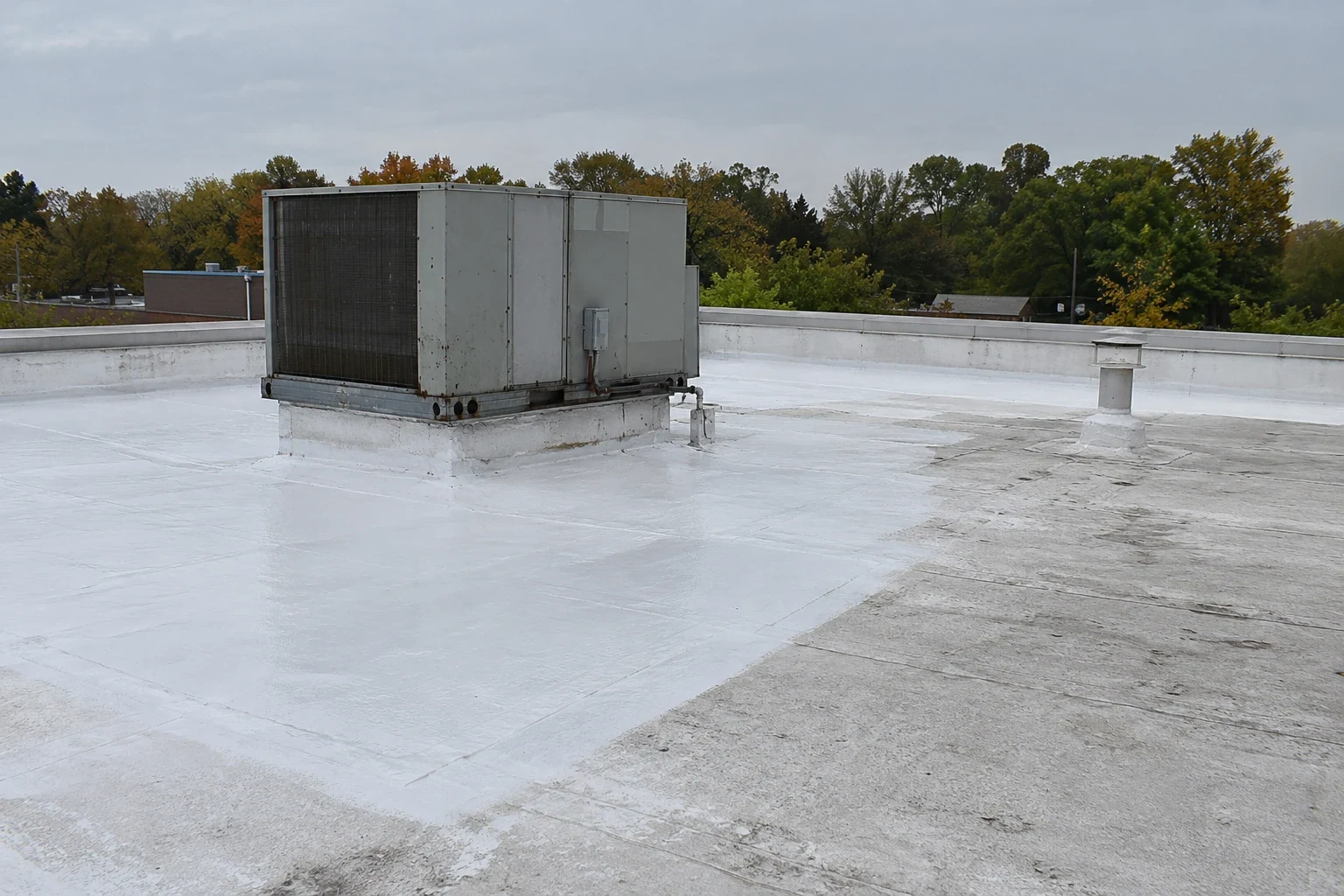
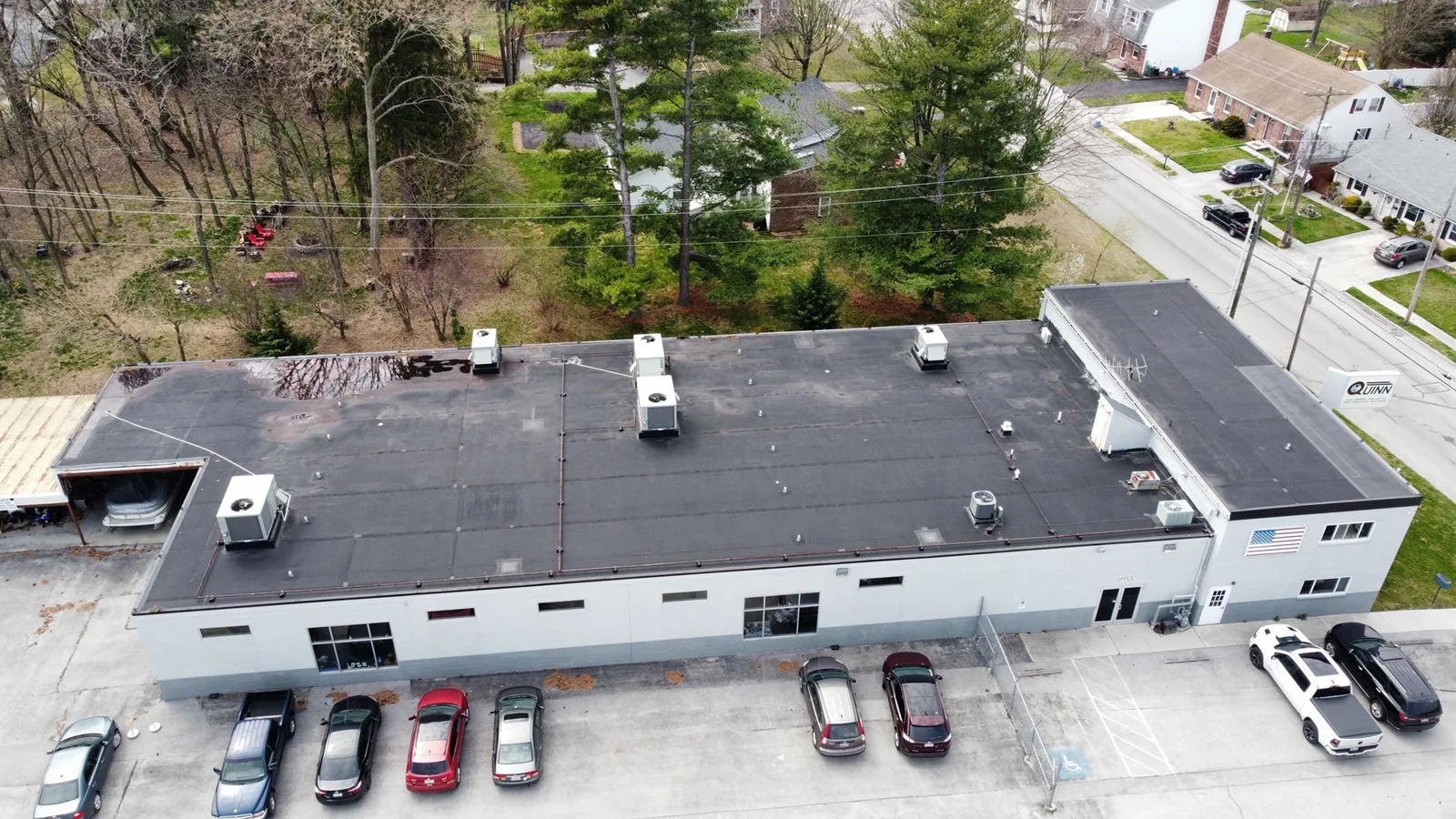
A roof system determines which repair details can bond and how seams should be closed. We identify TPO, PVC, EPDM, modified bitumen, built-up, metal, or a coating where the evidence allows. If a roof includes several phases, older patches or overlays may complicate the surface. The report notes visible changes and recommends a test when the concealed layers affect the choice.
A targeted repair scope lists preparation, compatible material, area, and tie-in. A restoration review checks whether the current roof and substrate can accept a coating. A replacement assessment looks at layers, deck, insulation, attachment, drainage, edges, equipment, and code. The scope should say what is confirmed and what remains an assumption. This gives ownership an honest basis to compare choices.
Elgin enforces the 2021 International Building Code with amendments and applies the current Illinois commercial energy requirements. The design team checks applicable provisions before selecting a new assembly. A metal retrofit has different attachment and edge details than a built-up roof. If a coating is being considered, restoration evaluation should confirm adhesion and moisture conditions first.
Replacement cost and duration depend on more than membrane area. Tear-off, disposal, insulation, deck repair, flashing, edges, drains, equipment coordination, access, and phased dry-in affect the bid. If operations continue below, the plan states daily securement and which zones remain open. A concealed-condition allowance identifies the trigger and the approval method before work begins.
Closeout record: preserve each roof history
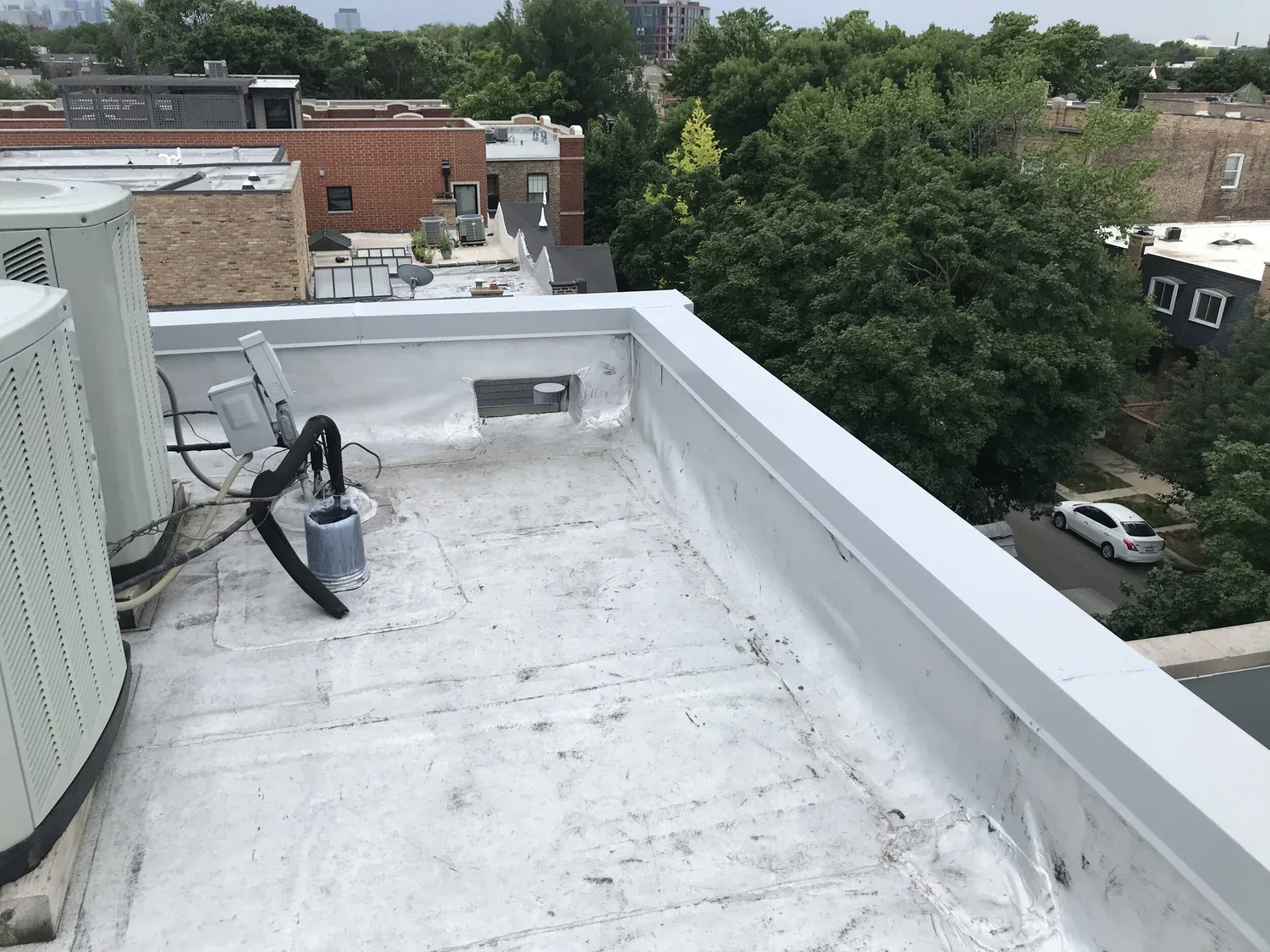
Each service record should identify the building, inspection route, completed work, remaining condition, materials, and dated photos. A temporary measure stays marked as temporary. A section not reached stays listed as open. This makes the next visit easier to assign and keeps a current repair separate from a capital recommendation.
Routine visits may include drains, scuppers, flashing, seams, penetrations, edge metal, and earlier repairs. A preventive maintenance program can organize repeat checks around the actual roof and operating schedule. Capital planning can group recommendations by timing and priority, while each building's condition remains distinct. Consistent roof-zone labels help ownership compare repairs across budget periods and staff transitions.
Other Elgin locations include Fox River Business Center and Fox Bluff Corporate Center. Scheduling can be coordinated across those areas, but we verify the access contact and system at every property. One visit cannot establish conditions on another building.
Call with the property, reported roof zone, contact authorized to arrange entry, and work-hour limits. For active water, name the interior area and what may be exposed. We will confirm a dispatch window and send a next update with observed conditions and the approval point.
Questions About Burnidge Bros. Industrial Park
Can an inspection cover several Burnidge Bros. buildings?
Visits can be grouped, but every roof gets its own route, condition notes, access record, and approval boundary.
How do you distinguish emergency work from capital work?
Active water and immediate exposure come first. Broader deterioration, repeated repairs, and concealed layers inform longer-term evaluation.
What should be recorded after temporary protection?
The closeout names the roof area, method, date, limitation, and permanent follow-up still required.
Does a tornado history establish a roof claim?
No. A property inspection documents current evidence; coverage and causation decisions require separate review.
What affects replacement timing?
Access, tear-off, concealed conditions, material handling, weather windows, and operation below all affect sequence.