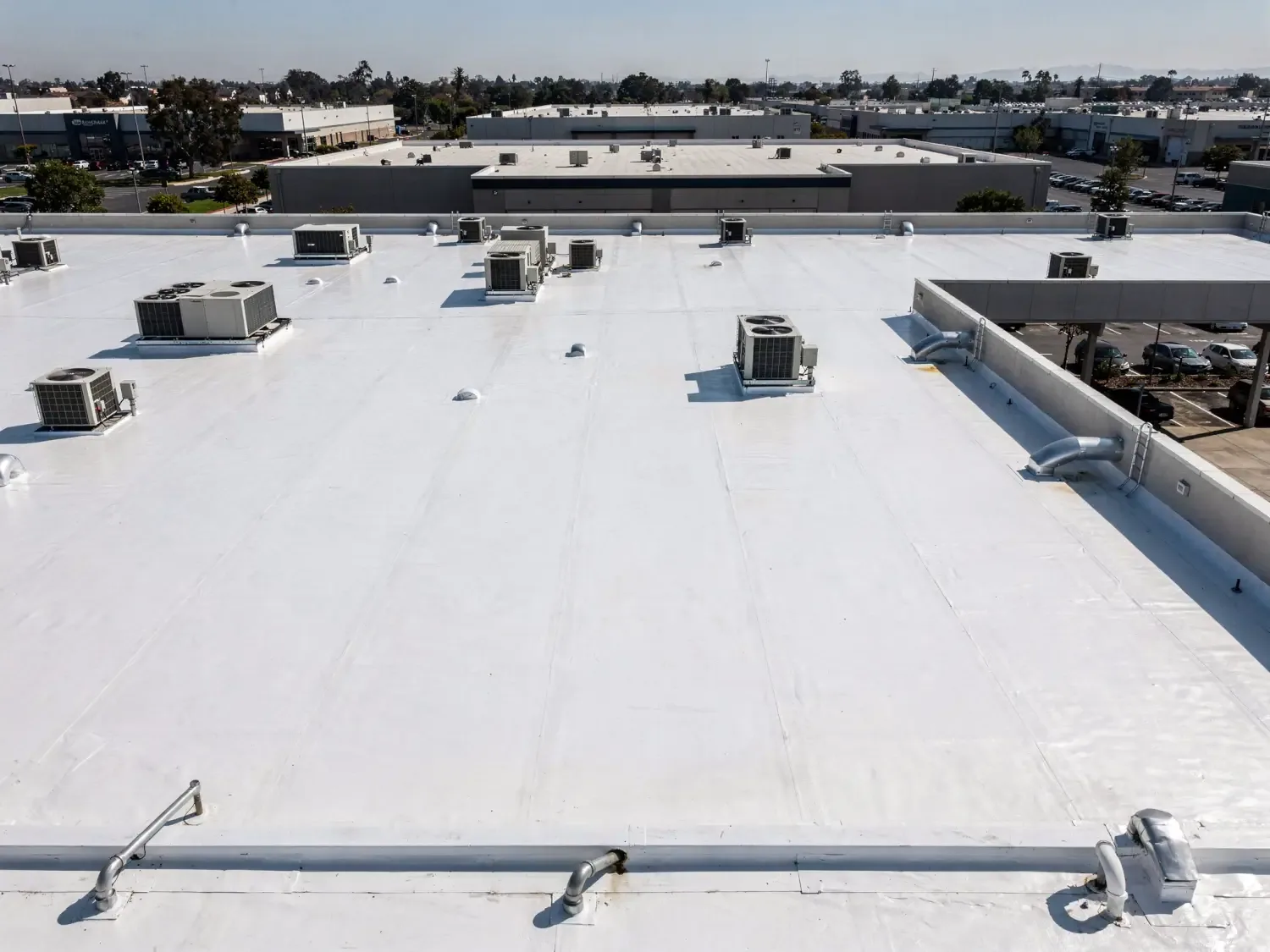
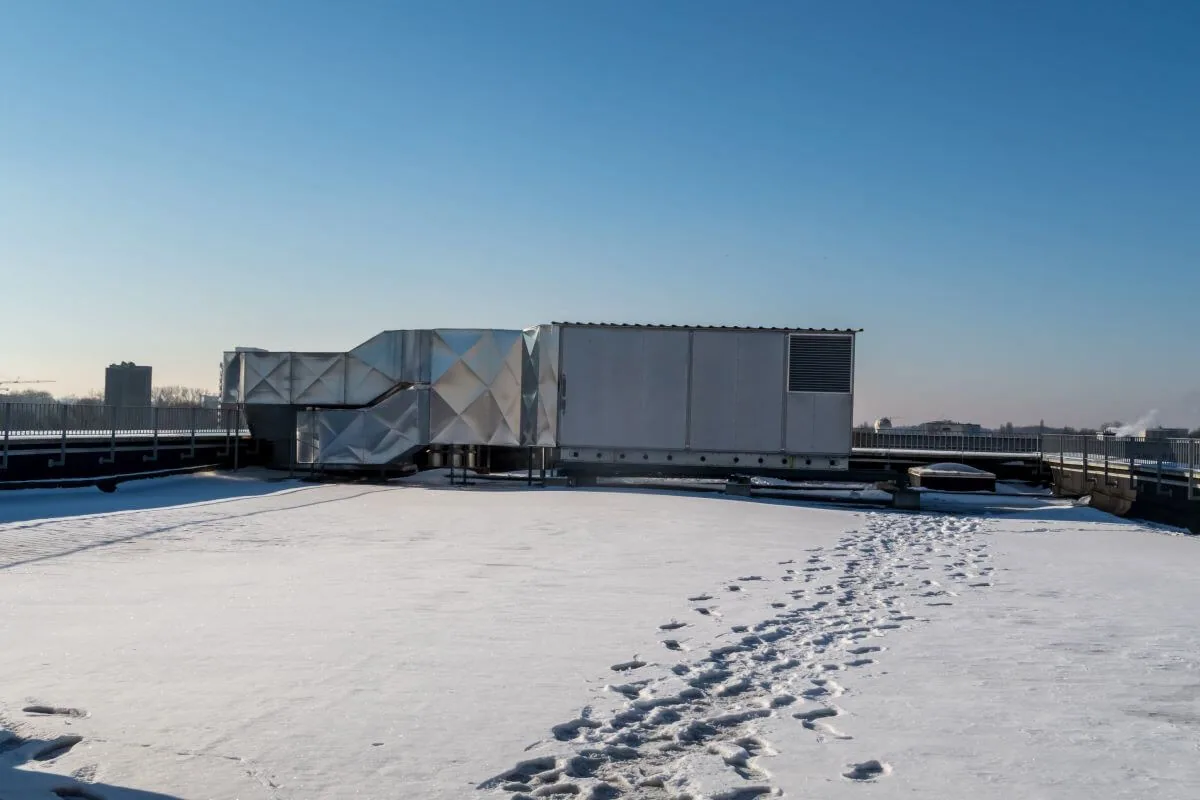
Commercial Snow and Ice Roof Damage Repair in Elgin, IL
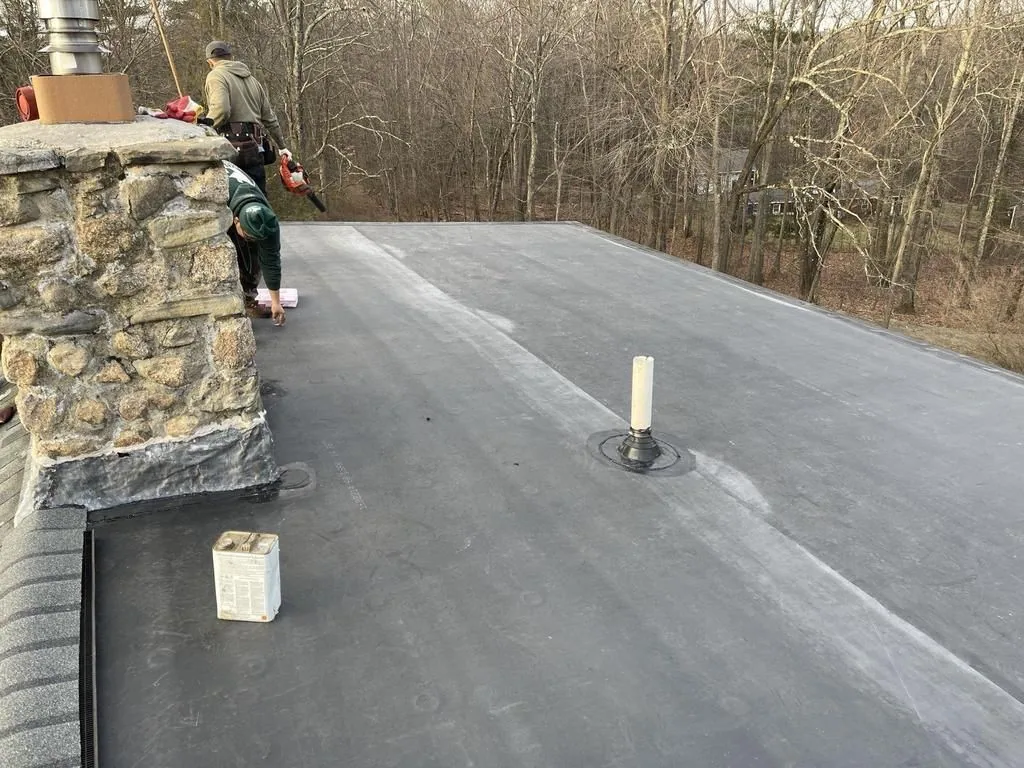
Request a snow and ice roof review
Provide the property, affected area, leak timing, roof-access status, snow-removal activity, and contact who can authorize entry. We will confirm the safe dispatch window.
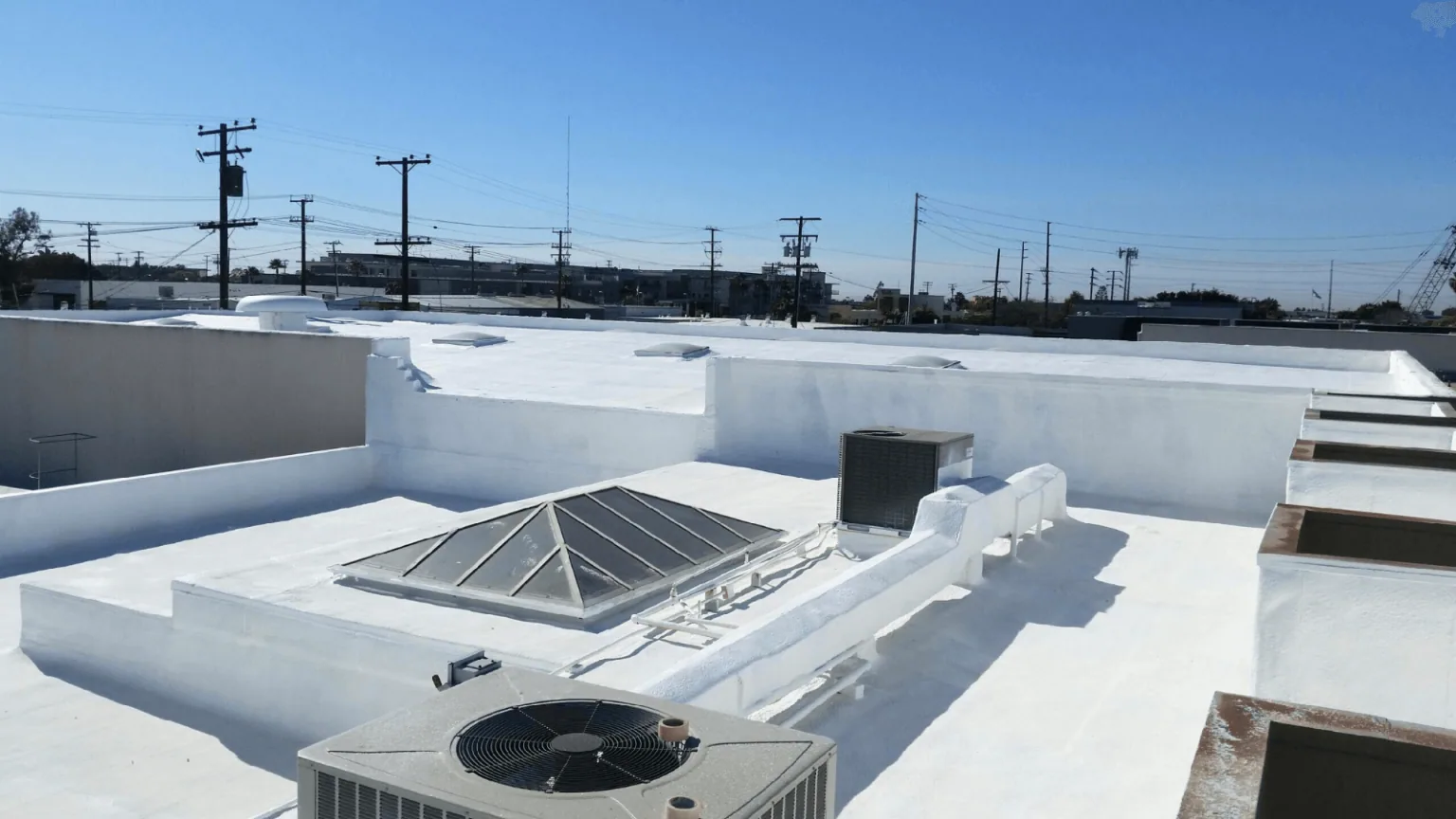
Commercial Snow and Ice Roof Damage Repair
Snow and ice change both the roof condition and the entry plan. We confirm whether the surface can be reached safely, where water appeared, and what area remains occupied. Then we check drainage paths, edges, penetrations, and visible distress without disturbing an unsafe snow cover. The report identifies what was inspected, what remains hidden, and whether a weather hold is required.
Elgin winters average 29 inches of snow. Freezing conditions occur on 137.9 days each year, so current roof access comes first. Freeze-thaw can affect water movement and repair timing, but those averages do not establish a specific roof’s load or damage. A property in Burnidge Big Timber Industrial Park or Northwest Corporate Park receives an address-specific inspection.
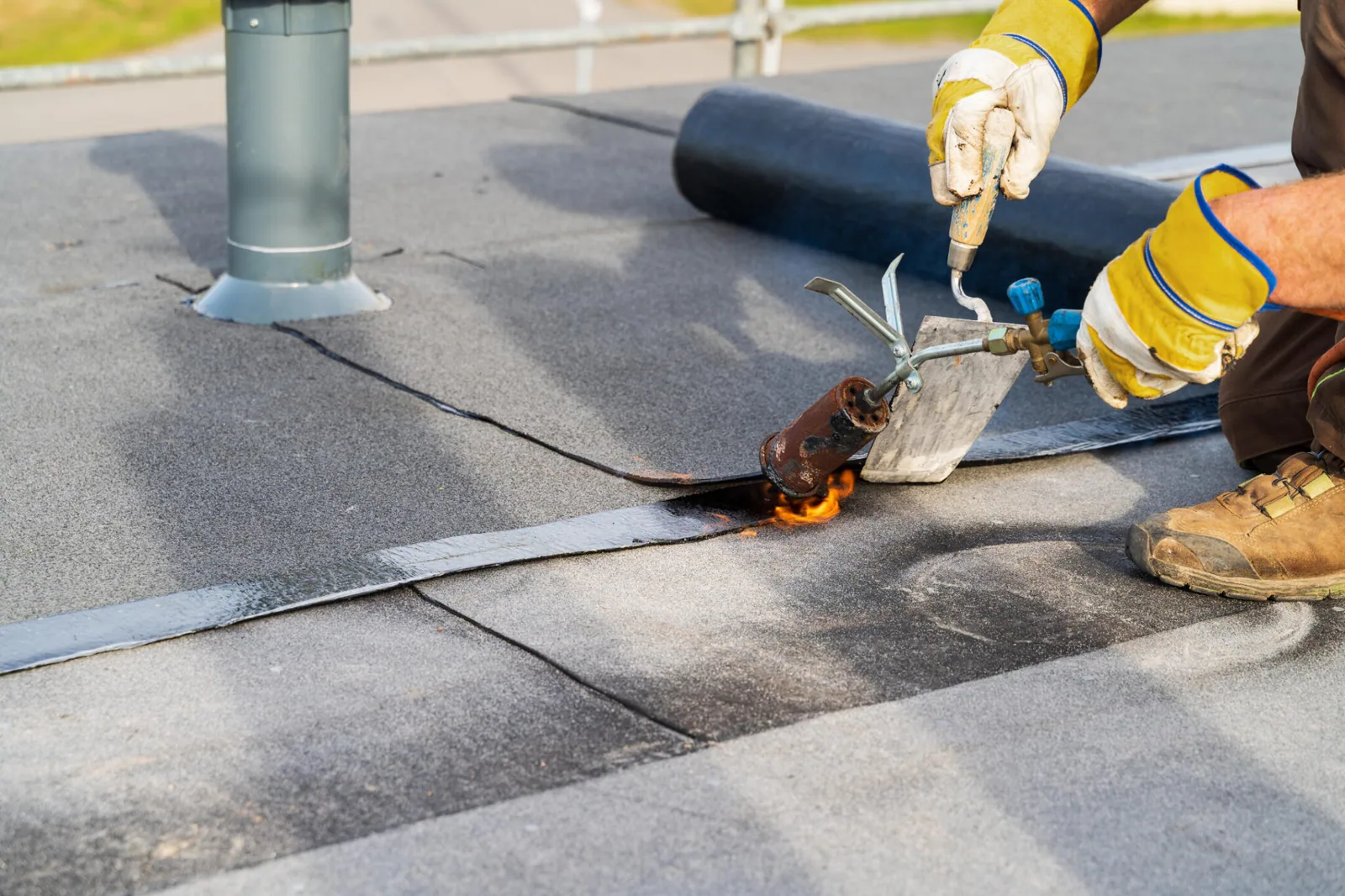
Safe access: decide whether the roof can be entered
Before roof entry, the site contact confirms ladder or hatch access, fall protection, roof condition, and any known structural restriction. Snow can hide drains, skylights, changes in level, and damaged membrane. Ice at an edge can create a slip hazard even where the center looks clear. If conditions are unsafe, we do not walk the roof. The service update records the limitation and the condition needed for a return.
Interior staff identify active leaks, ceiling changes, equipment, and areas where water or falling material presents a concern. They should keep people clear of visibly compromised ceilings. The roofing inspection stays separate from a structural assessment. If snow accumulation or a deflection concern is reported, the owner’s qualified design professional determines any load limit or structural action.
Photos from accessible ground locations can help with dispatch but do not replace close roof inspection. We document the roof areas reached, visible drainage paths, and any temporary control installed. A roof inspection can be scheduled once access is safe. Elgin’s weather history supports planning a return window, while current surface conditions decide the day.
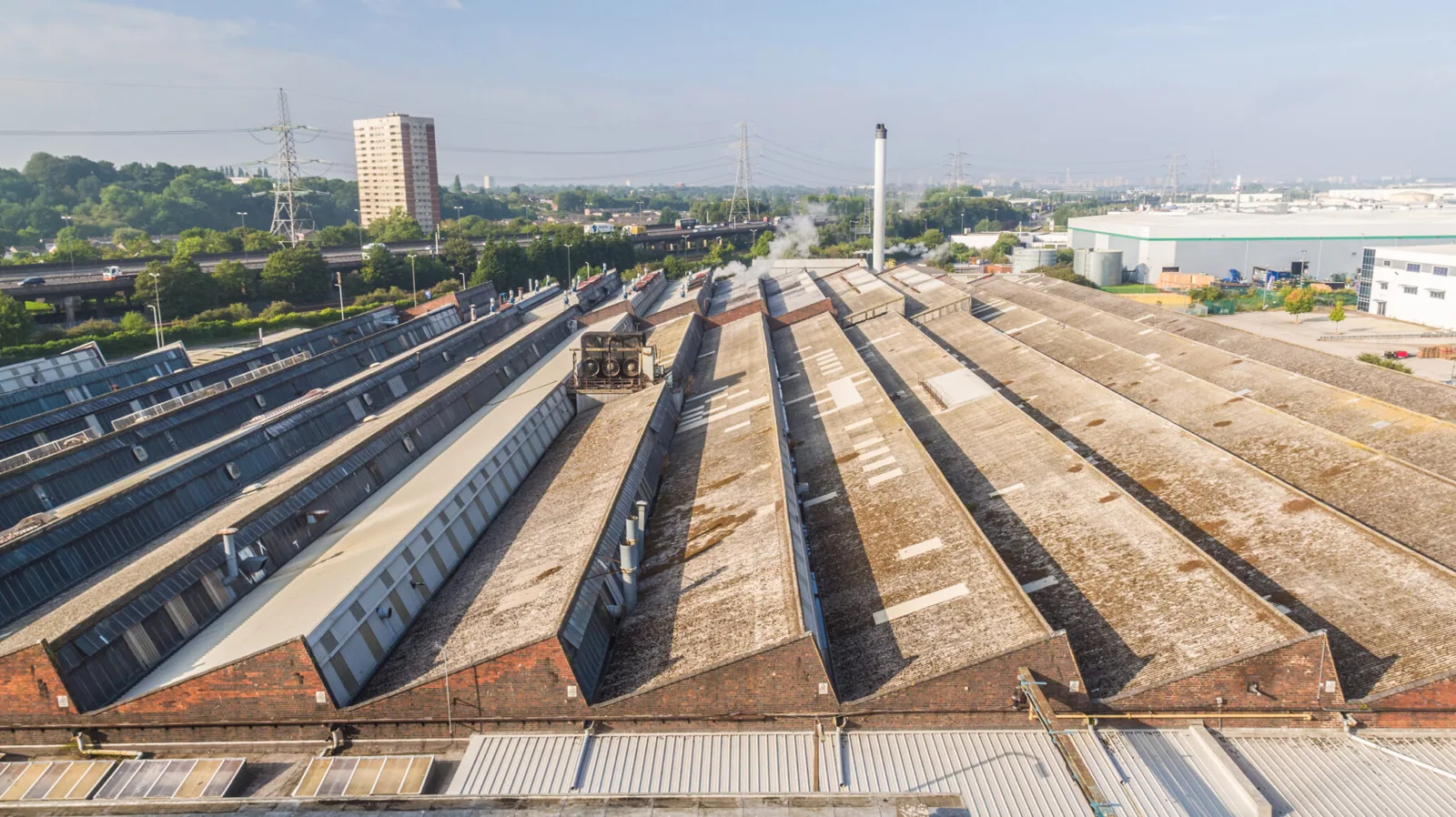
Meltwater path: follow drainage after thaw
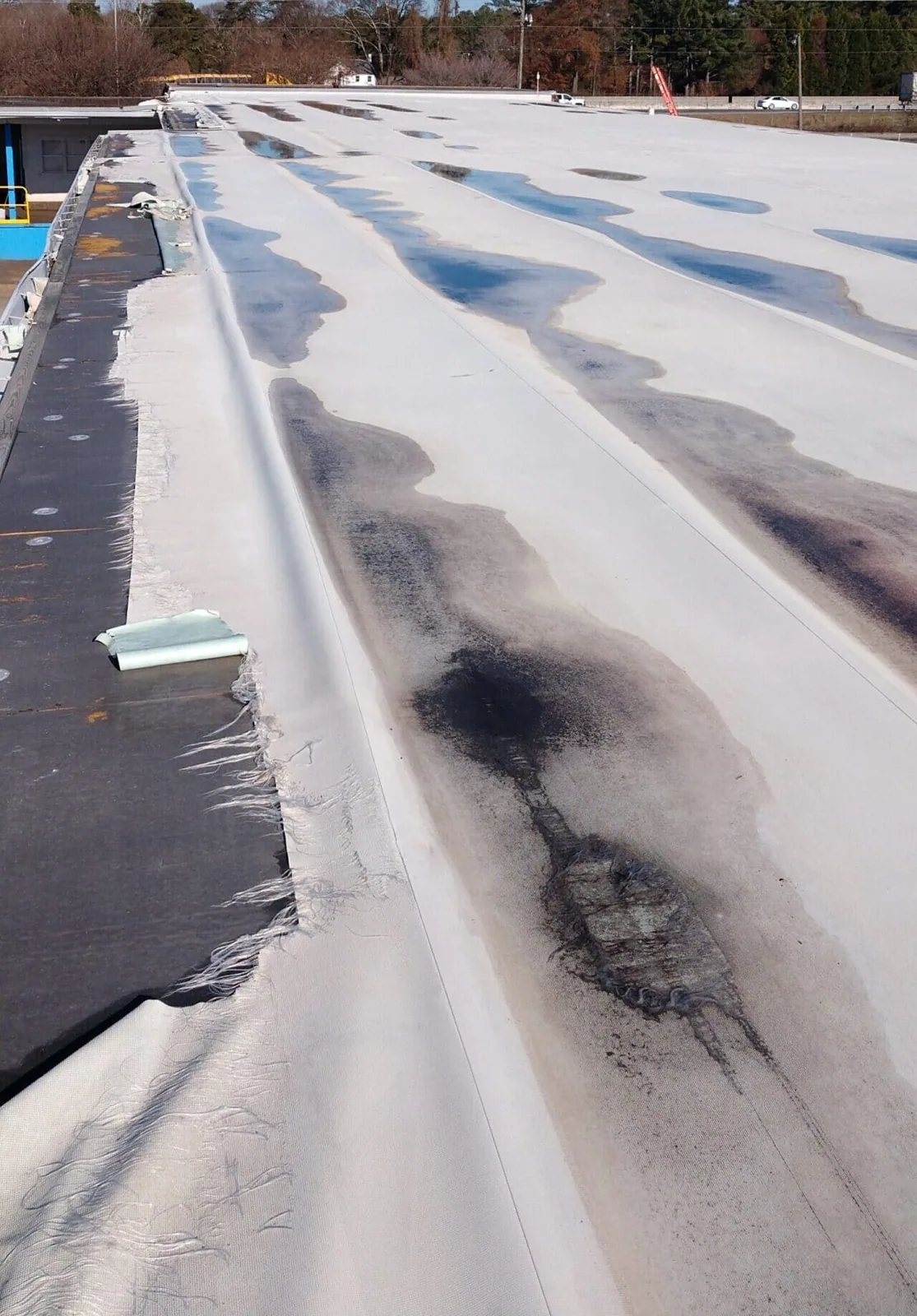
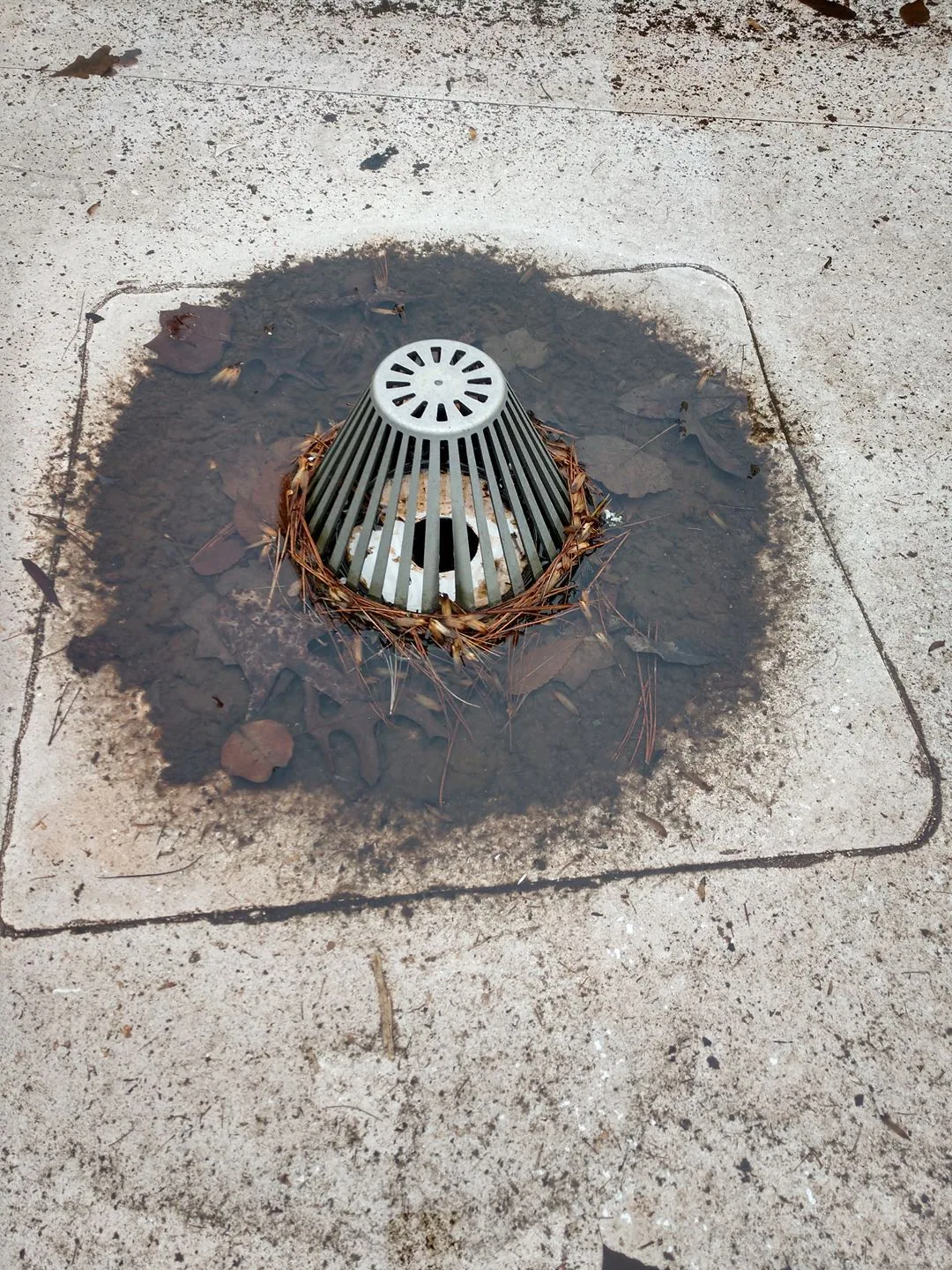
As snow melts, water moves toward drains, scuppers, valleys, and roof edges. A frozen outlet can slow that path, while a clear outlet may still sit below a low area. We inspect the visible route after safe access returns and note where water marks, debris, or ice remain. A ponding-water check can document a persistent low spot separately from an ice blockage.
At parapets and curbs, meltwater can meet flashing, sealant, or termination details. We inspect for separation, open laps, or material displaced by ice. Do not chip ice against a membrane or metal panel. That can damage the surface and create a new opening. A flashing review may be needed if the transition shows a defect after thaw.
Snow can cover a prior patch or seam and delay confirmation of its condition. We compare the area with roof plans, maintenance records, or earlier photos when available. A record from before the storm helps locate the section, but current field evidence controls the repair decision. We name any area that remains covered or inaccessible rather than implying it was cleared or inspected.
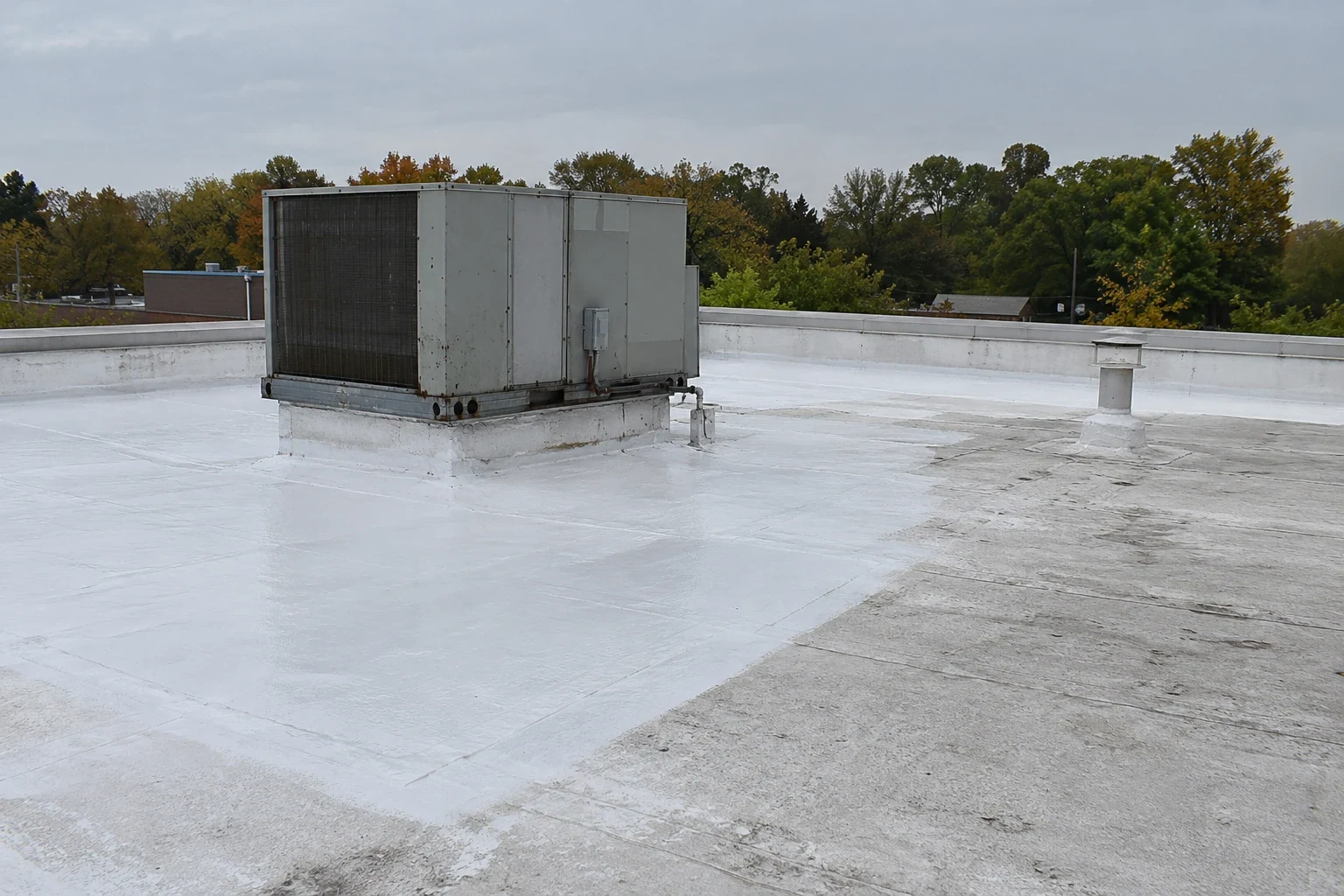
Water control: protect occupied space first
If water is active, the manager identifies the room, equipment, inventory, and safe route below. We check whether a roof-side measure can be installed without entering an unsafe area or blocking drainage. The work order names the protected zone, temporary method, monitoring contact, and what remains exposed. Interior drying, electrical work, and ceiling removal stay with the owner’s assigned trades.
Elgin’s 29-inch snowfall average gives seasonal context, not a forecast for a particular visit. We check actual temperature, surface moisture, and access before preparing any permanent patch. A wet or frozen substrate may not accept the specified repair. The dispatcher records a weather hold, explains the safe interim step, and gives the site contact the next update.
A temporary cover can itself collect snow or redirect meltwater if placed poorly. Its edges, tie-downs, and drainage path must be considered before installation. We do not place weight on a section whose stability is uncertain. If a cover cannot be installed safely, the report says why and identifies what the owner can protect from inside until the roof is released.
Repair options: distinguish ice effects from roof failure
Permanent repair follows the installed system and confirmed damage. A membrane seam may need a compatible weld or splice. A drain detail may require new flashing or a clamping-ring repair. Metal panels may need a fastener or trim correction. The repair boundary should extend to sound material and account for the thawed drainage path, not just the ice mark that was visible during winter.
The proposal lists roof section, material, preparation, access method, temporary protection, and any follow-up test. If melt reveals wet insulation or a damaged deck, the crew photographs the condition and stops at the approved limit. The owner receives the added scope and decides whether removal continues. A seam inspection can be included when the thaw exposes a split that needs its own measurement.
Recurring ice at the same outlet may justify a broader drainage review, but it does not prove a design defect by itself. We check maintenance history, overflow path, and roof slope where visible. Coating or replacement is considered only when surface condition, attachment, layers, moisture, and deck support that option. A maintenance program can schedule a post-thaw check of drains, edges, and known repair zones.
Dispatch window: align access with site activity
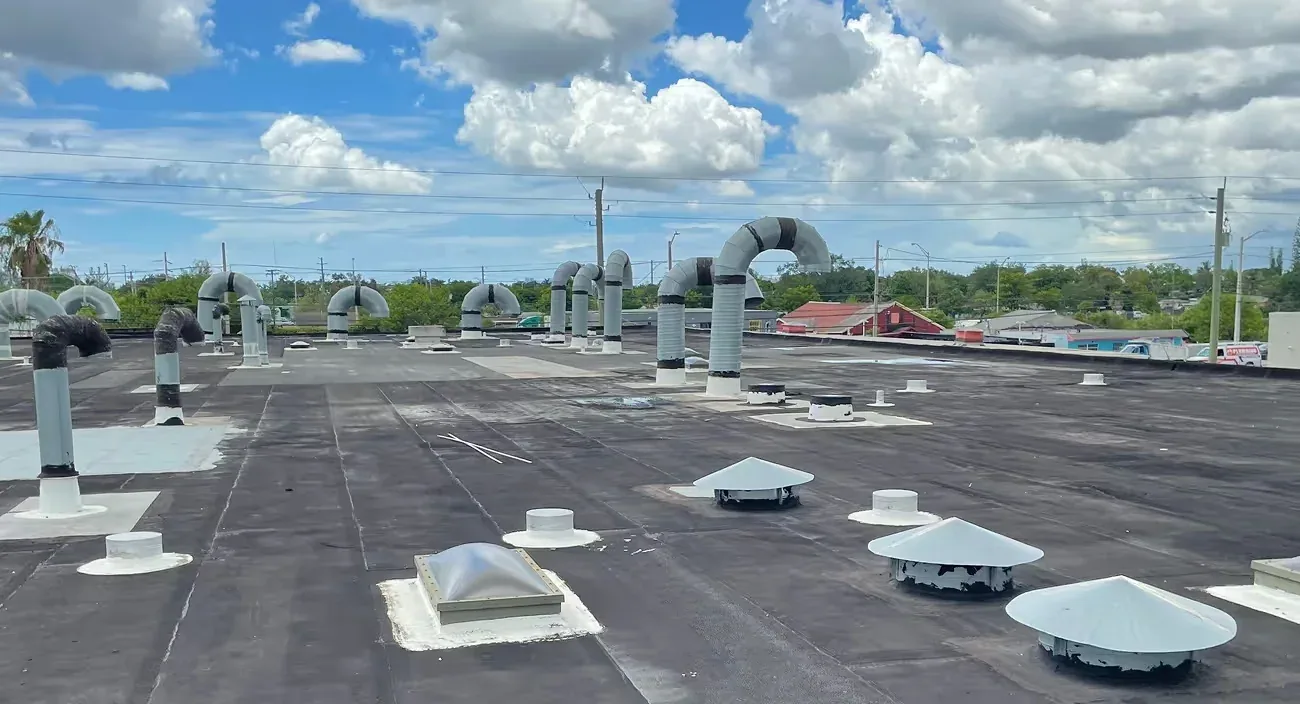
We coordinate roof entry with property hours, tenant notices, equipment operation, and delivery activity. The contact identifies the approved access point and whether an escort is needed. If the roof requires a lift, the owner confirms placement and ground conditions. The crew also confirms how to keep pedestrians away from areas below an edge or ladder.
Elgin’s industrial and business areas are near I-90, U.S. Route 20, Randall Road, and Big Timber Road. The route helps with dispatch but does not identify a safe staging area. A Elgin Industrial Park property and a downtown commercial building can have different loading rules. The site contact gives current gate, parking, and roof-access directions.
Snow removal, roof access, and repair should not be combined without a defined scope. If a third party handles snow, the owner confirms that work has ended and the roof is released before inspection. We document the work area and any remaining snow or ice. The next update states whether the crew inspected, protected, or repaired the reported zone.
Closeout: record what thaw exposed
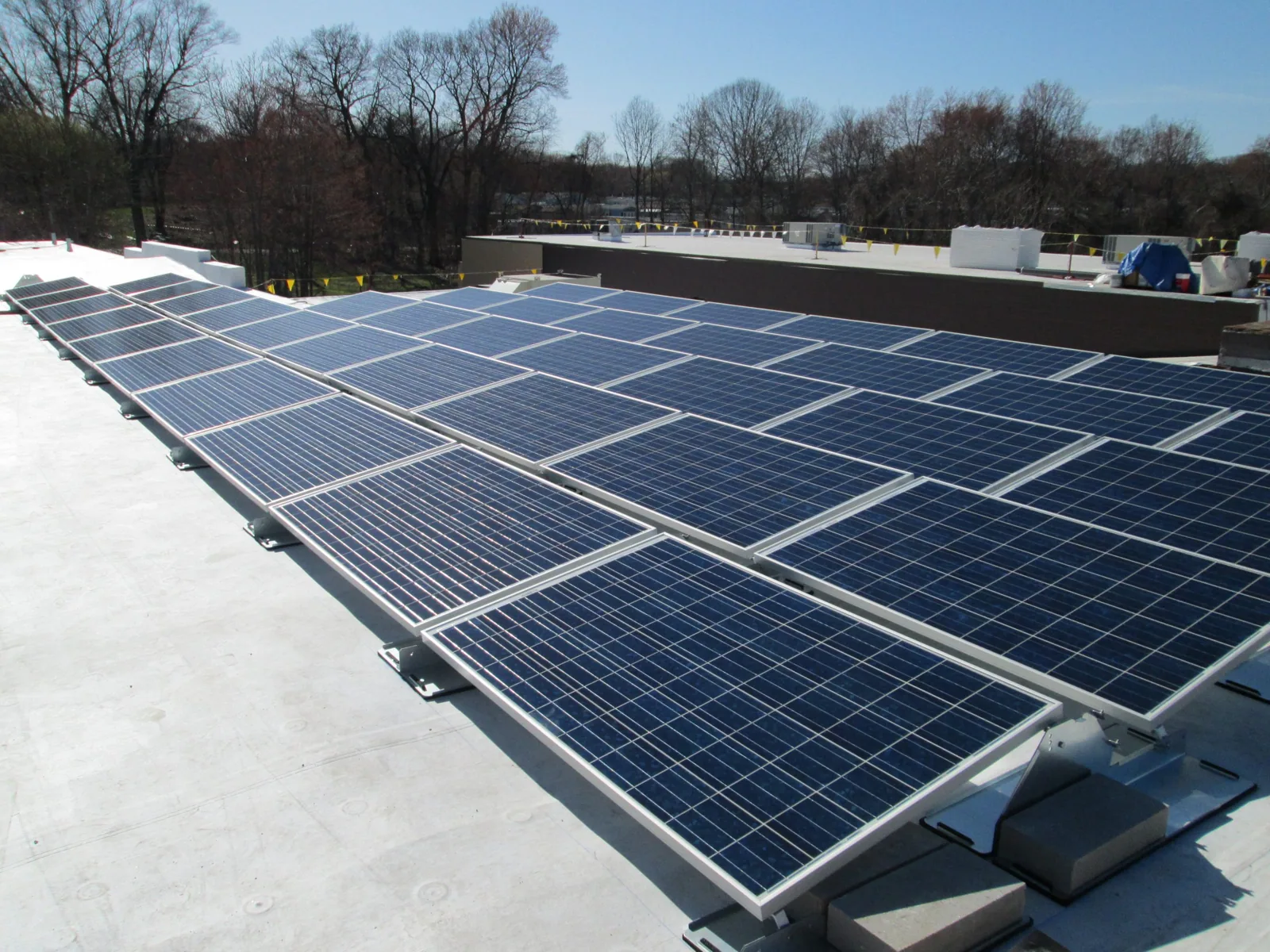
Closeout identifies roof sections reached, drains checked, visible ice-related conditions, completed repair, and areas still concealed. Photos show the relevant detail and its location. If another observation is needed after snow clears or temperatures rise, the report names the return condition. A condition report can keep those observations with the building’s maintenance records.
Send the building, reported leak or ice location, current access status, interior impact, snow-removal activity, and site contact when requesting service. We will confirm the first safe inspection and whether temporary water control or permanent repair can proceed.
Questions About Commercial Snow and Ice Roof Damage Repair
Can you inspect a roof while snow still covers it?
Only accessible areas can be reviewed safely. Snow can hide details and edges, so the report identifies what remains covered and sets a return condition.
Does ice at a drain mean the roof is damaged?
It shows a condition that needs context. We inspect the outlet, overflow path, nearby membrane, and roof slope after safe access returns, then document any confirmed defect.
Can you remove snow before repairing the roof?
Snow removal is a separate task with safety and load considerations. The owner confirms who is authorized to perform it and releases the area before roofing inspection or repair.
Why might a permanent patch wait until after thaw?
The surface must be safe, clean, and suitable for the specified bond or weld. A temporary measure may be considered while a weather hold remains in place.
What if water appears only during snowmelt?
Record the room, timing, weather, and active status. We inspect drainage, edges, seams, and penetrations when conditions allow, then separate a confirmed repair from further testing.