Big-Box Retail Commercial Roofing in Elgin, IL
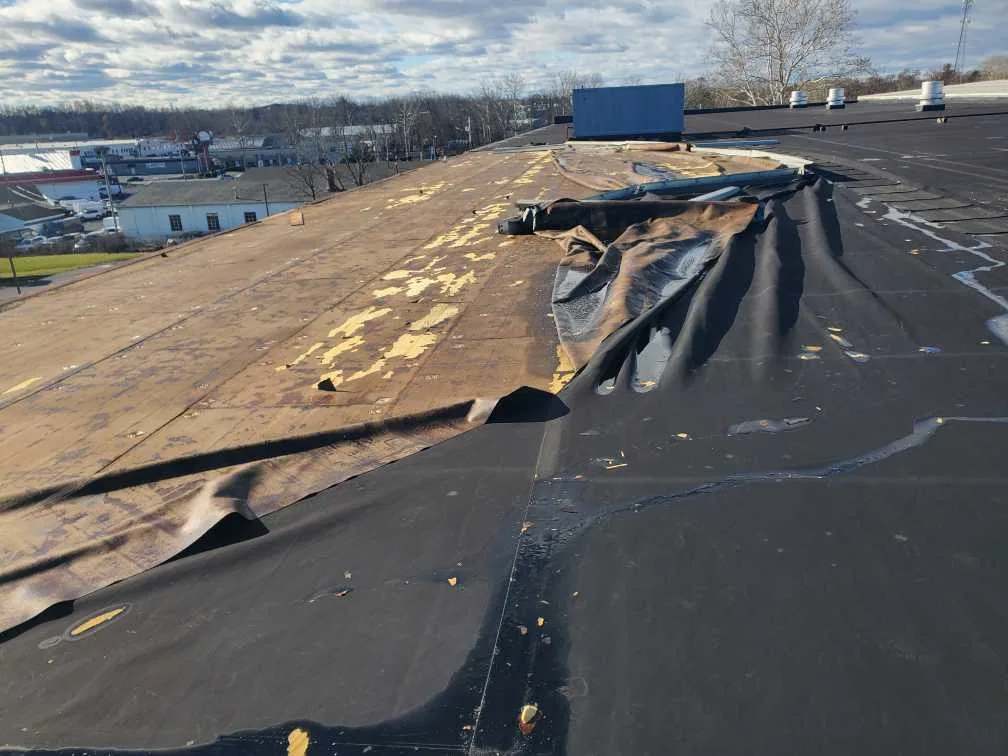
Coordinate a big-box roof review
Share store hours, dock schedule, roof plans, equipment list, leak reports, and site controls. We will confirm an inspection and staging window.
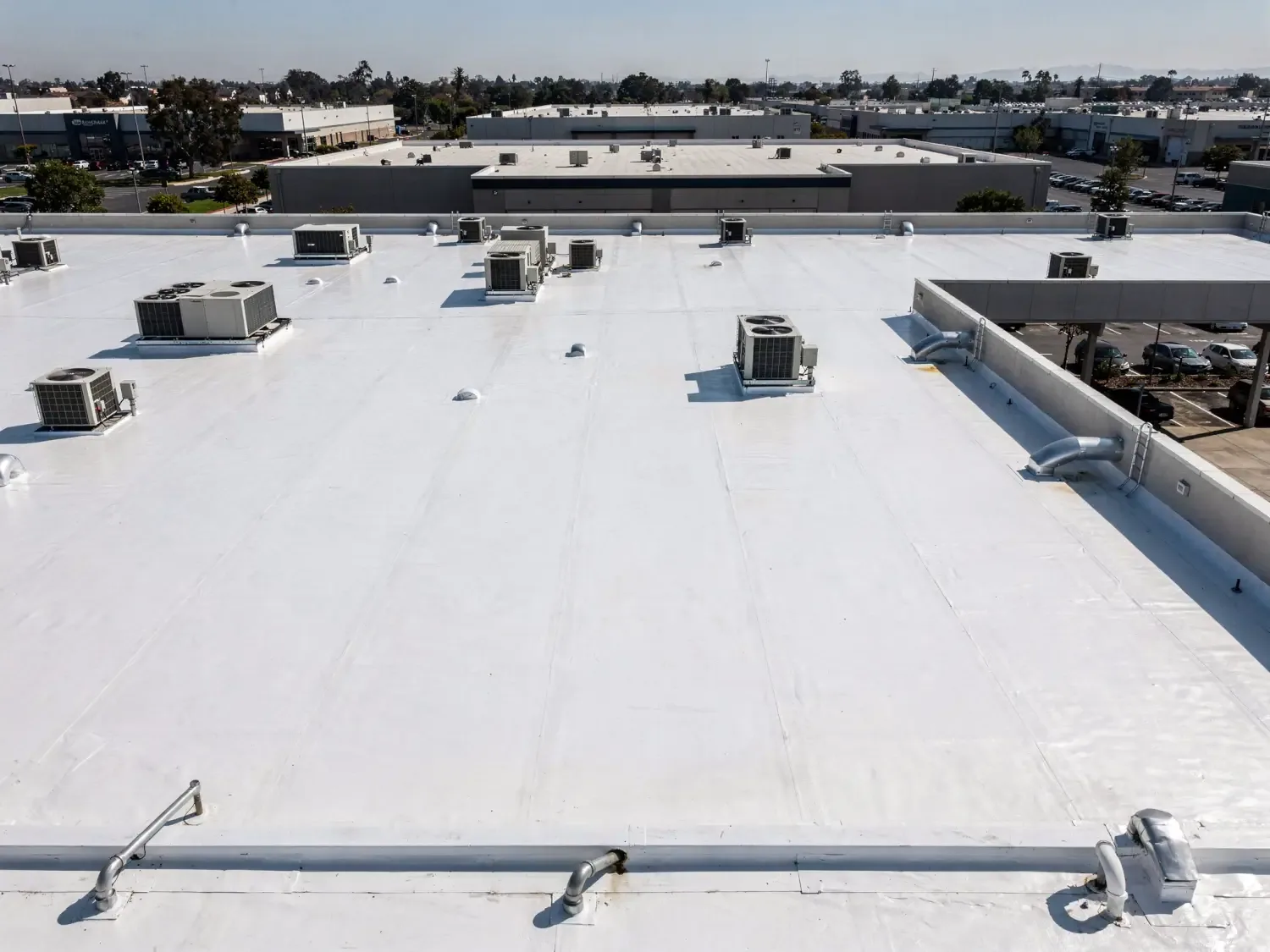
Big-Box Retail Commercial Roofing
A big-box roof work plan must protect sales, receiving, and customer access. We verify the affected roof zone, store schedule, dock operations, rooftop equipment, and authorized contact before staging. Elgin’s retail corridors connect to regional roads and commercial areas, but each store has its own roof layout. The inspection identifies observed defects, testing needs, and a practical work boundary without assuming every department sits under one roof section.
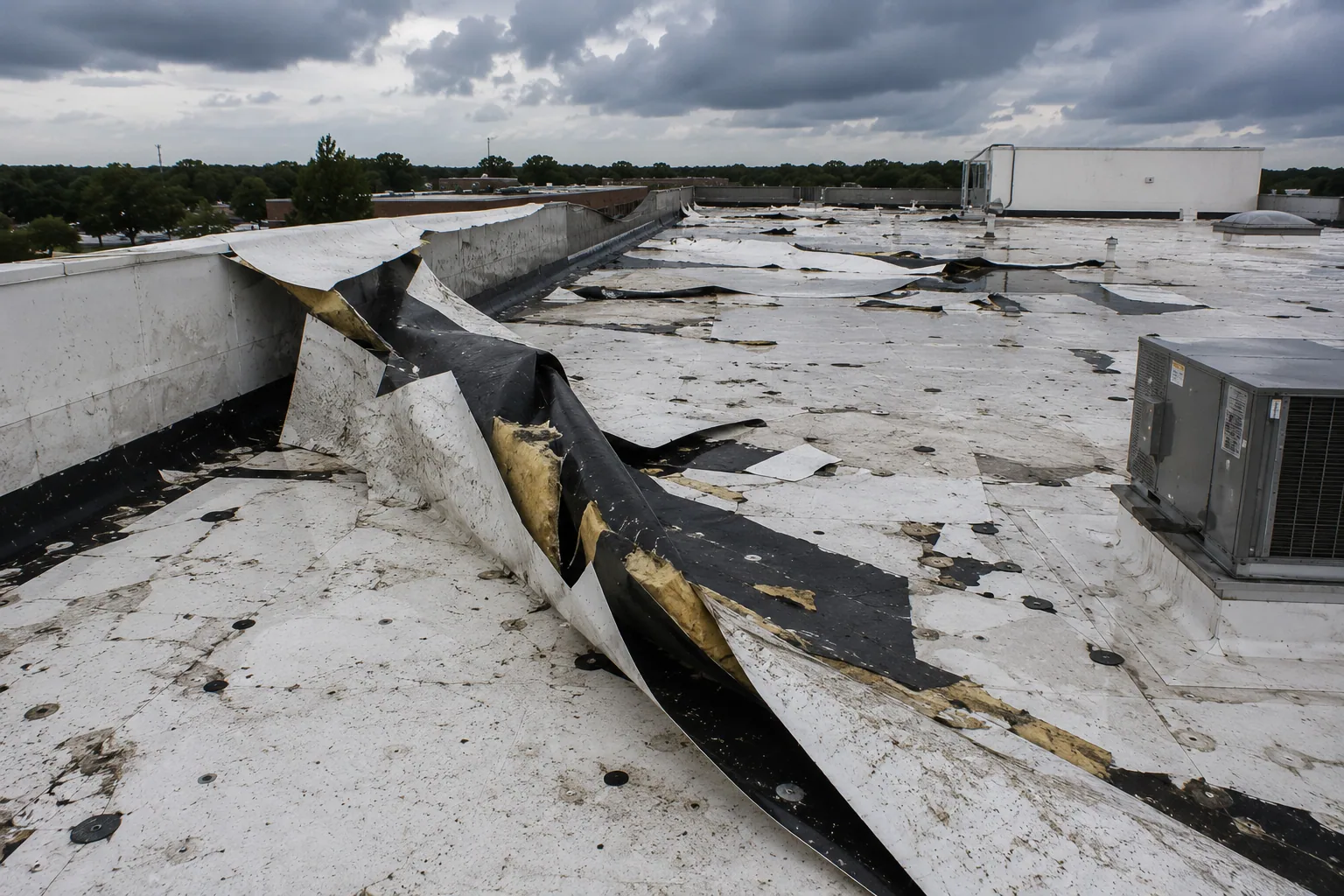
Store operations: coordinate sales floor and receiving
The store manager identifies sales hours, inventory deliveries, floor resets, overnight stocking, and peak customer periods. We confirm where trucks can unload roofing material and which dock doors must remain available. If a lift or crane will use the lot, the property contact approves its location, traffic controls, and customer route. Rooftop work should not block a fire lane or store entrance.
Elgin’s commercial areas include Randall Road, State Street, and business parks near major employment centers. At Randall Crossing Business Park or Northwest Business Park, the site contact confirms store access and material staging. Area context does not tell us the store’s receiving hours or sign restrictions.
If a manager reports water over inventory, record aisle, department, date, active drip, and product-protection steps. A leak investigation traces the roof path and documents whether the entry is near a drain, seam, curb, or perimeter.
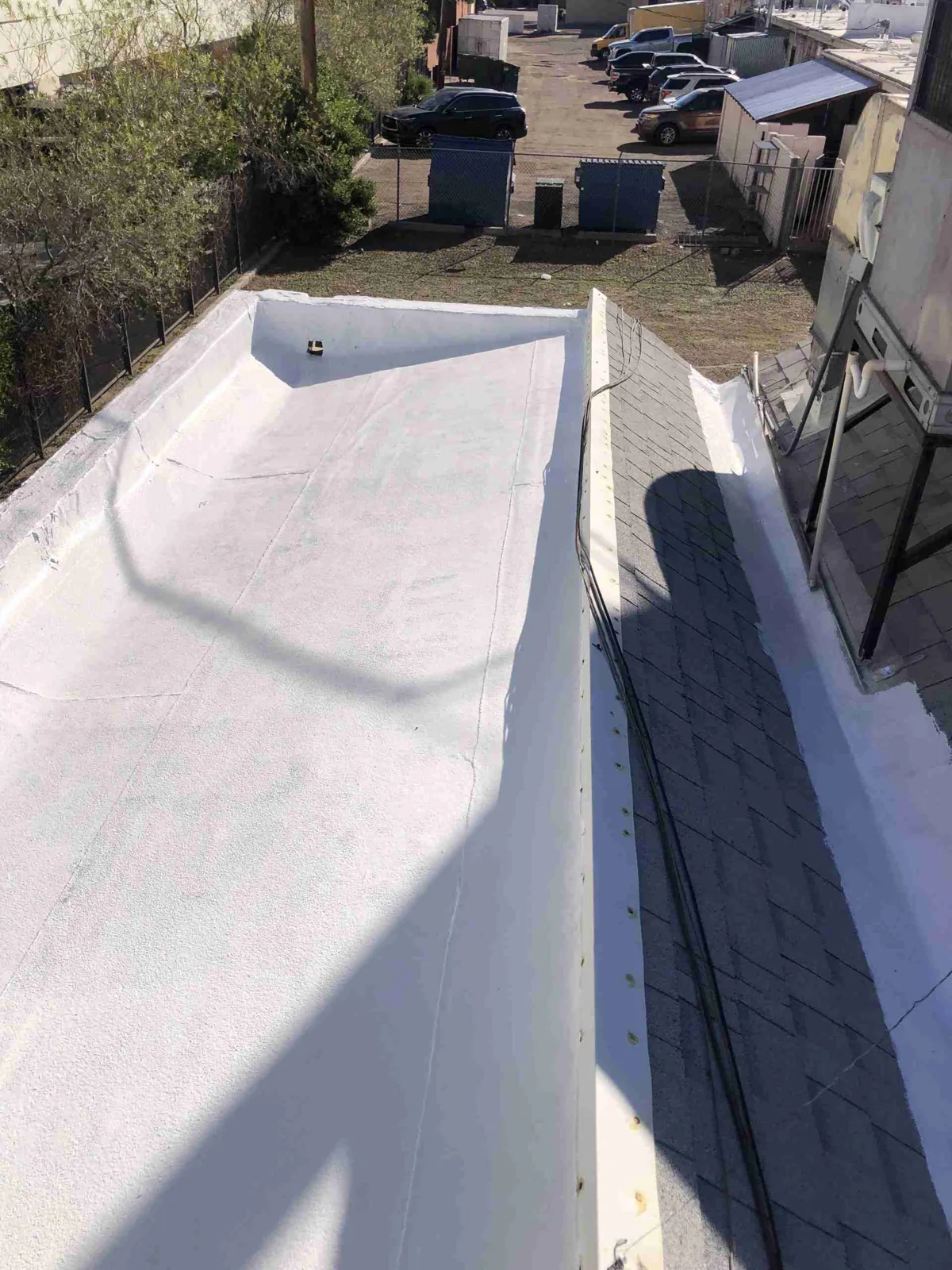
Roof review: map equipment and large-area details
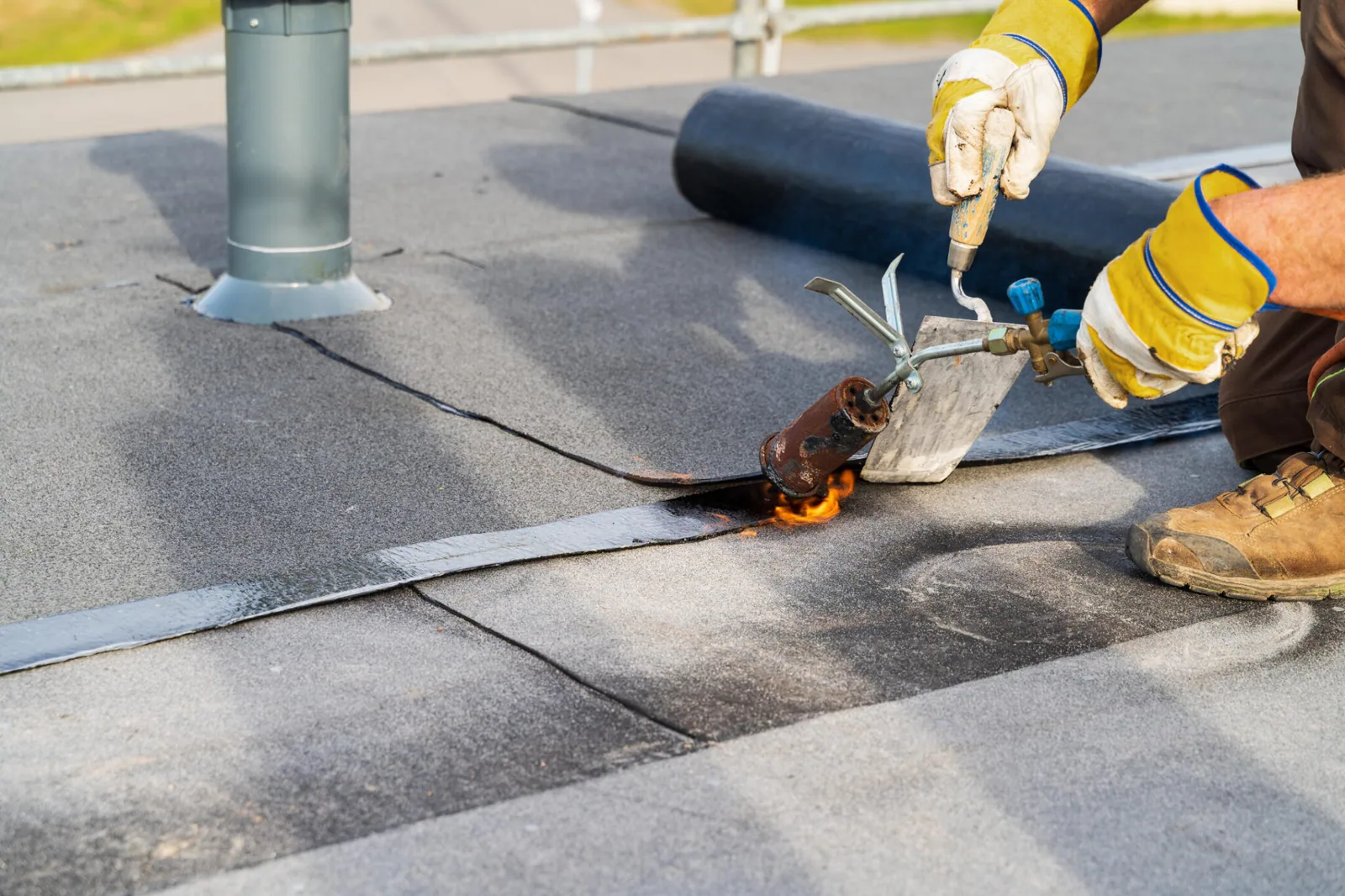
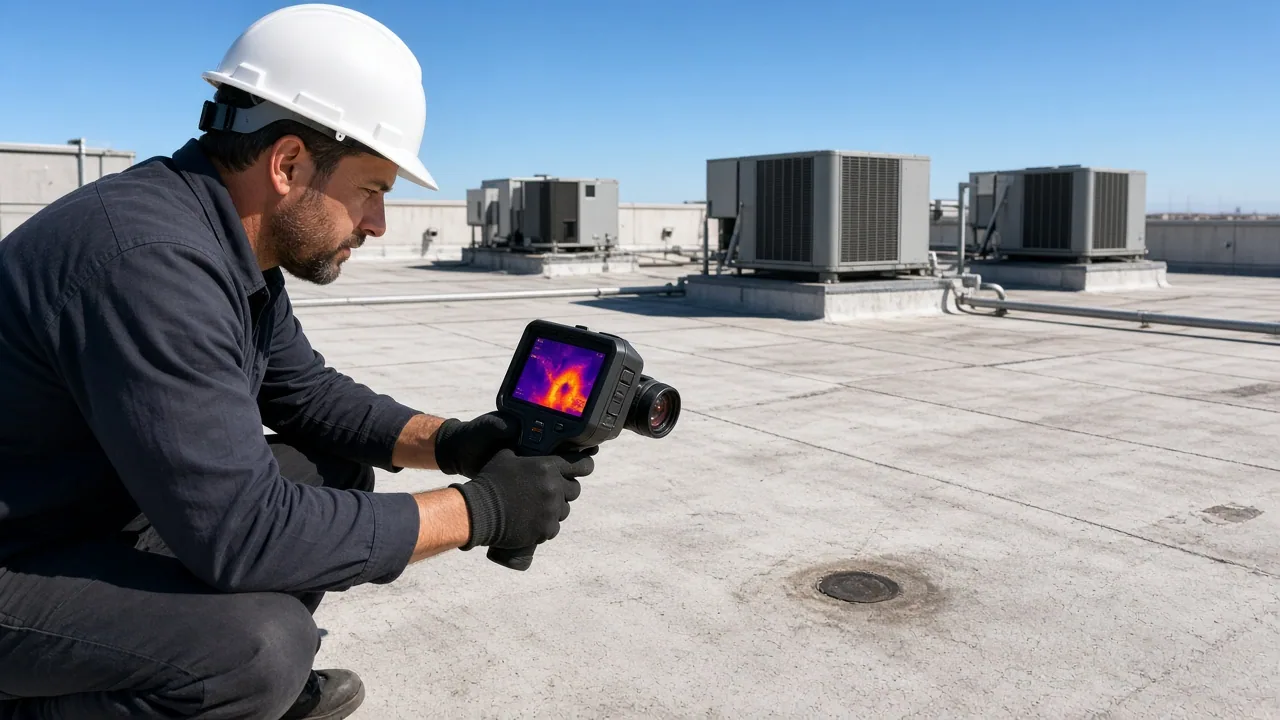
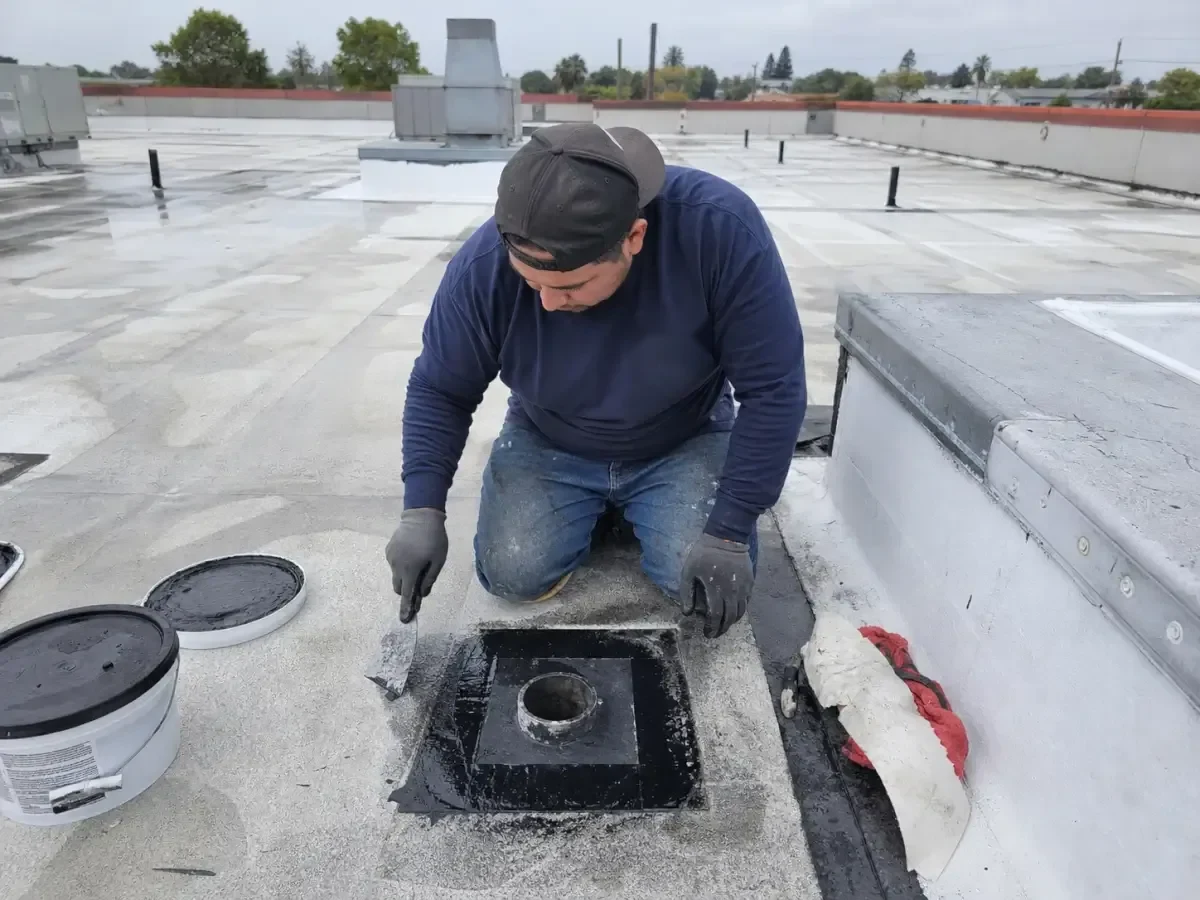
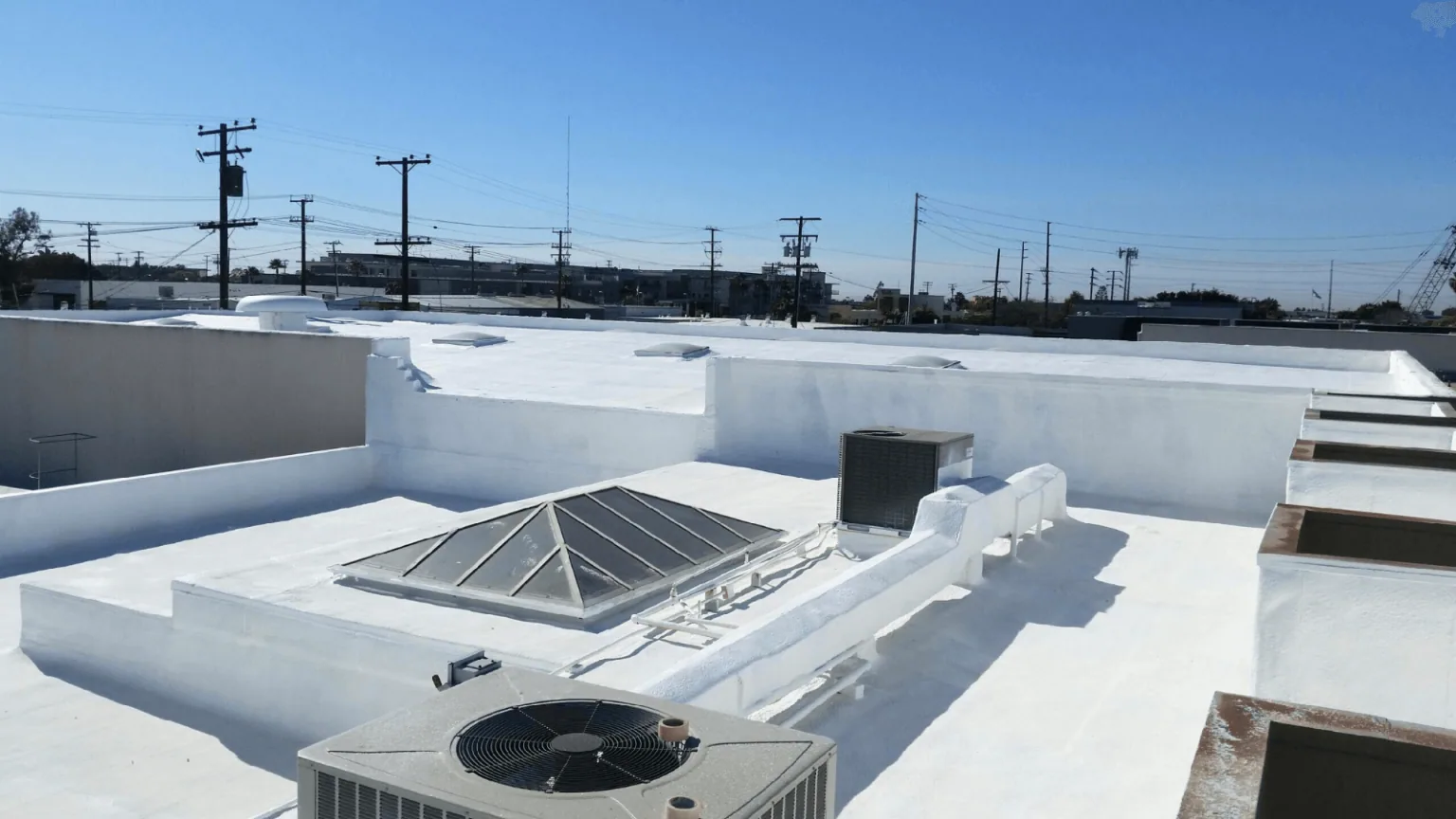
We review drawings, roof repair records, HVAC schedules, warranty information, and previous test results. The field check covers seams, drains, skylights, penetrations, expansion joints, edge metal, and any area where water may remain. A large roof can include additions or phased repairs. We mark each zone and avoid treating an observation from one section as a statement about the entire store. A roof map can note stockroom, sales floor, receiving, and office areas below when facility drawings identify them. This helps the manager route interior notices and compare a later leak report with completed repair work.
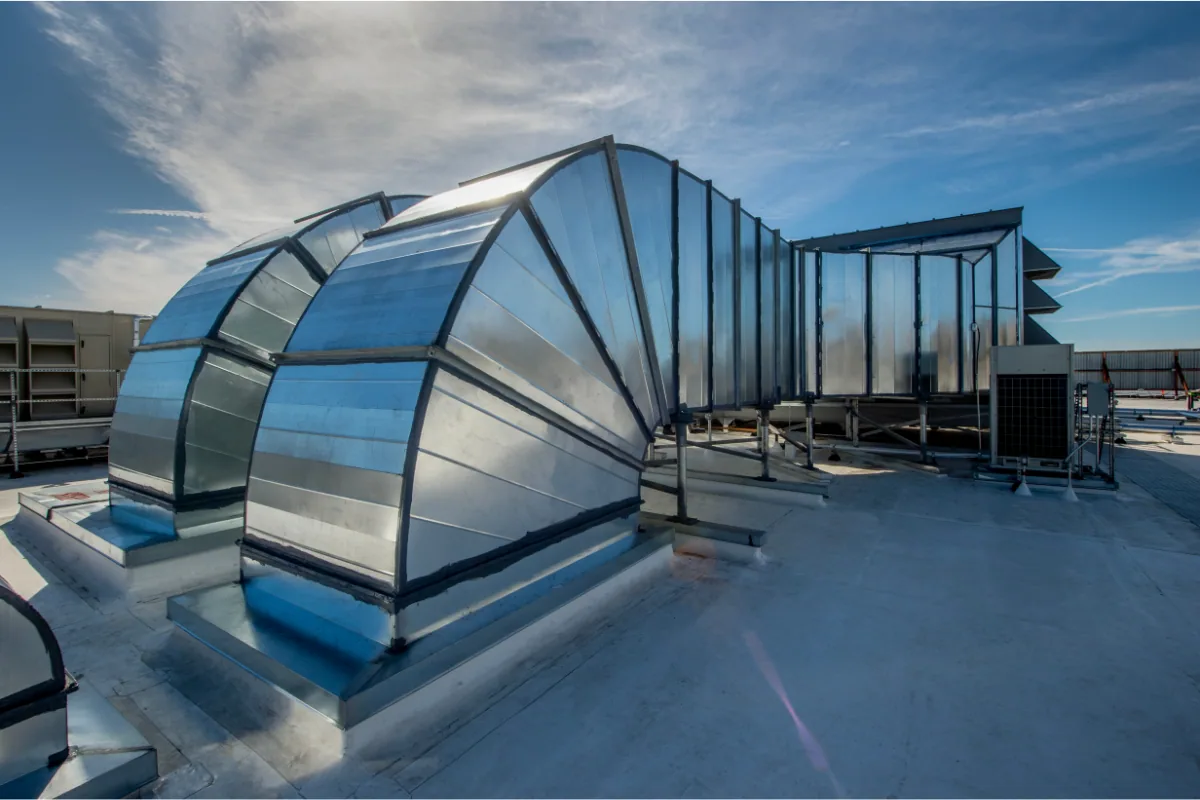
Rooftop units may serve separate departments or operate on different schedules. The facility team identifies unit owners and any authorized shutdown. We do not disconnect equipment. A curb and support review can assess the flashing and roof connection while keeping mechanical work separate.
An inspection plan documents areas reached and any test needed before pricing repair or replacement. If a test cut is required, the owner approves the point, interior protection, and restoration method before work.
Water and drainage: protect merchandise and entrances
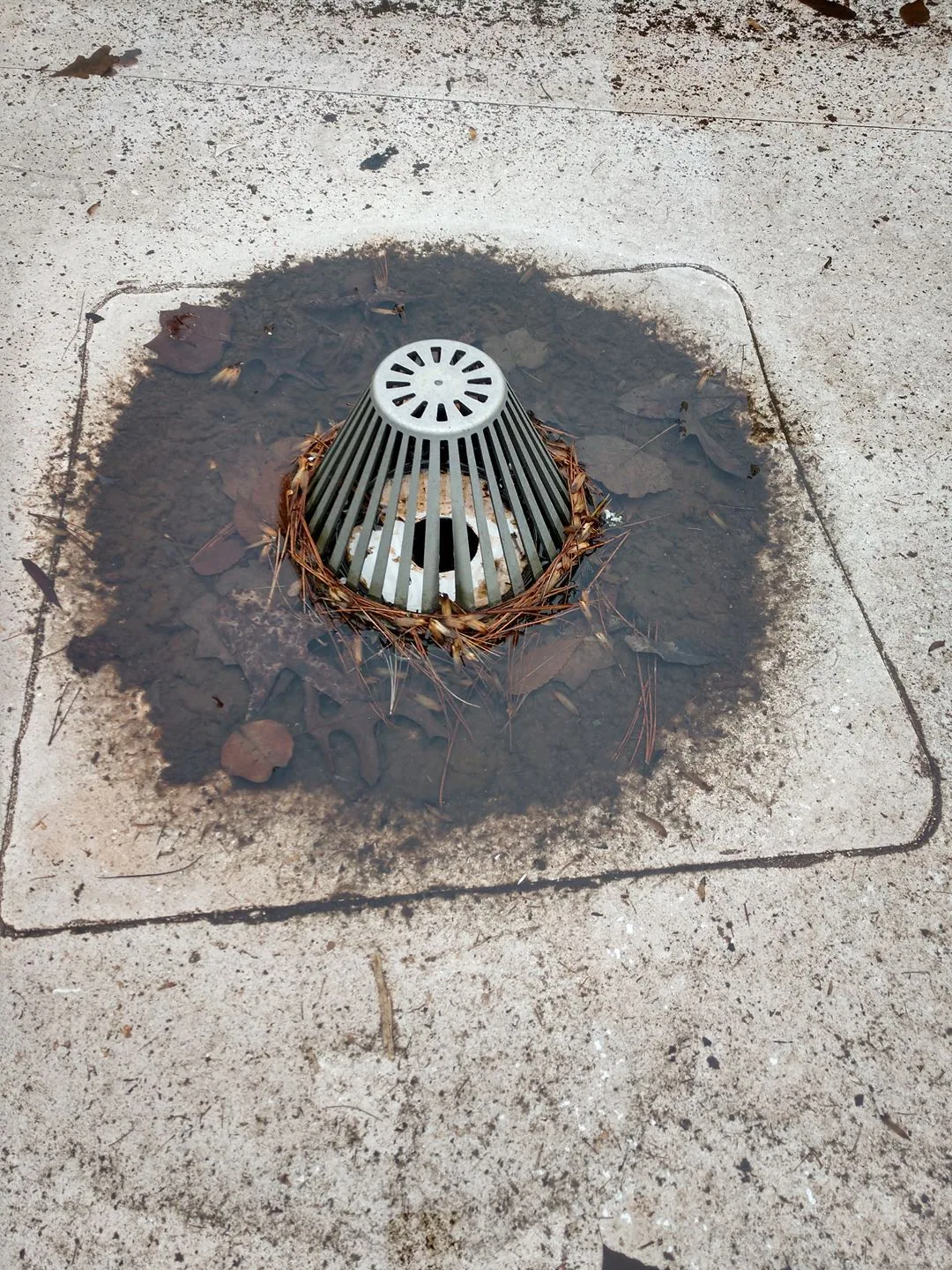
We check drains, scuppers, overflows, low points, and runoff paths. Elgin receives rain throughout the year and about 29 inches of annual snowfall. Meltwater can collect around rooftop equipment or at a lower section. We identify actual water marks and outlet conditions; the climate alone does not establish a roof problem.
Where water reaches a canopy, entrance, or loading apron, the owner confirms public protection and any temporary route. A drainage assessment can inspect bowls, scuppers, and surrounding membrane. If the issue involves grading or underground piping, that work is identified separately from the roofing scope.
Temporary interior protection remains coordinated with store staff. The crew notes which aisle, display, or inventory area may need a cover or barrier. Store personnel control product movement and customer access unless those tasks are specifically included.
Phasing: schedule around sales and stocking
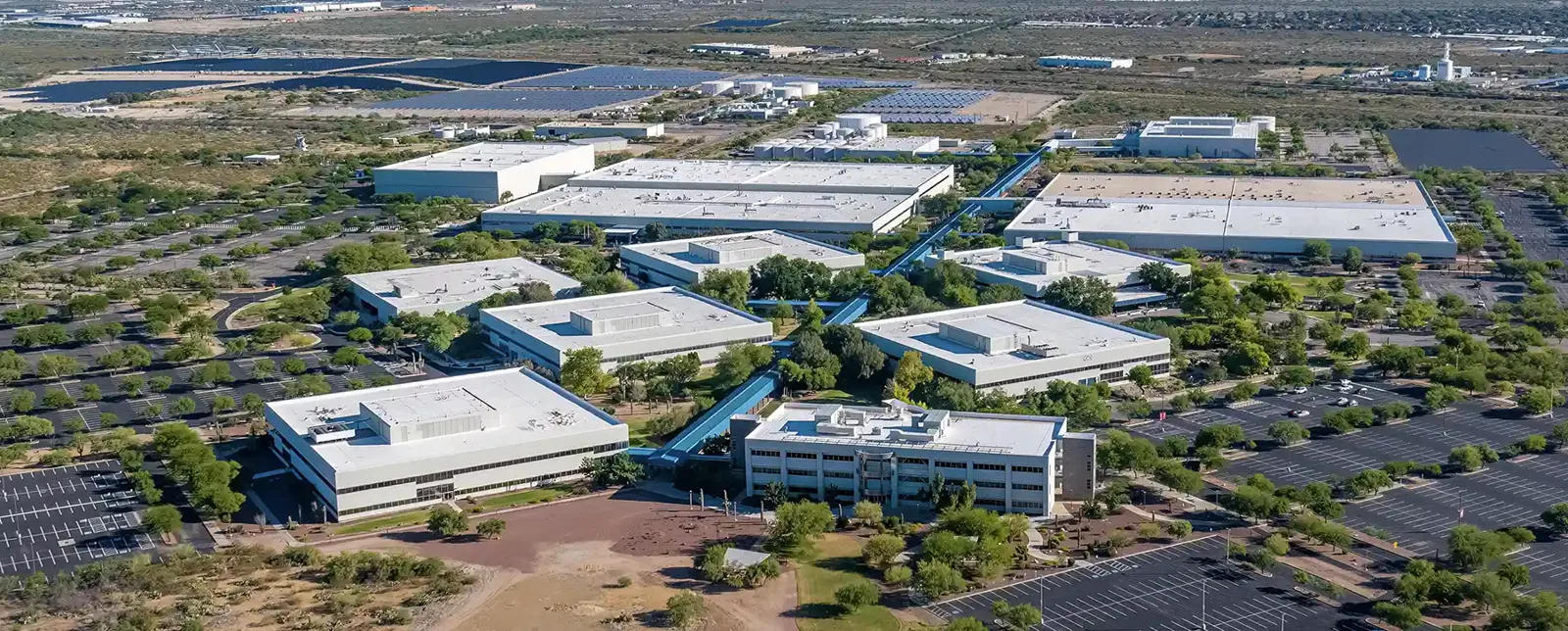
We plan work by roof zone, crew capacity, delivery windows, and weather. The store contact identifies times when noise, odor, or a partial entrance closure would be least disruptive. Before a section opens, the superintendent confirms materials and temporary cover are ready. At shift end, the area is secured and the store receives a status update.
Hidden wet insulation or deck damage can alter the scope. The crew documents the condition and pauses at the approval point before removal expands. The owner receives quantities when measurable, cost effect, and a recommendation. A phased reroof scope can coordinate daily work with overnight stocking or inventory counts.
If a sale event or delivery changes the schedule, the manager identifies a new window. A weather hold lists the secured roof section and expected next update. Store operations remain under the owner’s direction.
System selection: match store use and roof assembly
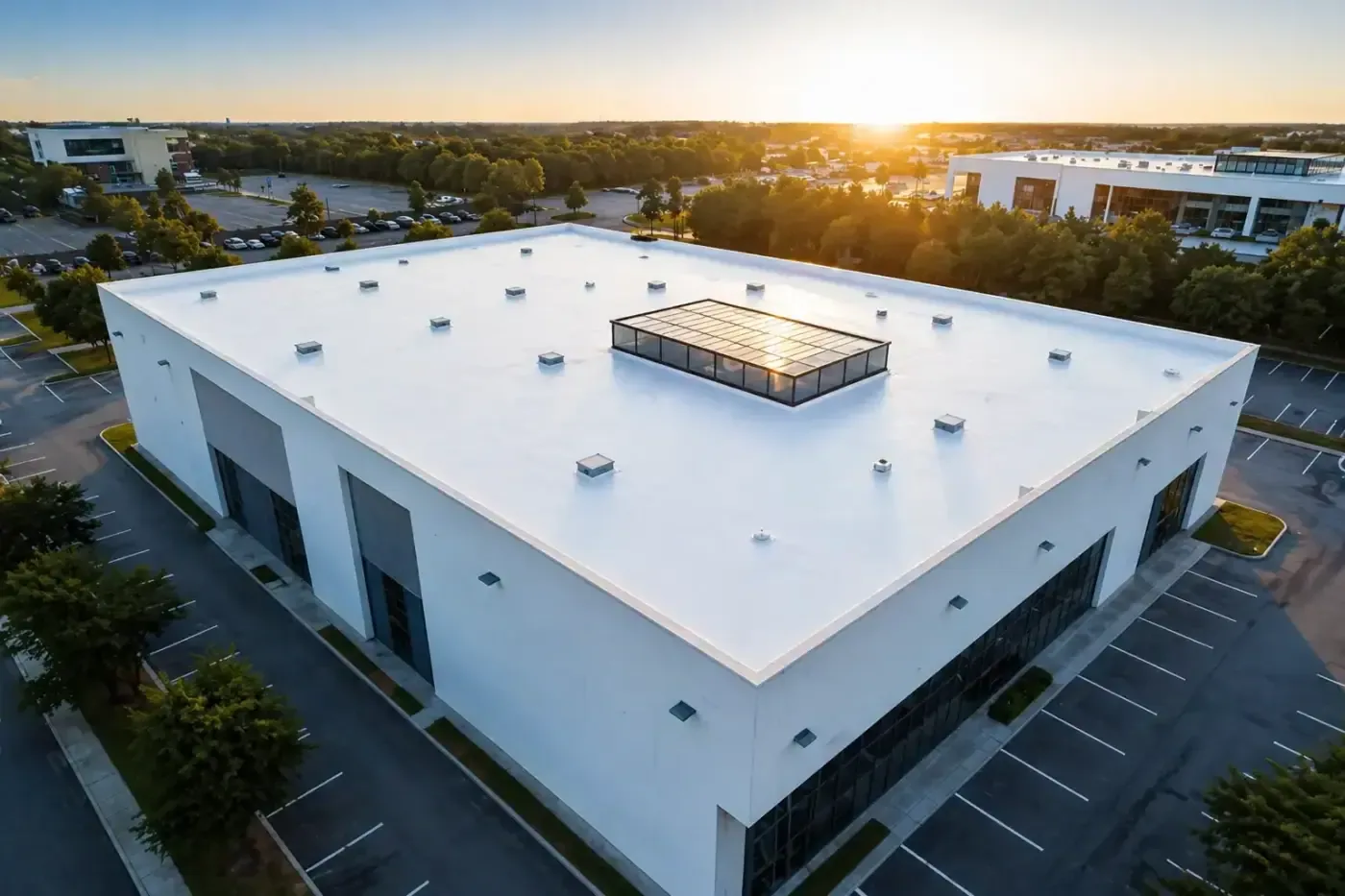
Roof choice depends on current layers, moisture, drainage, equipment, deck, and project requirements. The proposal identifies membrane, insulation, attachment, flashings, and excluded work. A recover plan must preserve access to units and drains. We confirm existing roof material before comparing replacement systems. Sign supports, exhaust fans, skylights, and roof hatches also affect attachment and service access. The manager identifies which rooftop components are part of a signage or vendor contract, so the roofing team can assign a clear handoff instead of moving them without authorization. The manager records that handoff before mobilization.
Big-box retail differs from a multi-tenant shopping center or grocery store. The building may have separate receiving, customer, and equipment zones. A grocery tenant can have refrigeration and food-handling controls; a larger store has its own equipment and schedule. We ask rather than assume.
A capital planning review can line up roof work with equipment replacement, expansion, or parking-lot projects. The owner’s designer evaluates code and energy requirements, while our proposal states the roofing details and closeout records.
Site safety: control lot traffic and rooftop access
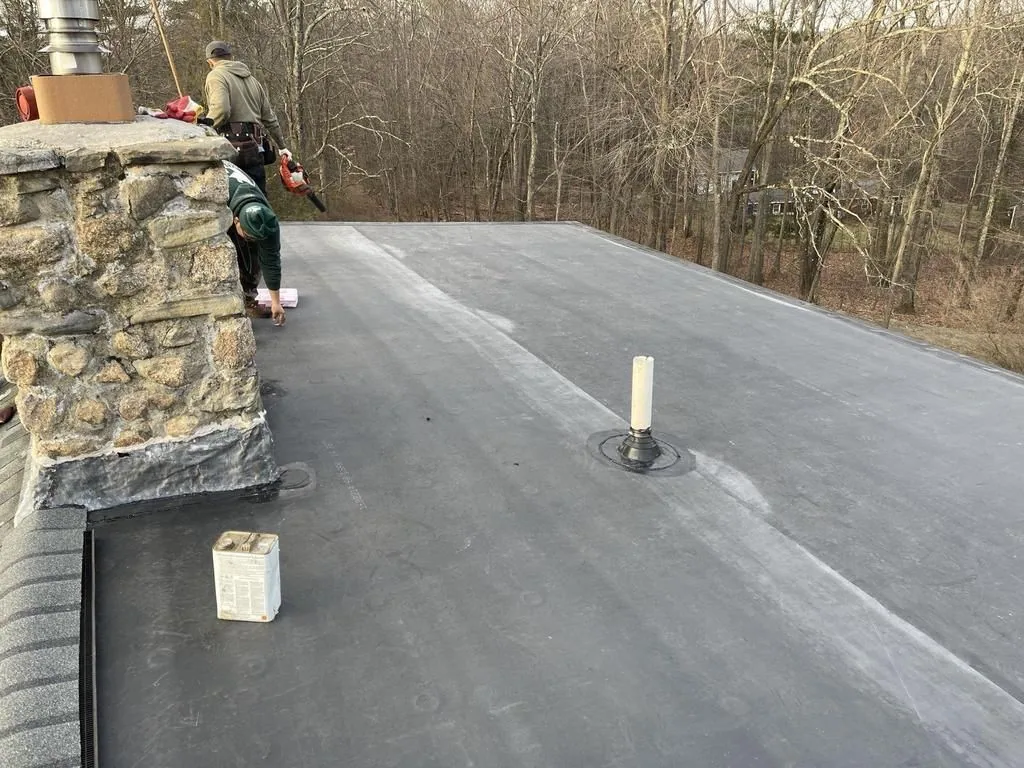
The site plan identifies pedestrian paths, delivery lanes, dumpsters, lift location, roof hatch, and fall-protection requirements. The store confirms where customer traffic may be redirected and what notice is required. We use barriers or spotters when approved and keep emergency access open.
Skylights, smoke vents, and fragile roof panels require marked travel routes. We keep materials clear of drains and equipment service zones. Wind, lightning, rain, and ice can prevent safe entry. The supervisor secures active work and sends the manager a status before leaving the site.
Near Carpentersville Randall Road Corridor, site movement depends on the property’s entrances and shared roads. The contact confirms actual loading and customer traffic controls before a lift or delivery is scheduled.
Closeout: return an inventory-safe roof record
Closeout lists completed zones, photographs, materials where known, open items, and maintenance recommendations. The store contact receives any area that remains excluded or needs a follow-up. Temporary covers and barriers are documented as removed or retained.
Send store hours, loading schedules, roof plans, equipment list, leak locations, access rules, and the manager authorized to approve work. We will set the first inspection boundary and coordinate staging. The record identifies which roof areas received service so future work can protect customer and inventory operations. It also notes the person who received closeout photos and any inspection due before the next major season.
Questions About Big-Box Retail Commercial Roofing
Can a big-box store stay open during roof repairs?
Often, with phased roof zones and an approved plan for entrances, deliveries, customer paths, and interior protection. The store manager confirms operating limits.
Can roofing materials be delivered through the store’s dock?
Only after the facility approves truck route, delivery time, dock availability, and staging. We keep required receiving lanes and fire access clear.
Does a roof leak over one department mean the whole store needs replacement?
No. We inspect the affected zone and separate confirmed findings from other sections. Broader work needs its own evidence and owner approval.
Who moves inventory below the work area?
Store staff controls merchandise and equipment. The roofing crew coordinates timing and protection, unless a separate moving task is expressly included.
What records help price big-box reroofing?
Provide roof plans, addition history, HVAC schedule, sales and delivery hours, leak records, access requirements, and any warranty documents.